etienne-van-den-hombergh
The Netherlands
 NewTOP
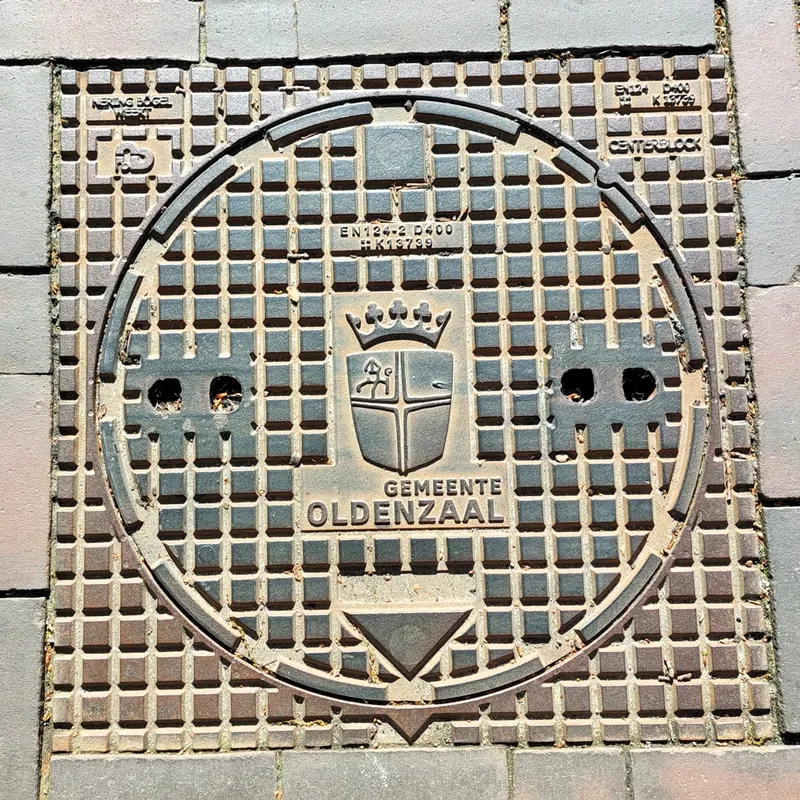
etienne-van-den-homberghThe coats of arms of Dutch municipalities are all described on the Wikipedia page “Coats of Arms from A to Z,” including that of the municipality of Weert. Here is a brief explanation of two notable elements. In heraldry, the inverted V is called a chevron, and in the textile world, a chevron is a weaving pattern. Weert had a thriving cloth industry in the late Middle Ages. The three horns above the chevron refer to the Counts of Horn, who ruled Weert for a long time. One of these counts is all too well known in the Netherlands from our national history: in 1568, he was beheaded on the Grand Place in Brussels for rebelling against Philip II.