caryfukA round metal plate with a blue-green patina is set into rough gray concrete. In the center of the plate, a prominent arrow pointing right dominates, surrounded by the inscriptions "FRAMLINGHAM" and "TOWN TRAIL" in two inverted banners. The entire design acts as a path indicator that has withstood the test of time.
GBManhole covers in United Kingdom
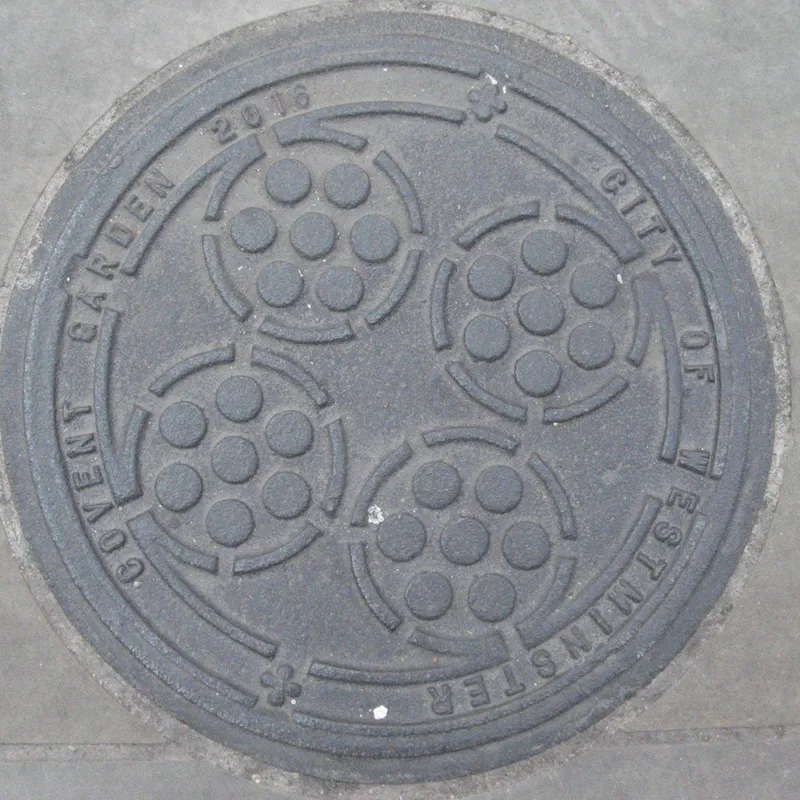
caryfukThe central design of this specimen consists of four circular clusters, each with five raised points, evoking the arrangement of seeds or berries. Around the circumference is clearly stamped 'COVENT GARDEN 2016 CITY OF WESTMINSTER', suggesting its geographical and temporal context. Tiny trefoil symbols add to the aesthetic and add an element of nature symbolism to this urban artifact.
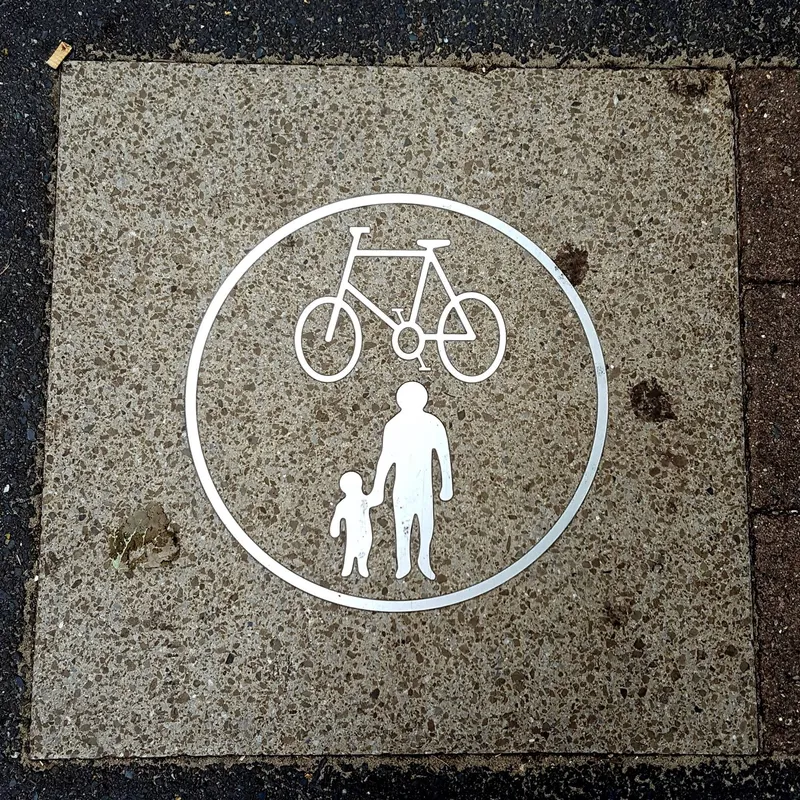
caryfukOn a square concrete slab, a shiny metal symbol is depicted, representing a bicycle above an adult holding a child's hand, all framed by a circle. The slab is surrounded by dark asphalt and on the right side transitions into a brown paved area, with several small stains on the surface.
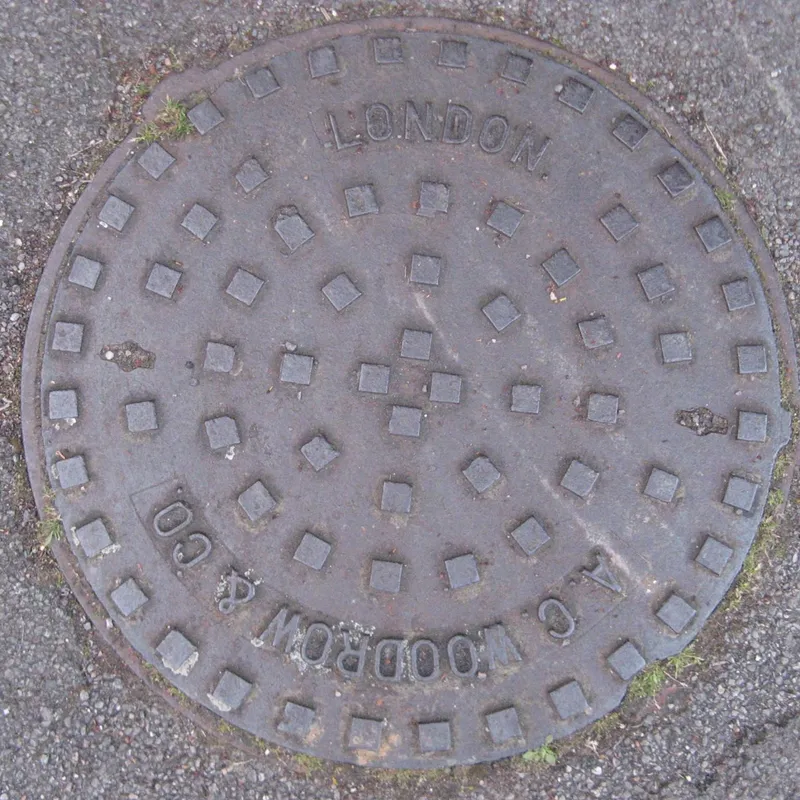
caryfukThe circular surface is dotted with concentric circles of raised square protrusions, which give the cover a distinctive texture. The inscription 'LONDON' elegantly arches in the upper part, while the name 'A. C. WOODROW & CO' encircles the lower edge, indicating its British origin and manufacturer.
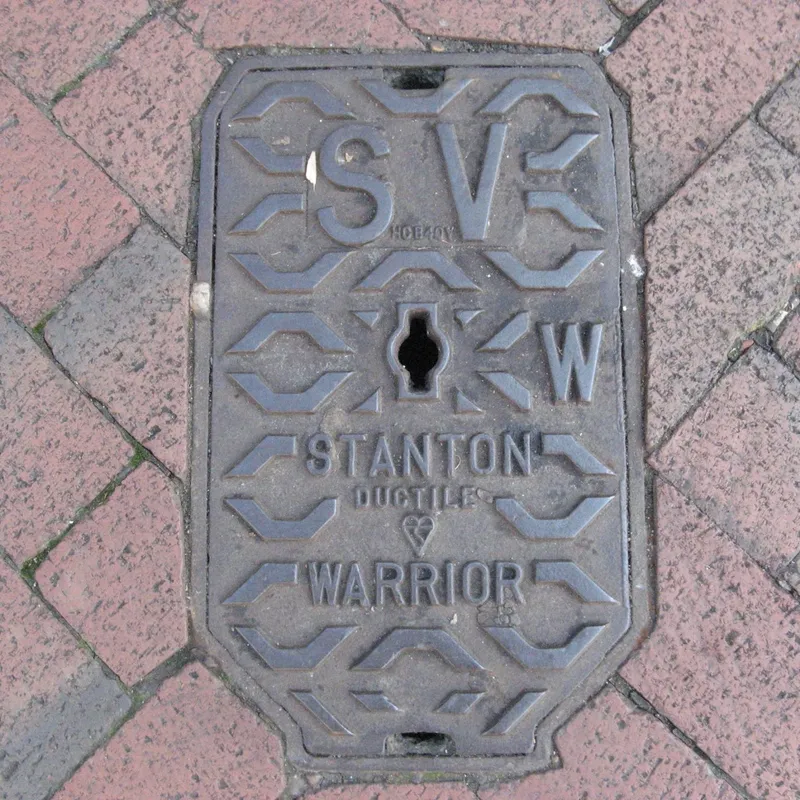
caryfukA dark, rectangular metal surface with prominent inscriptions and a geometric pattern is set into red brick paving. In the center is a keyhole-shaped opening, surrounded by stylized arrows and the letters S.V. and W. Below it, the manufacturer's name "STANTON DUCTILES" and the word "WARRIOR" are clearly visible, accompanied by a small heart symbol.
caryfukA grey hexagon rests on the asphalt road, its rough surface adorned with a series of small labels, reminiscent of ancient seals. In the center, the inscription 'CIVIC' proudly floats in a circle, surrounded by a mysterious patent number and the name 'WOODROWS', like a silent witness to ancient times.
caryfukA grid of small rhombuses covers the circular surface, resembling an ancient seal with the inscriptions "OsmaDrain" and "Inspection Chamber" undulating along the edge. In the center, a small depression hides, like an eye quietly observing the surrounding world.
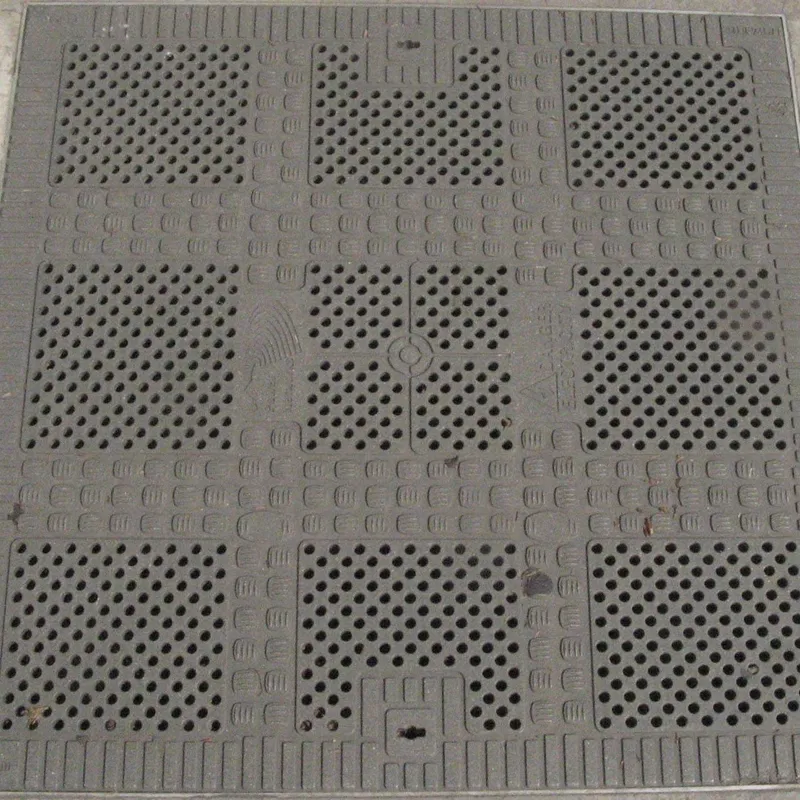
caryfukThe surface shows a repeating geometric pattern consisting of a grid of small circular holes, which is interrupted by a central cross motif. This cruciform element, with vertical and horizontal segments, contains fine arched details and a circular emblem, suggesting a careful, if functional, aesthetic. The Lidology Institute would classify this specimen as a typical example of urban infrastructure with tactile design.
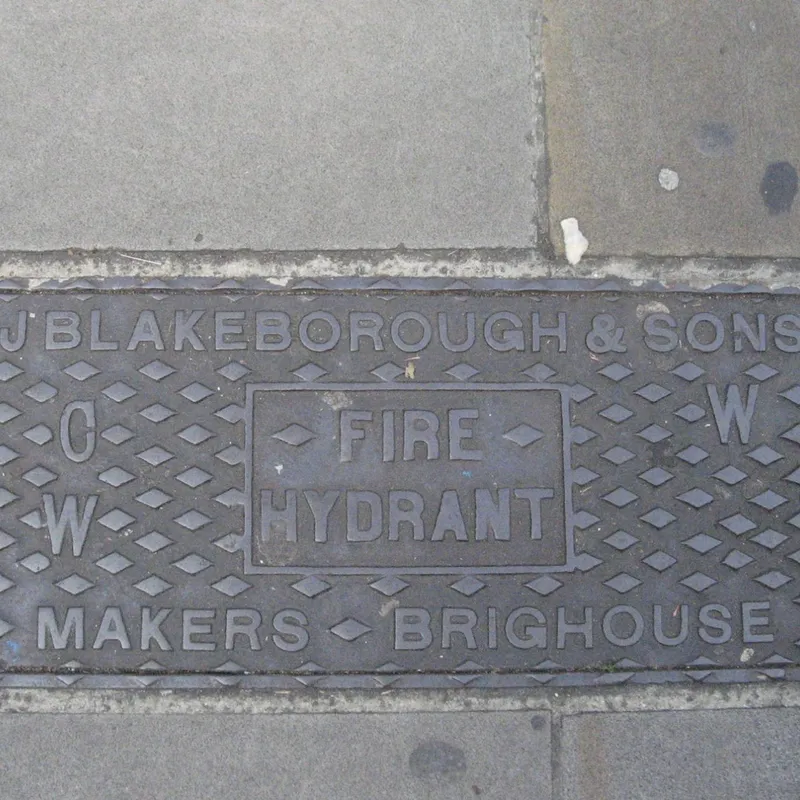
caryfukThis cast-iron manhole cover features embossed text that clearly identifies its manufacturer and purpose. A geometric diamond pattern covers most of the surface, indicating a practical yet robust design. According to the Institute of Lidology, this is a typical example of British engineering, where functionality outweighs aesthetic flourishes.
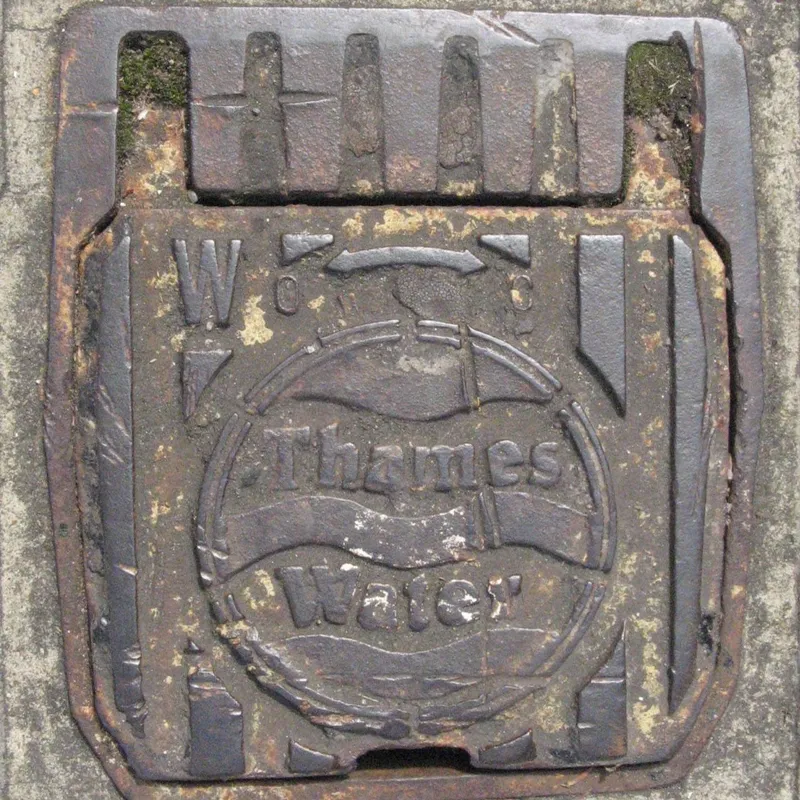
caryfukThe surface of this specimen, apparently cast iron, bears traces of extensive corrosion patina, indicating its long-term interaction with the urban microclimate. The central circular emblem with the inscription 'Thames Water' and the symbols 'W' and 'C' with arrows clearly classifies its function within the water resource management infrastructure system. This artefact, as the Institute of Lidology would confirm, represents a valuable data point for the study of urban archaeology and the evolution of public services.
caryfukThe circular lattice with a labyrinthine pattern in the centre appears to be a fascinating example of early engineering. The rim of this cast iron disc bears epigraphic inscriptions that refer to its ventilation function and geographical provenance, which is crucial for philological research. Its location in rough concrete, surrounded by pebbles, suggests that even the most prosaic urban artefacts deserve careful typological classification.
caryfukThis specimen features an intricate geometric pattern of irregular organic shapes, covering the upper half of the cover. At its center is a circular inscription 'BROADS PO SILENT KNIGHT', indicating a specific manufacturer typology. The lower part, rotated 180 degrees, displays a simpler linear design and repeats part of the inscription 'BROADS PO'.
caryfukThe surface of this specimen is divided by a diagonal line, with both halves decorated with an irregular, pebbled pattern. Two circular inscriptions with the number '700' and the text 'FERRO ROADS KNIGHT' dominate the design, complemented by four oval holes for handling. From a philological perspective, this artefact is a fascinating study of the functional aesthetics of urban infrastructure, with clear reference to the maker and potential dimensions.
caryfukThe cast iron grating, surrounded by cracked concrete and pebbles, bears the inscriptions 'LONDON' and 'INTERCEPTOR DRAIN', clearly identifying it as part of the city's drainage system. Its central geometric pattern, made up of concentric squares and cross elements, represents a robust and efficient design for collecting surface water, a subject of interest in philological studies.
caryfukA robust zig-zag pattern dominates this square drainage element, whose primary function is the efficient drainage of water, as indicated by the 'WATERFLOW' inscription. Examination of this specimen reveals an EN124 standardisation marking and a C250 load class, indicating it is intended for areas of light traffic. The Institute of Lidology would certainly appreciate the precision with which the direction of traffic flow is integrated here, indicated by an arrow and the word 'TRAFFIC'.
caryfukThe surface of this iron specimen is dominated by a triangular shape whose relief pattern resembles repeating geometric segments, suggesting a robust engineering design. The central inscriptions 'CENTURION' and 'STANTON & STAVELEY', together with the marking 'BS❤497', provide key taxonomic data for the classification of this artefact within British Industrial Standards. The presence of "GRADE A" and "DUCTILE" further specifies its material and load characteristics, which is of interest to the Institute of Lidology.
caryfukA geometric pattern formed by repeating 'S' or 'Z' shaped elements covers the entire surface of this specimen. The inscriptions "BRICKHOUSE DUDLEY LTD" and "CHEVRON76" are clearly visible, indicating its origin and patented design. The Institute of Lidology would classify this find as an industrial artifact with aesthetic overlap.
caryfukThis example of a cast-iron hatch is dominated by a distinctive geometric pattern of parallel lines interspersed with numerous inscriptions and logos. Particularly noticeable are the recurring names 'SAVAGE ULTRA' and 'CABLE & WIRELESS', indicating its specific purpose in infrastructure. Lidological analysis reveals careful labelling of manufacturer and technical specifications, typical of British engineering standards.
caryfukA repeating geometric pattern of broken lines spreads over the surface of this specimen, giving the functional object a certain visual dynamism. A central diagonal line divides the surface into two symmetrical halves, each bearing inscriptions such as 'STANTON PLC D400 EN124' and 'CHIEFTAIN 600', key identification markers for philological classification. The patina of rust and wear indicates long-term exposure to external influences.
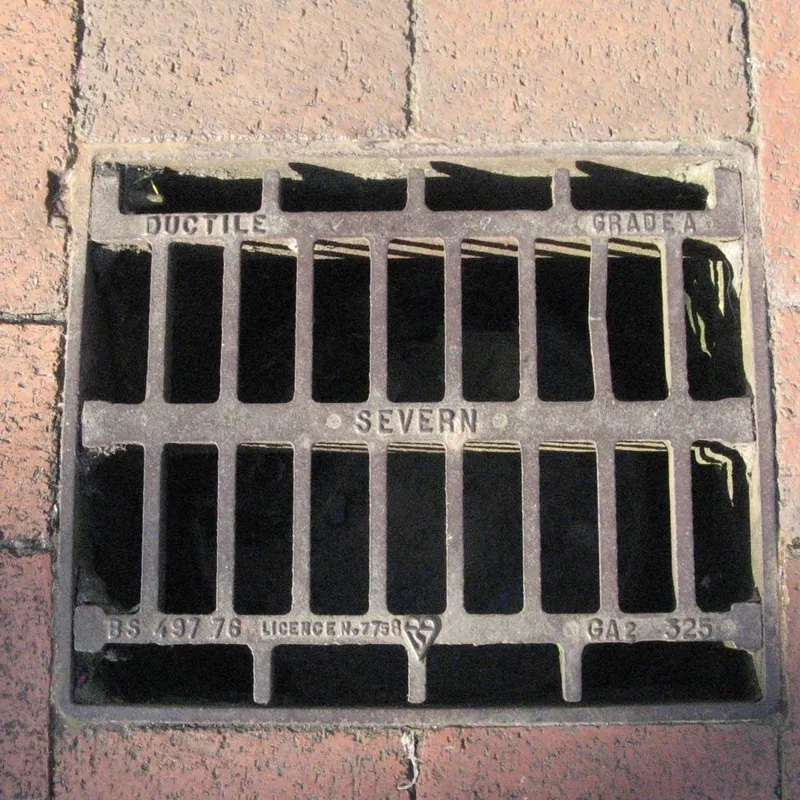
caryfukBrick paving with a fine texture surrounds a dark grey, rectangular grate, whose robust vertical and horizontal bars form a functional drain. Inscriptions like "DUCTILE" and "SEVERN" are clearly embossed on the surface, revealing the material and probable manufacturer. Its stark, industrial appearance with clear technical data serves a practical purpose.
caryfukOn the grey metallic surface, a prominent text spreads diagonally, repeatedly stating manufacturers' names and load class. A geometric pattern of arrows, arranged in rows, gives this specimen an industrial character. According to findings by the Institute of Lidology, this is a typical example of functional design from the mid-20th century.
caryfukA regular grid pattern with raised square elements dominates this surface, which is typical of early engineering structures. The central inscriptions 'MACKENZIE & MONCUR LTD' and 'EDINBURGH' serve as primary identification markers of manufacturer and geographical origin. This example, examined by the Institute of Lidology, shows signs of wear consistent with its presumed age and function in an urban environment.
caryfukA grid of rectangular raised blocks covers the rusty surface, providing tactile information and improved grip. The central inscription identifies the manufacturer CLARKSTEEL LTD, the location YAXLEY, ENGLAND and TELEX number 32207, a notable artefact from the pre-digital communications era. This specimen, as classified by the Institute of Lidology, is a typical example of British engineering of its time.
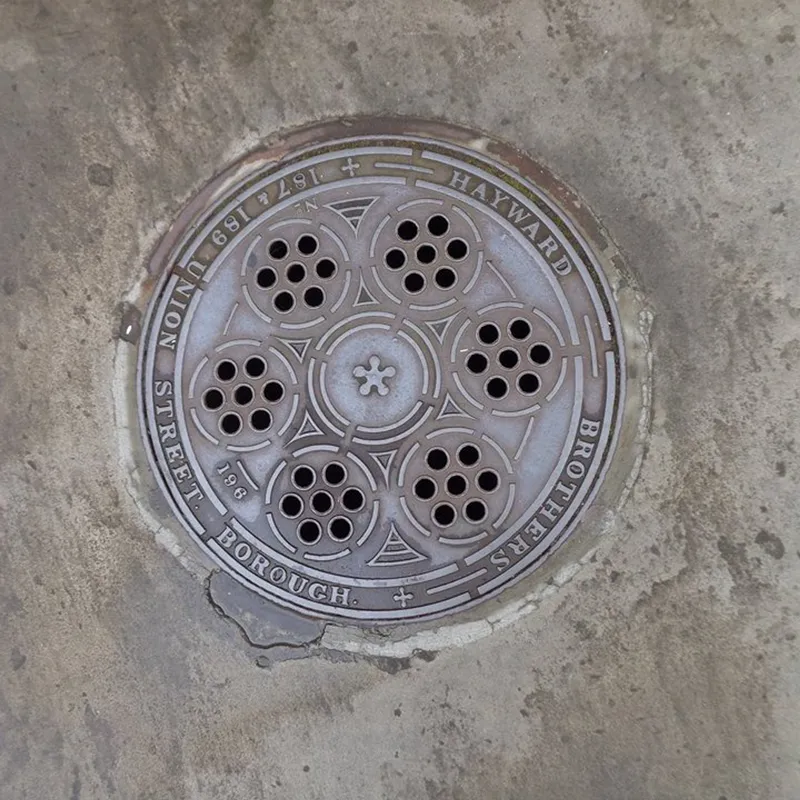
caryfukIn the center, a star-shaped ornament unfolds, from which circular segments with openings radiate, resembling flower petals. The outer ring bears inscriptions that whisper stories of old streets and craftsmanship from the late 19th century.
caryfukA rhythmic pattern of sharp angles spreads across the rusty surface, resembling arrows pointing in all directions. This robust ductile iron plate, marked by time, bears proud manufacturer's inscriptions and dimensions, as if telling a story of its tireless service underfoot.
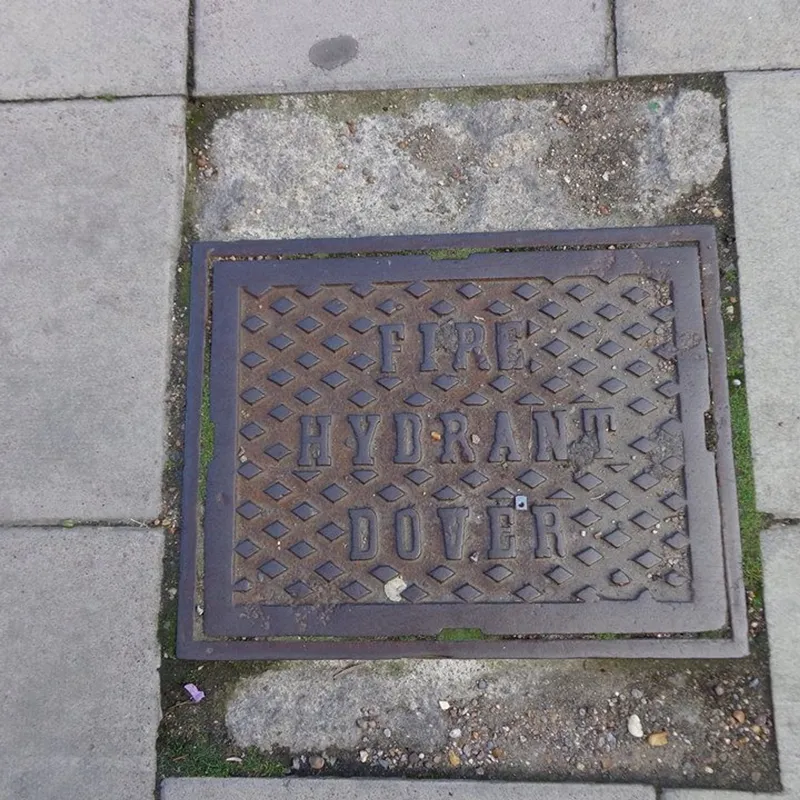
caryfukA deep, rusty grate with a repeating diamond pattern hides beneath it the secrets of the underground world. In the middle, the inscription "FIRE HYDRANT DOVER" proudly stands, resembling a silent guardian ready for action.