Skip to content

Manhole covers in London

caryfukcaryfuk
London, United Kingdom
Manhole cover in London, United Kingdom

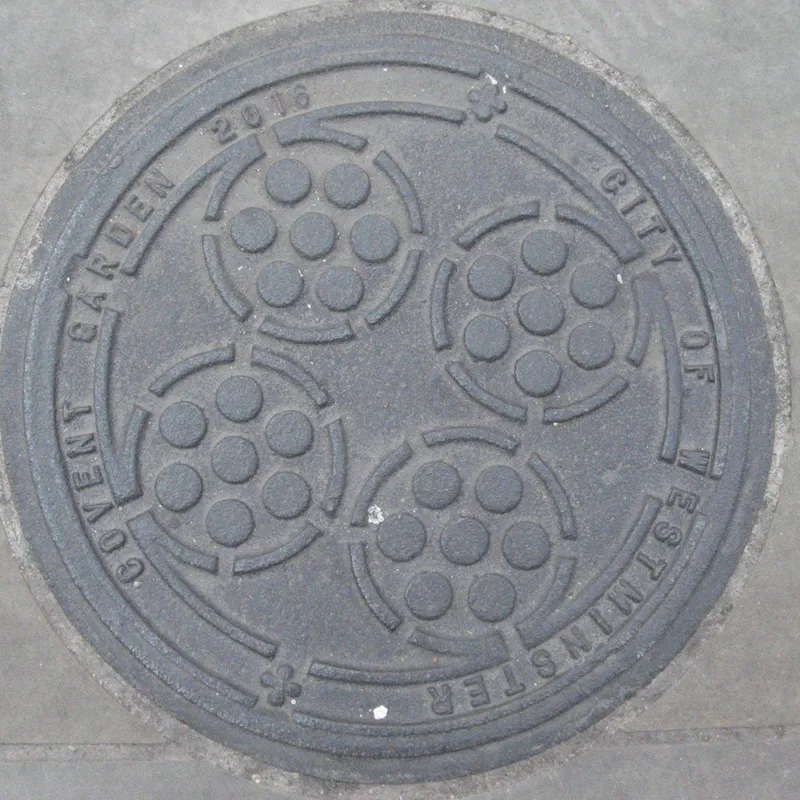
caryfukThe central design of this specimen consists of four circular clusters, each with five raised points, evoking the arrangement of seeds or berries. Around the circumference is clearly stamped 'COVENT GARDEN 2016 CITY OF WESTMINSTER', suggesting its geographical and temporal context. Tiny trefoil symbols add to the aesthetic and add an element of nature symbolism to this urban artifact.
caryfukcaryfuk
London, United Kingdom
Manhole cover in London, United Kingdom

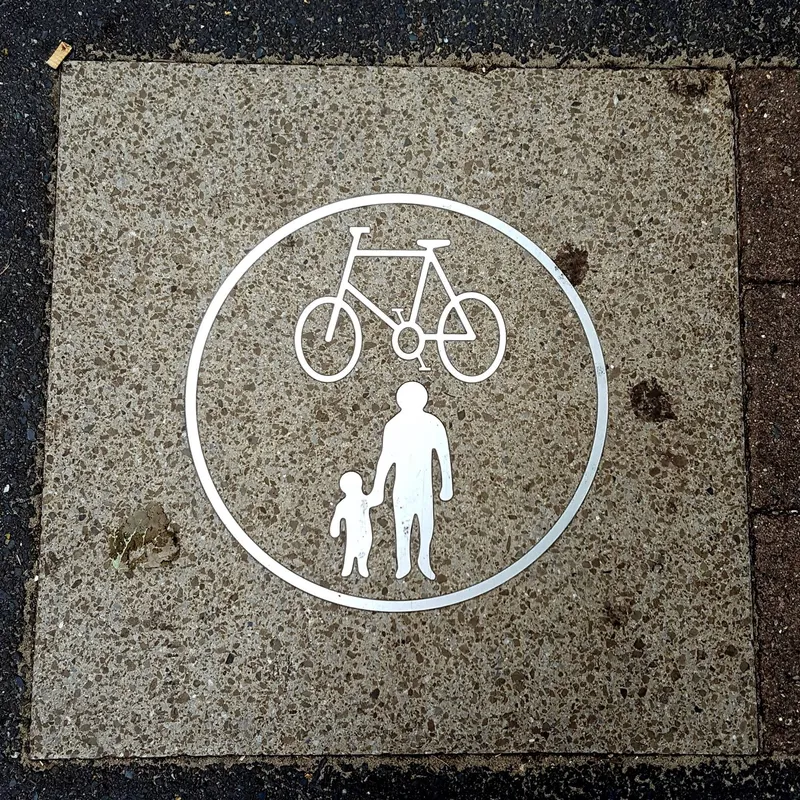
caryfukOn a square concrete slab, a shiny metal symbol is depicted, representing a bicycle above an adult holding a child's hand, all framed by a circle. The slab is surrounded by dark asphalt and on the right side transitions into a brown paved area, with several small stains on the surface.

caryfukcaryfuk
London, United Kingdom
Manhole cover in London, United Kingdom

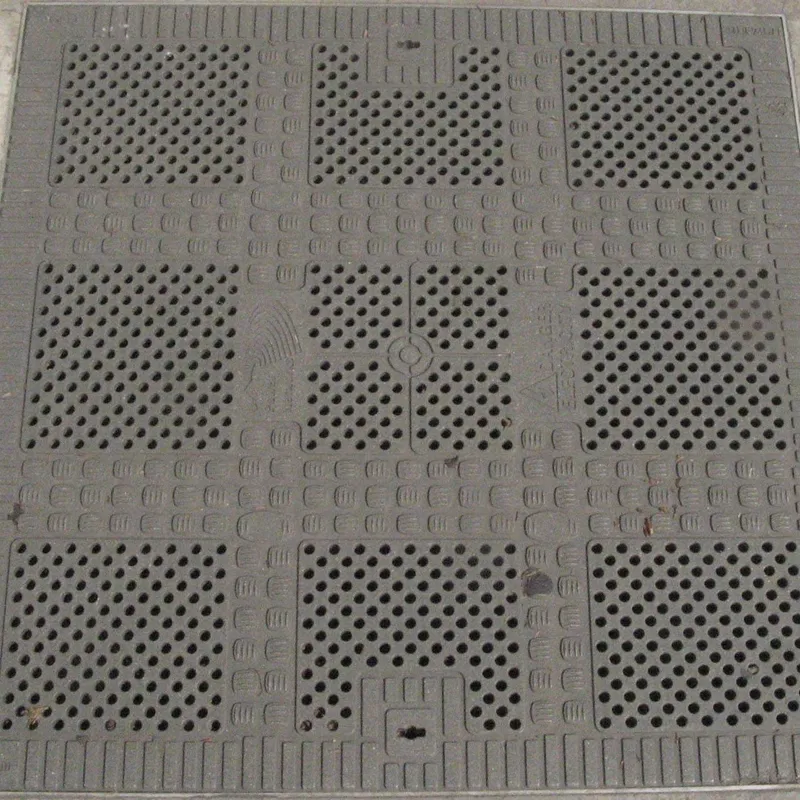
caryfukThe surface shows a repeating geometric pattern consisting of a grid of small circular holes, which is interrupted by a central cross motif. This cruciform element, with vertical and horizontal segments, contains fine arched details and a circular emblem, suggesting a careful, if functional, aesthetic. The Lidology Institute would classify this specimen as a typical example of urban infrastructure with tactile design.

caryfukcaryfuk
London, United Kingdom
Manhole cover in London, United Kingdom

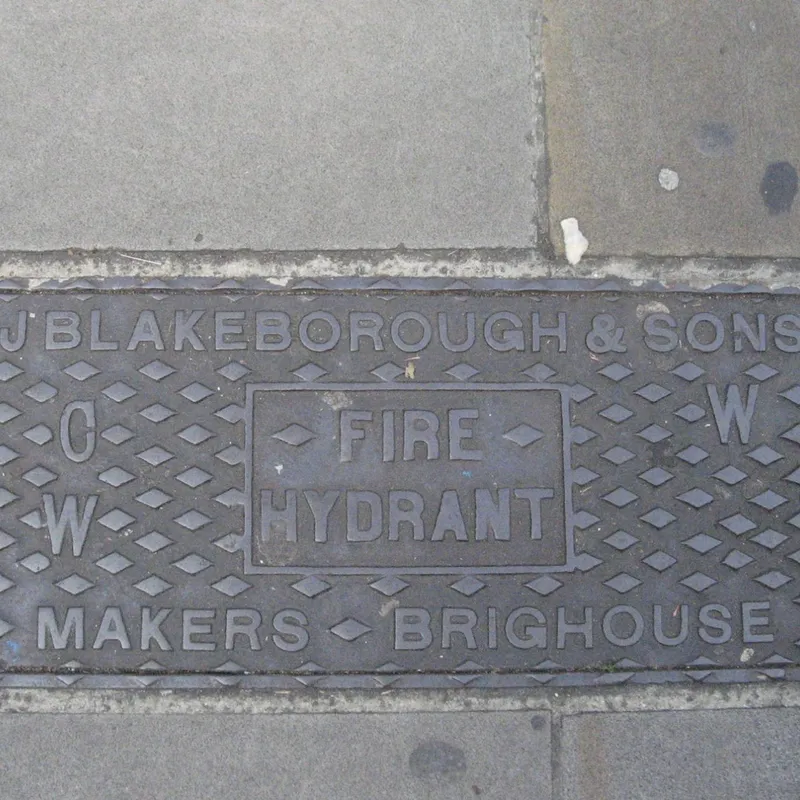
caryfukThis cast-iron manhole cover features embossed text that clearly identifies its manufacturer and purpose. A geometric diamond pattern covers most of the surface, indicating a practical yet robust design. According to the Institute of Lidology, this is a typical example of British engineering, where functionality outweighs aesthetic flourishes.

caryfukcaryfuk
London, United Kingdom
Manhole cover in London, United Kingdom

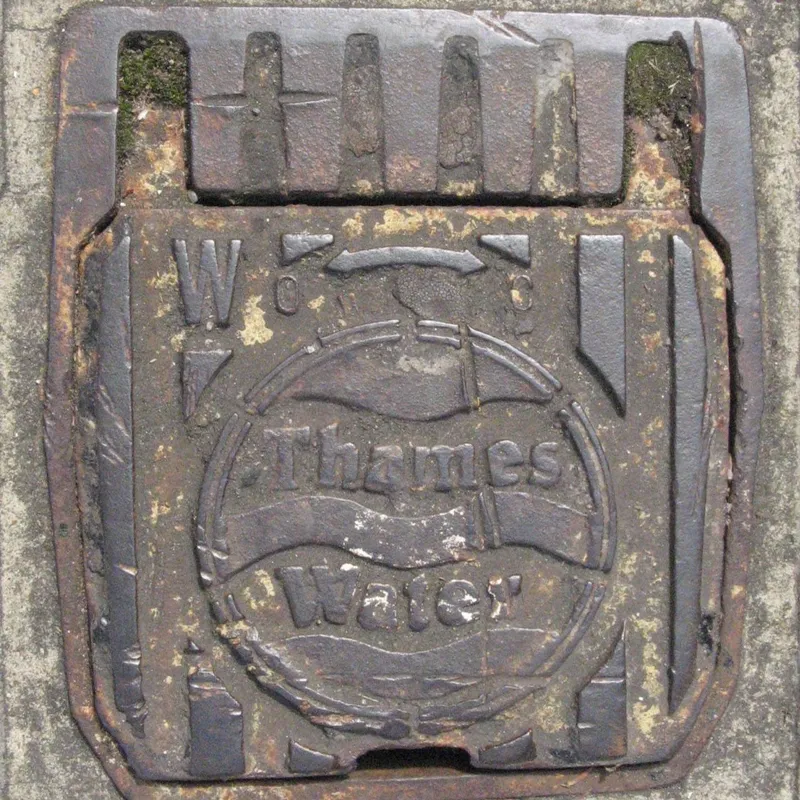
caryfukThe surface of this specimen, apparently cast iron, bears traces of extensive corrosion patina, indicating its long-term interaction with the urban microclimate. The central circular emblem with the inscription 'Thames Water' and the symbols 'W' and 'C' with arrows clearly classifies its function within the water resource management infrastructure system. This artefact, as the Institute of Lidology would confirm, represents a valuable data point for the study of urban archaeology and the evolution of public services.