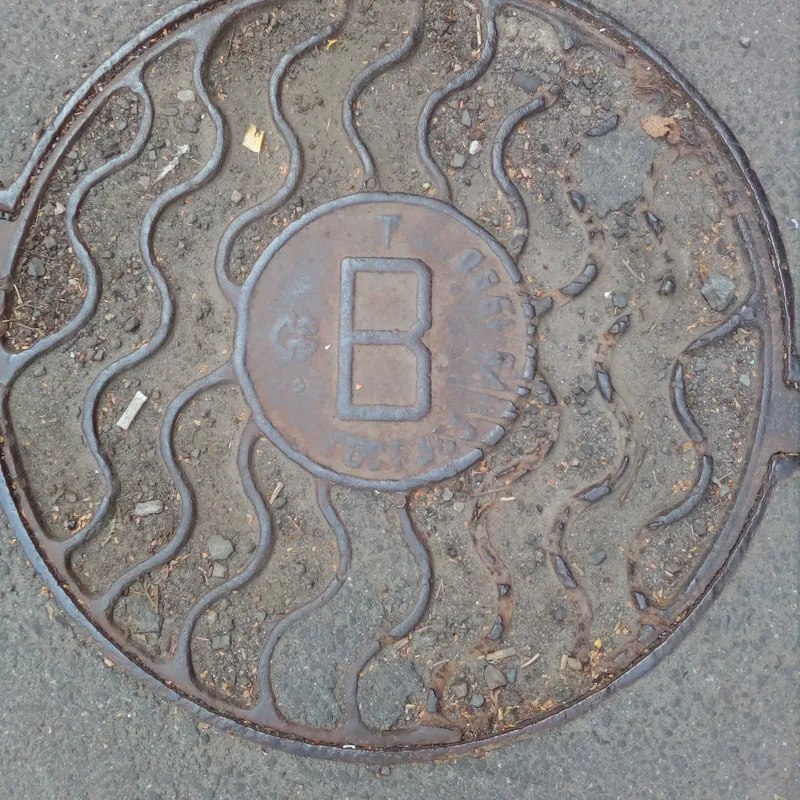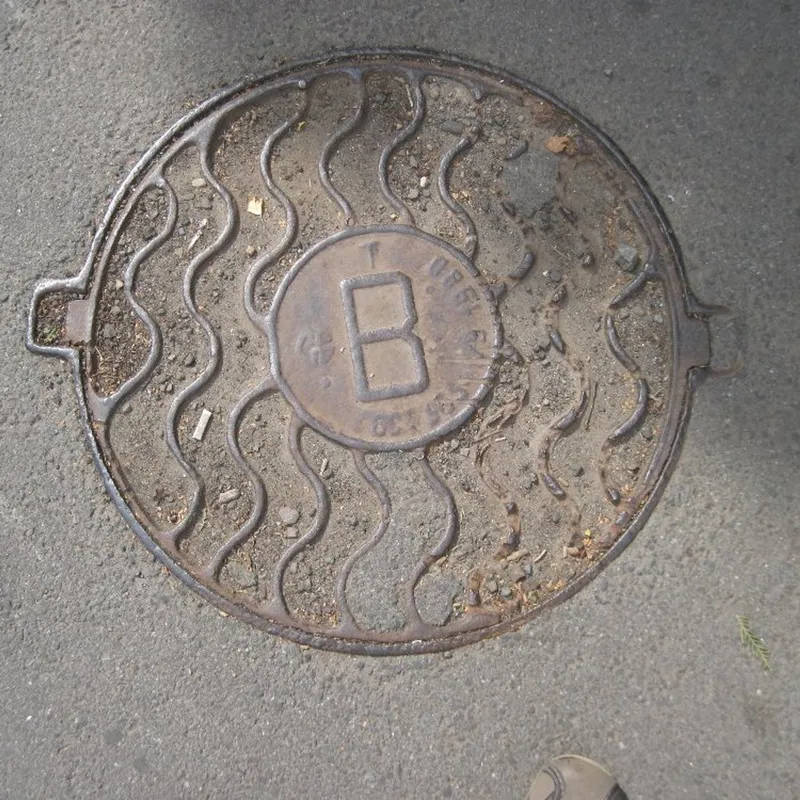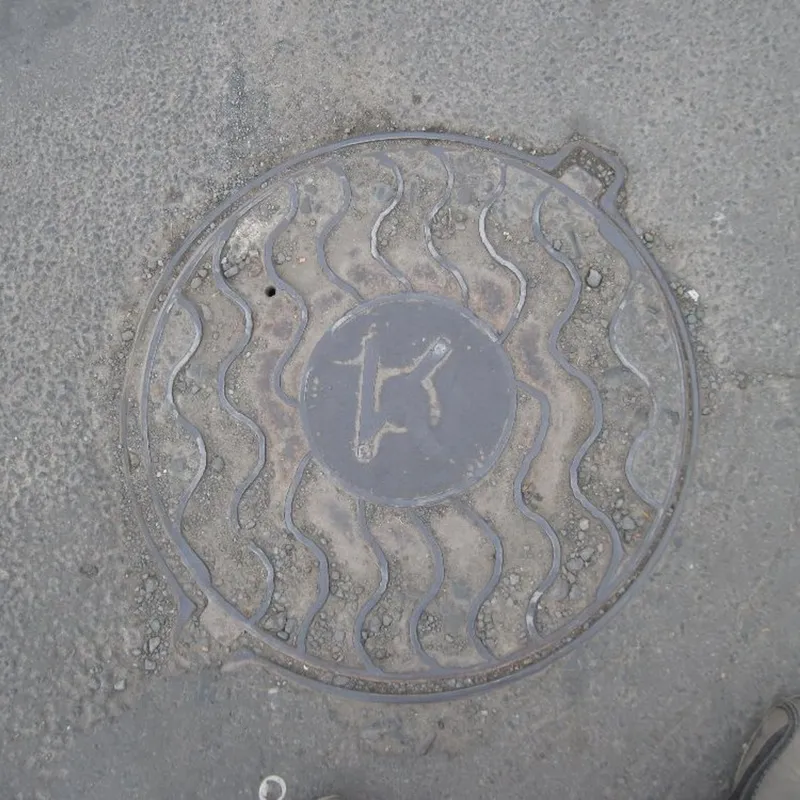
caryfukOn the grey, grainy textured surface of the pavement is a circular hatch, the design of which is formed by a set of wavy lines that radially spread from the central medallion. In the centre of this medallion is carved an abstract symbol, resembling a stylised ideogram or letter, which gives this example of urban infrastructure an air of specific identity worthy of careful philological investigation.
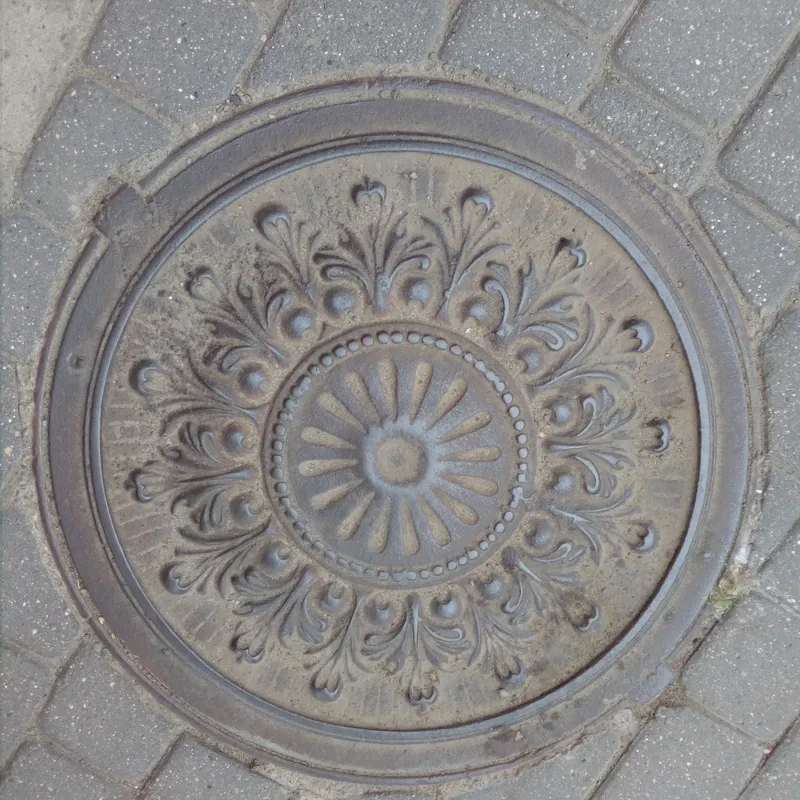
Manhole covers in Svyatoshyn
caryfukA circular pattern of stylized foliage emanates from a central motif resembling the sun, carefully arranged in a sturdy cast iron specimen. This specimen, examined by the Institute of Lidology, exhibits an intricate design framed by a double ring border, suggesting a deliberate aesthetic choice. The surrounding grey paving stones provide a functional contrast to the ornamental surface.
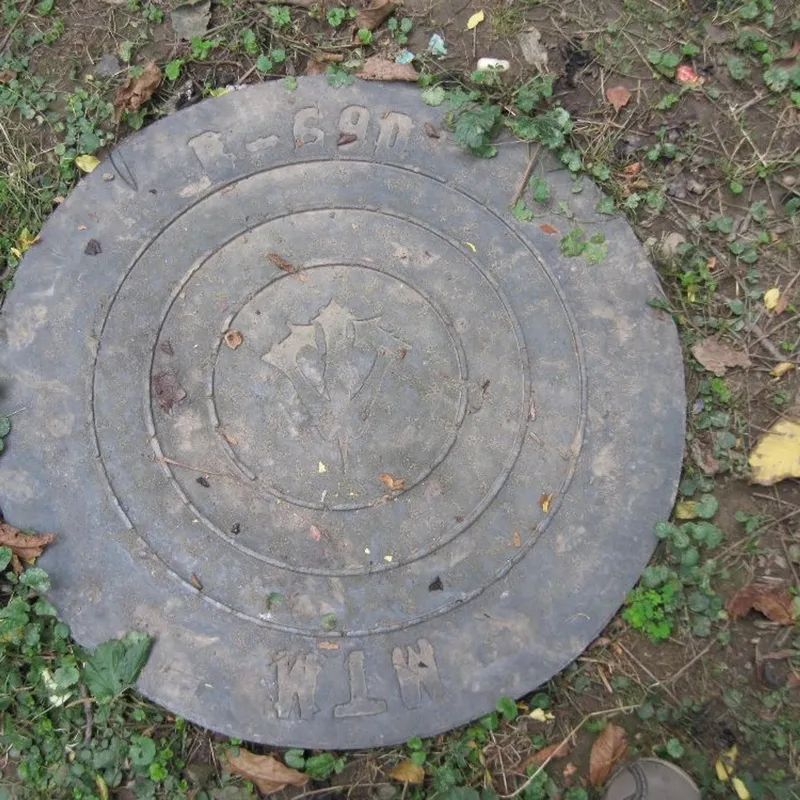
caryfukThis specimen shows a circular design with concentric circles surrounding a central emblem resembling a stylized leaf or heraldic emblem. The numbers T-690 are clearly stamped on the upper part, while the inscription WTM appears on the lower part, indicating a specific classification or manufacturer. The surface is dark grey, with noticeable signs of wear and minor dirt, which is typical of objects exposed to the outside environment.
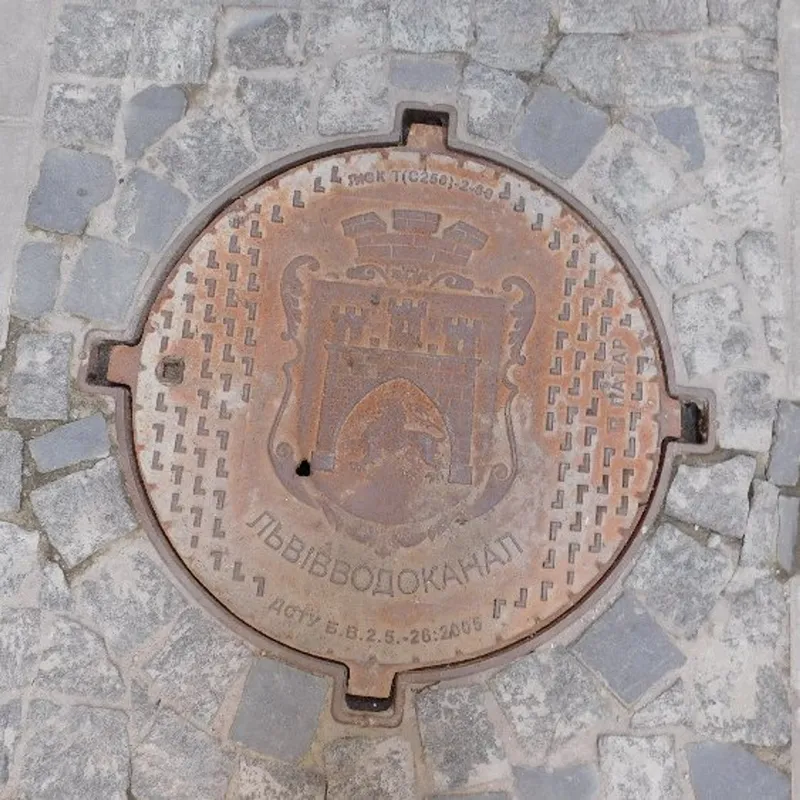
caryfukThe central coat of arms, depicting a castle gate with a battlement and a stylized beast, dominates this example of urban infrastructure. Surrounding textures and inscriptions, including the designation "ЛВІВВОДОКАНАЛ", provide valuable philological data on its origin and functional classification.
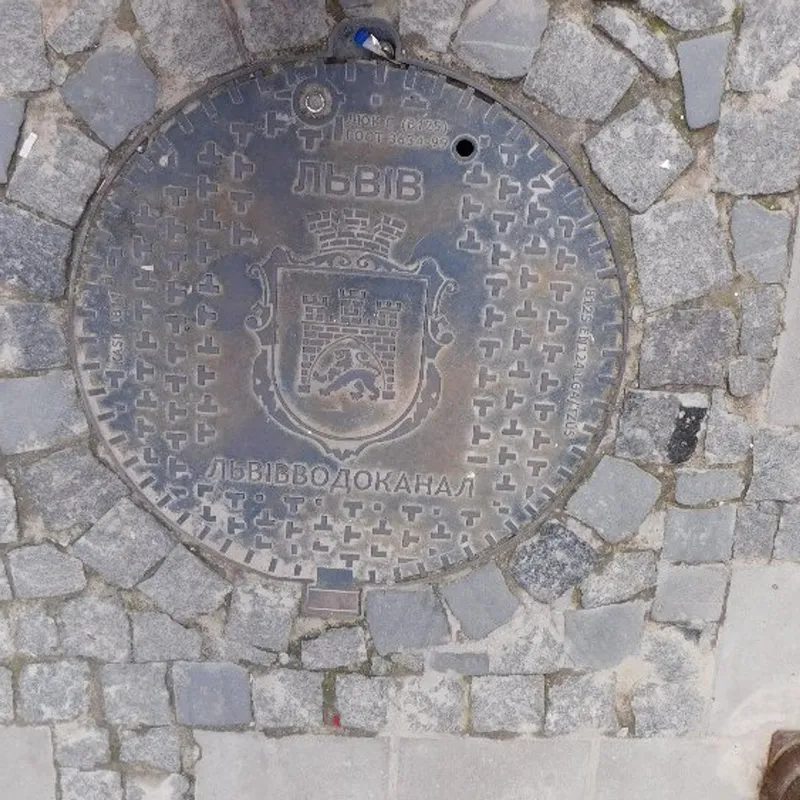
caryfukThe surface morphology of this circular specimen, set in paving stones, reveals the central heraldic emblem of a lion and a castle, surrounded by a repetitive geometric pattern. The inscriptions 'ЛЬВІВВОДКАНАЛ' and 'ЛЬВІВ' clearly identify its geographical and functional affiliation, making it a standard but visually interesting element of the urban landscape.
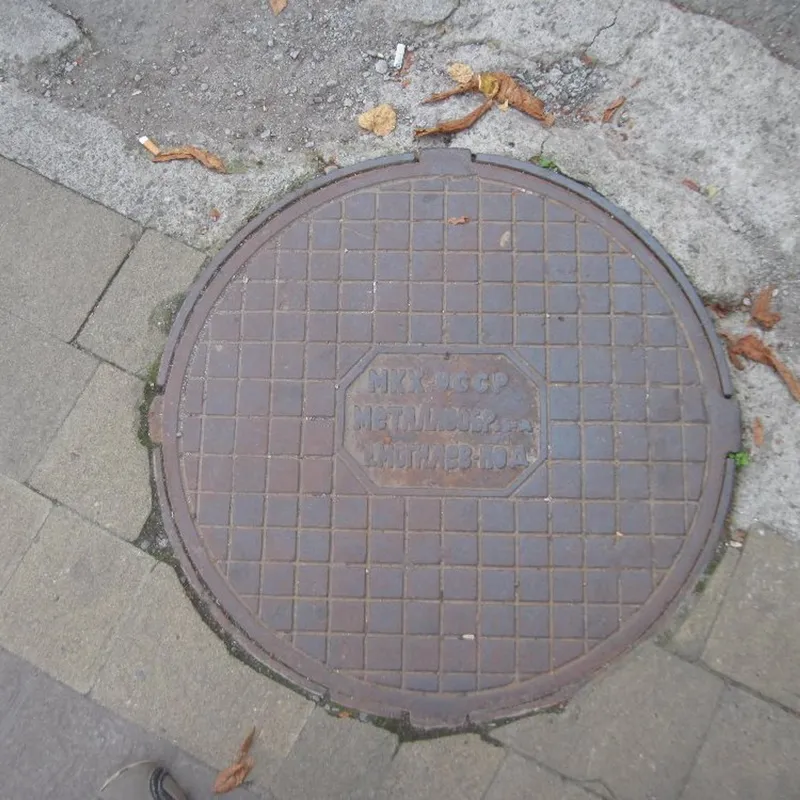
caryfukA grid pattern covers the surface of this specimen, with a central octagonal area bearing inscriptions from the Soviet Union era. A rusty patina indicates its long service in urban infrastructure, despite being still fully functional, which is typical for robust castings from the MZhK USSR period.
caryfukThe central circular medallion of this specimen bears the distinctive letter 'B', surrounded by a wavy radial pattern that evokes sunbeams or a flowing medium. The surrounding ground is littered with small stones and leaves, suggesting its prolonged exposure to the urban environment. The inscriptions 'STADT BERLIN 1950' and the letter 'T' above the 'B' provide valuable chronological and geographical data for philological analysis.
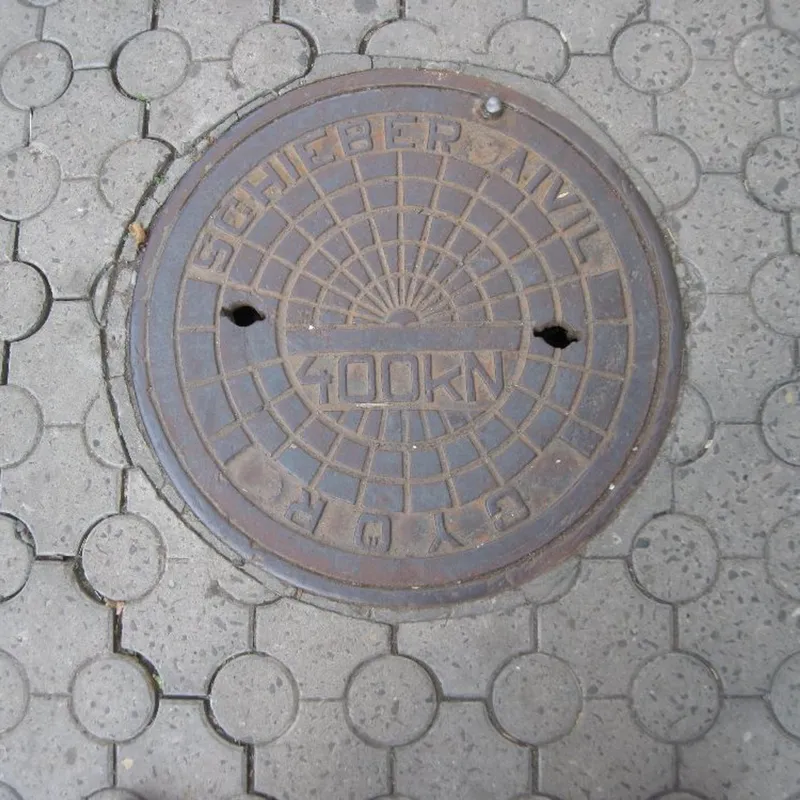
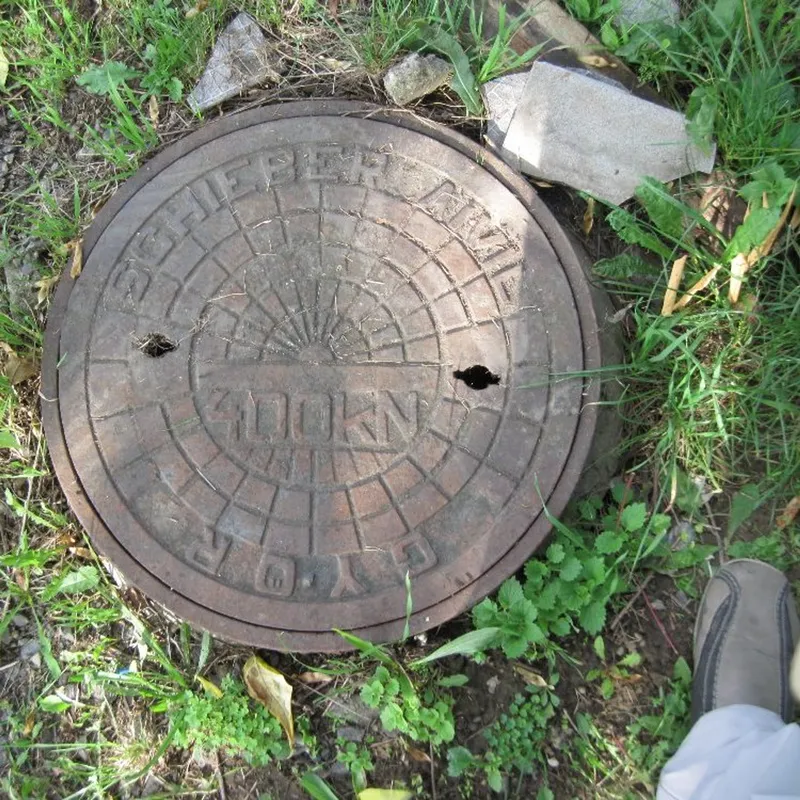
caryfukA radial grid pattern, resembling sun rays, dominates this manhole cover specimen, with a central marking of 400KN. The edge bears the inscription SCHIEBER CIVIL, indicating its origin and specification. This artifact, examined by the Institute of Lidology, provides valuable insight into the engineering standards of urban infrastructure.
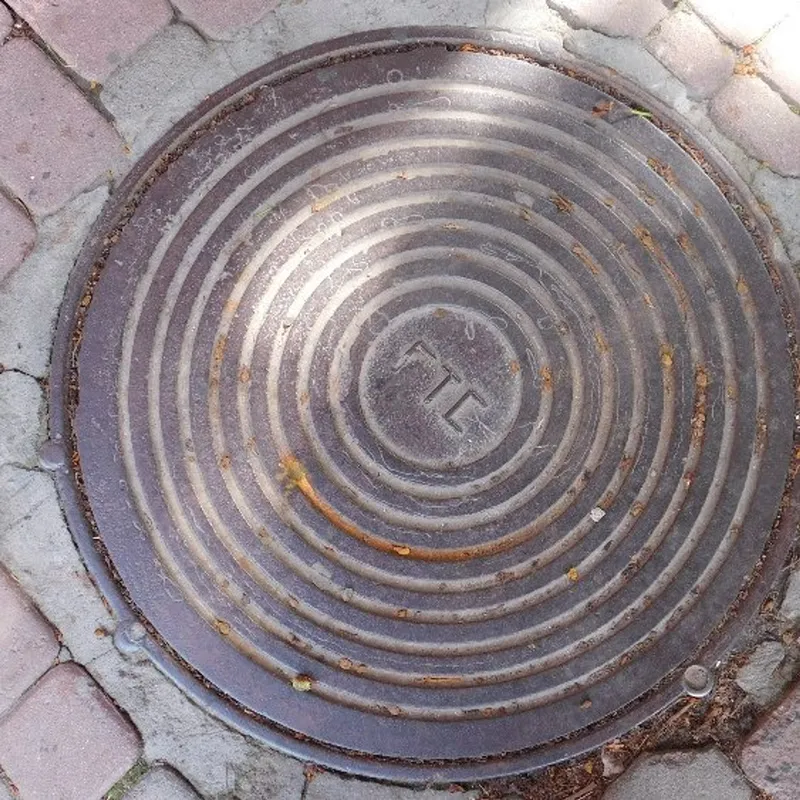
caryfukA central circular pattern with radial ribs dominates this specimen, whose surface shows signs of iron oxidation, typical of cast iron artefacts exposed to the weather. The abbreviation 'FTC' can be seen in its centre, which, although its exact meaning remains a subject of further research by the Institute of Lidology, indicates a specific affiliation with an underground infrastructure network. The surrounding paving of brick and concrete provides a valuable context for its location in the urban environment, where it fulfils a subtle but crucial function.
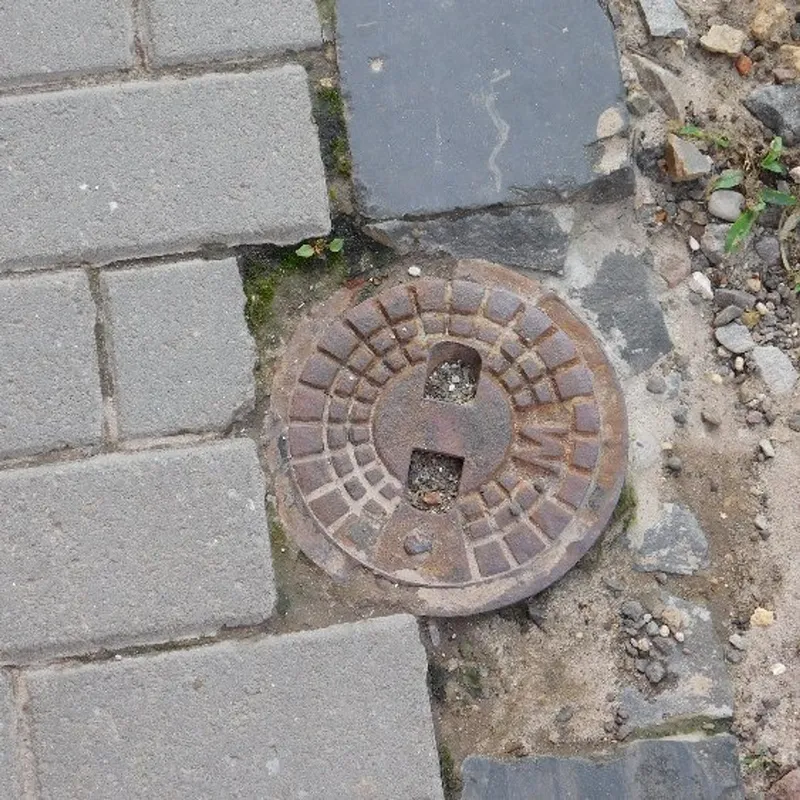
caryfukA circular structure with radial and concentric segments dominates the center of the composition, showing signs of significant wear and oxidation. In the central part, two square openings are visible, surrounded by an embossed letter 'W', indicating its functional classification. This specimen, set into a heterogeneous surface of cobblestones and gravel, represents a typical artifact of urban infrastructure.
caryfukThe central circular medallion with a prominent letter 'B' is surrounded by wavy ribs that radiate outwards towards the edge of the cover. This specimen, dated to October 1980, represents an interesting artifact of urban infrastructure, exhibiting typical signs of surface corrosion and wear, which is entirely common for cast iron objects in an exposed environment.
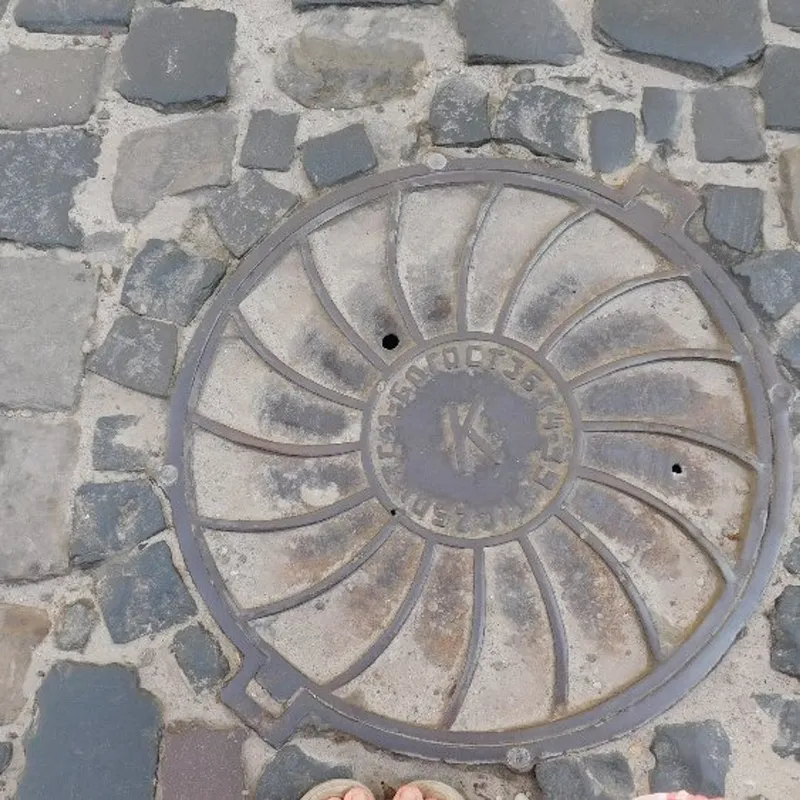
caryfukA circular grid with radial and spiral elements dominates this example of urban infrastructure. The central 'K' symbol and Cyrillic script indicate a specific purpose and geographical origin, which is of interest to the Institute of Lidology. Obvious surface wear testifies to its long-term exposure in a dynamic urban environment.
caryfukA sturdy circular cast iron disc, obviously designed for heavy loads, dominates the centre of the composition. Its surface is decorated with a radial and grid pattern surrounding the central inscription '400KN', which according to the methodology of the Institute of Lidology indicates a load class of D400. The surrounding vegetation and fragments of concrete indicate its integration into the outdoor environment, where it fulfils its infrastructural function.
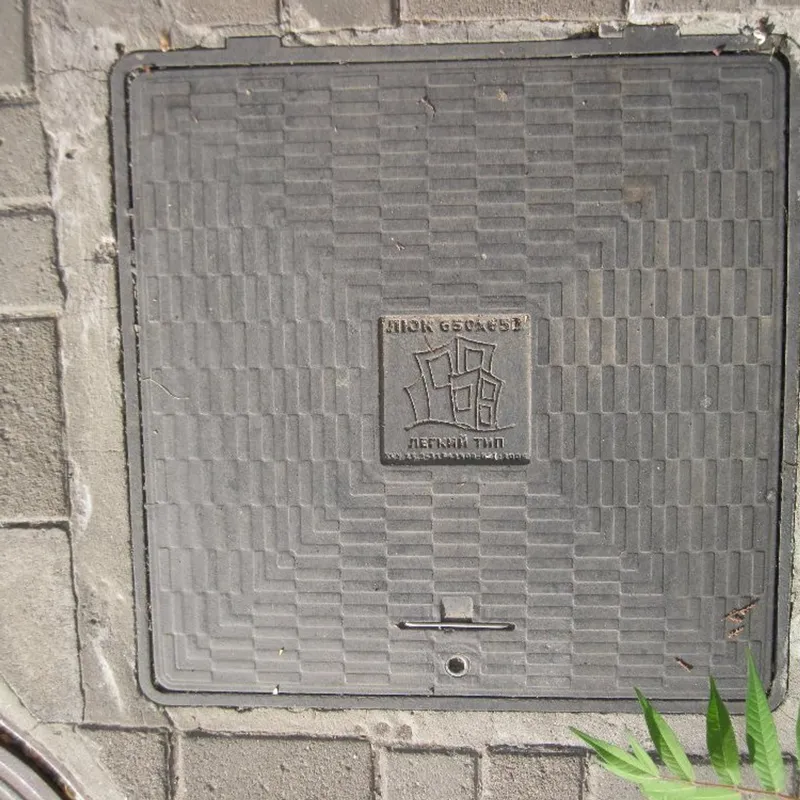
caryfukA repeating geometric pattern of small rectangles, evoking a carefully arranged pavement, spreads over the grey square hatch. The central emblem, surrounded by the text "ЛЕГКИЙ ТИП" and "ЛЮК ГОСТ 3634", is a fascinating pictogram whose precise iconography would deserve a deeper philological analysis. This specimen, set in a cobblestone sidewalk, shows signs of normal wear and tear, which is only natural for such an artifact.
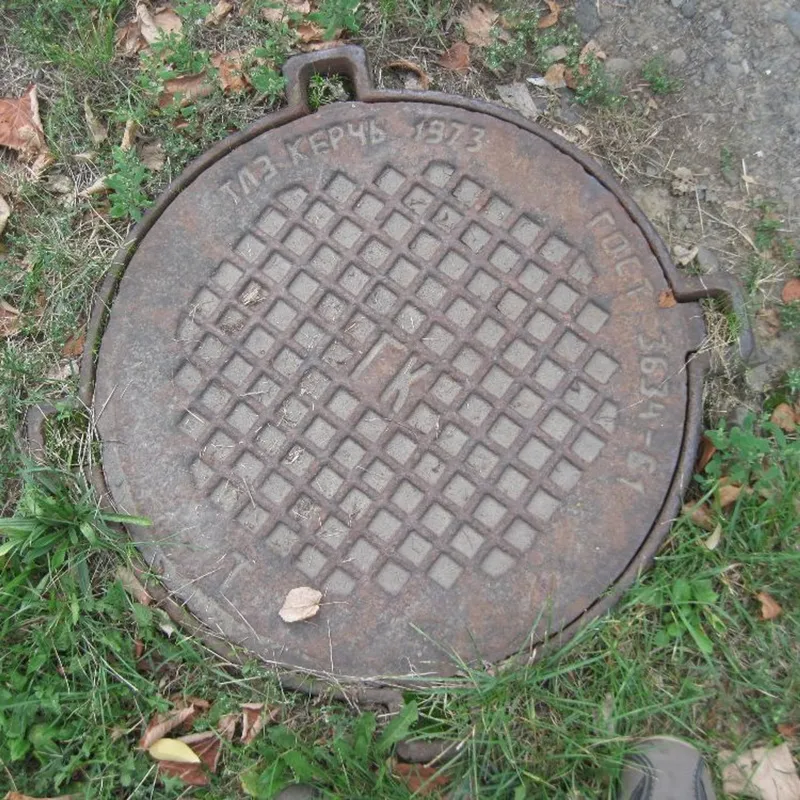
caryfukA grid pattern of small squares arranged in a diamond grid dominates this example of a cast iron hatch. The inscriptions 'ГАЗ КЕРЧЬ 1973' and 'ГОСТ 3634-81' provide key chronological and functional data for philological analysis. The presence of the letter "K" in the center suggests another, not yet fully elucidated, categorization within the urban infrastructure.
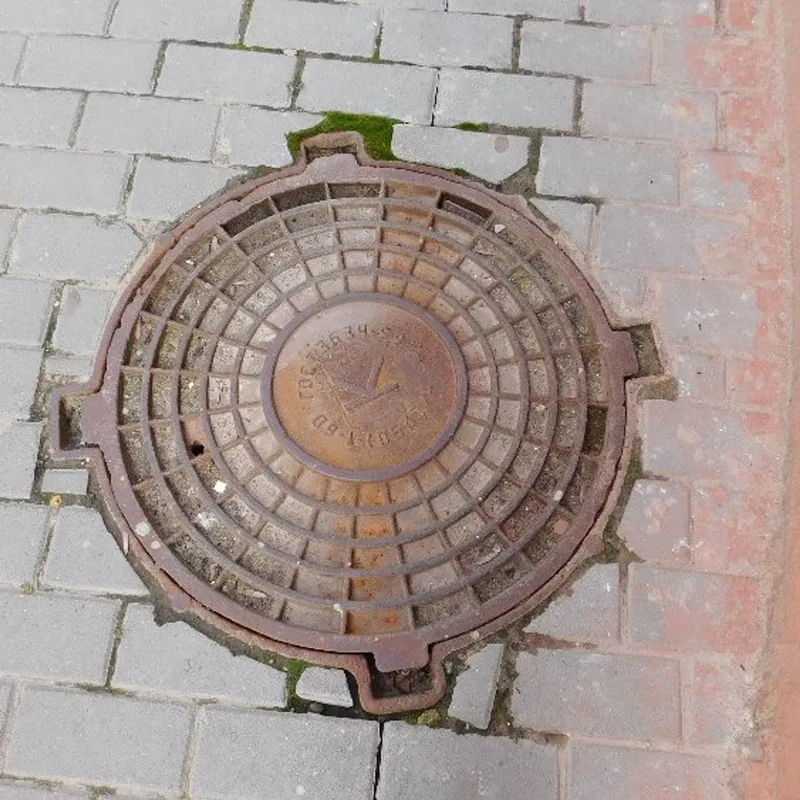
caryfukA circular metal artefact with a distinctive geometric pattern of concentric circles and radial lines appears on the grey pavement. The central disc bears the inscription 'ГОСТ 3634-99' and the symbol of the letter K, which, according to the methodology of the Institute of Lidology, indicates its functional classification. The surface is covered with a patina of rust, which gives this specimen its characteristic, time-marked appearance.
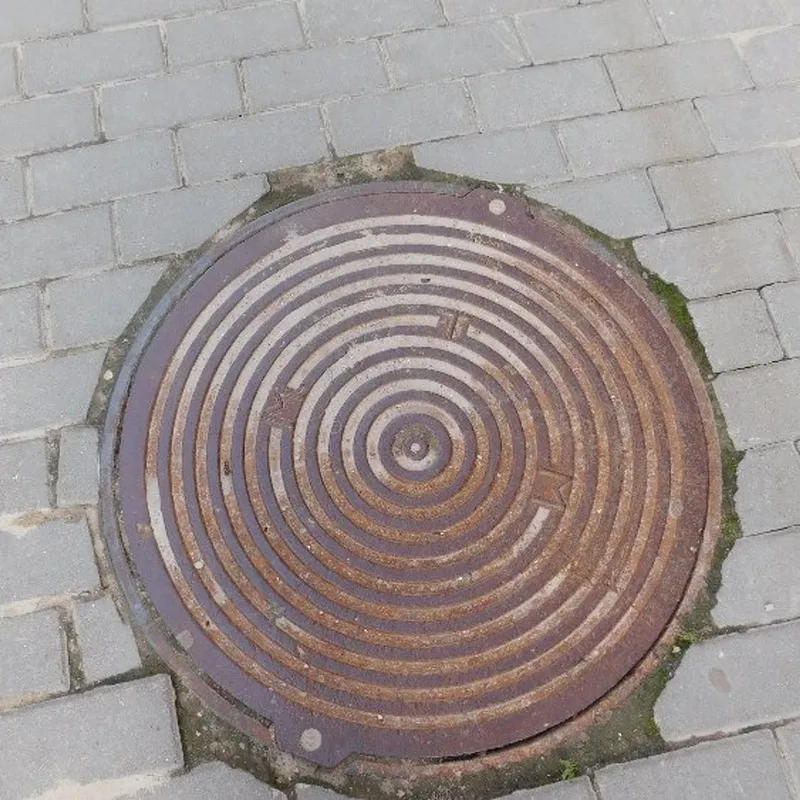
caryfukOn this specimen, a distinct pattern of concentric circles is visible, evoking a topographical map of an unknown underground landscape. The surface bears traces of significant oxidation, which gives the cover a patina of time and testifies to its long-term exposure to atmospheric influences. The surrounding paving of grey bricks provides a contrasting, yet functional frame for this industrial artifact.
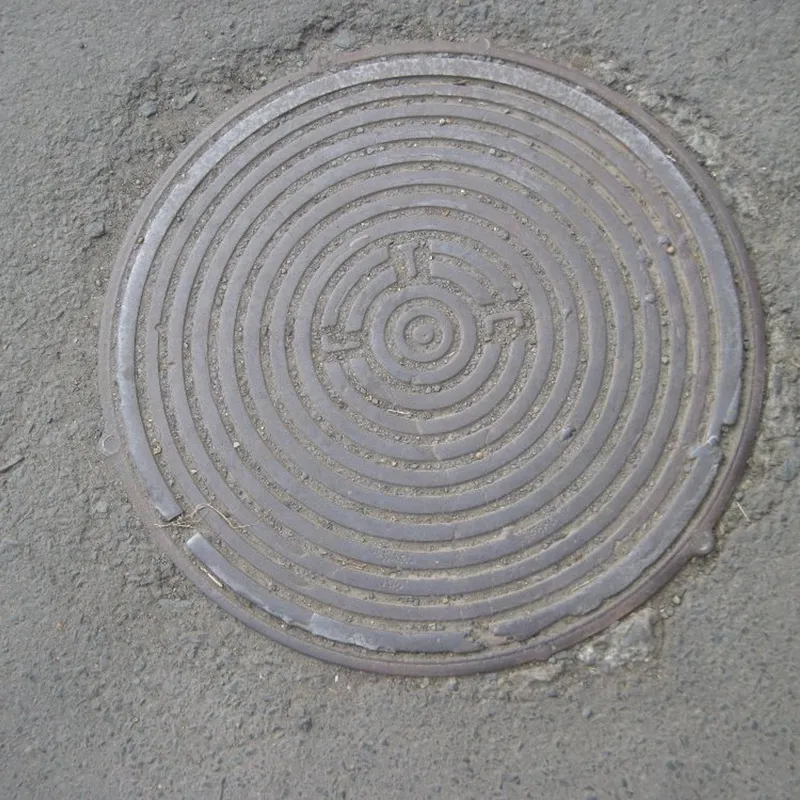
caryfukA circular arrangement of concentric circles dominates this specimen, with a central labyrinthine motif that could be of interest to the Institute of Lidology. The rough metal surface bears traces of wear and is embedded in an asphalt substrate, indicating its long-term exposure to an urban environment.
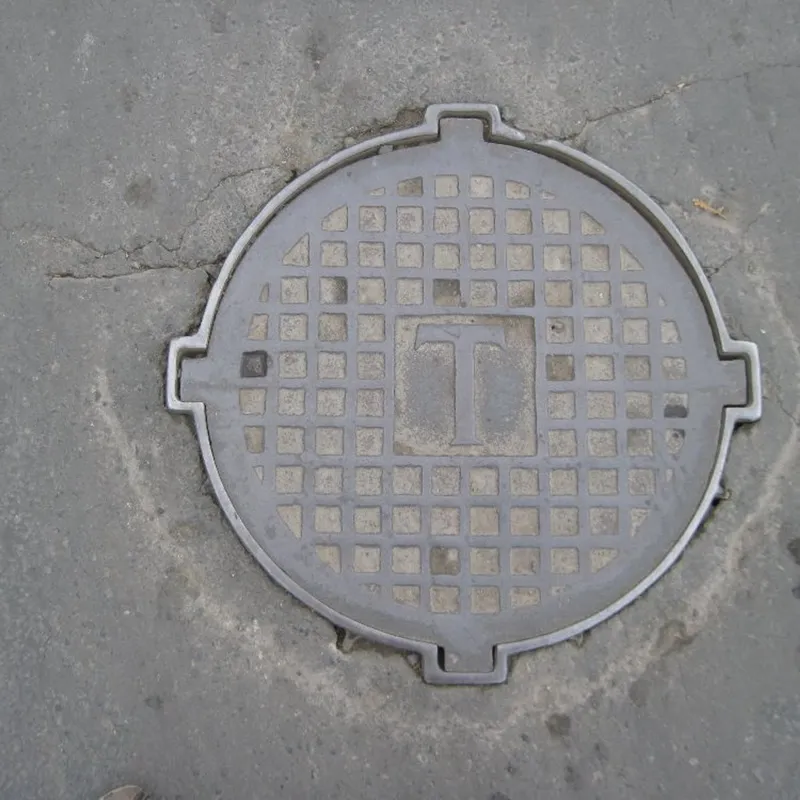
caryfukA round metal disc, embedded in grey asphalt, displays a central embossed letter 'T' surrounded by a grid pattern. Four symmetrical protrusions on the circumference suggest a robust construction, while the surrounding surface is marked by small cracks, indicating its long-term exposure to external elements. This specimen represents a typical example of urban infrastructure.
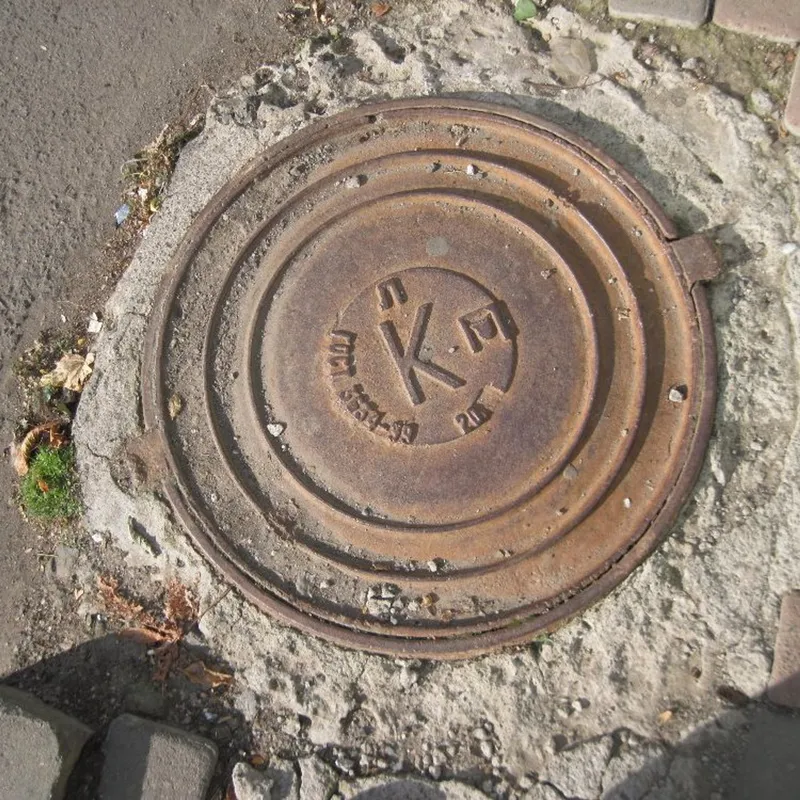
caryfukThe surface of this specimen shows a distinct corrosion patina, which indicates its long-term exposure to atmospheric influences. The central symbol 'K' with the accompanying alphanumeric characters 'ГОСТ 5534-99' and '205' indicate its functional inclusion in urban infrastructure. The surrounding concrete frame is partially eroded, which is typical of buildings of this type in urbanised environments.