Skip to content

Manhole covers in Corleone

caryfukcaryfuk
Corleone, Itálie
Manhole cover in Corleone, Itálie

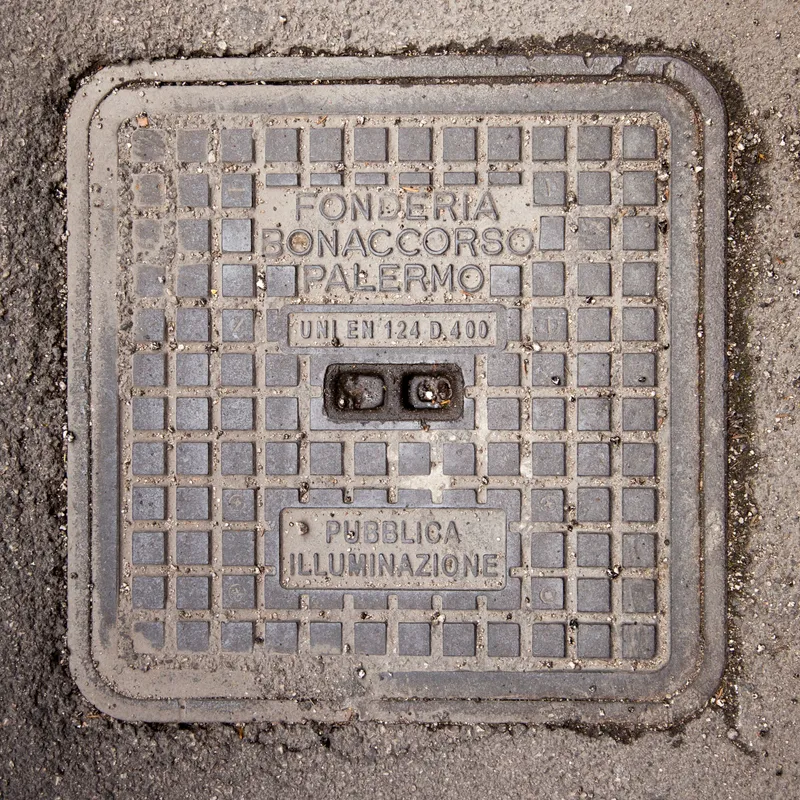
caryfukThe surface of this example clearly shows a grid pattern, which is accompanied by inscriptions referring to the manufacturer and purpose. The central part contains two depressions, probably for handling tools, and is surrounded by a rough asphalt surface. It is a remarkable artifact of urban infrastructure, testifying to Italian manufacture and a specific purpose for public lighting.
caryfukcaryfuk
Corleone, Itálie
Manhole cover in Corleone, Itálie

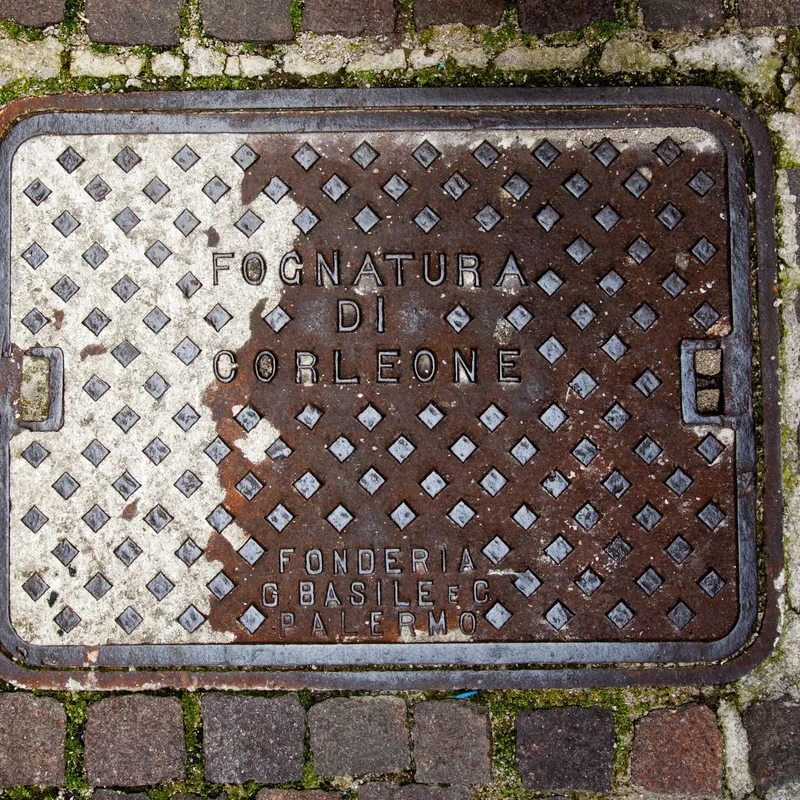
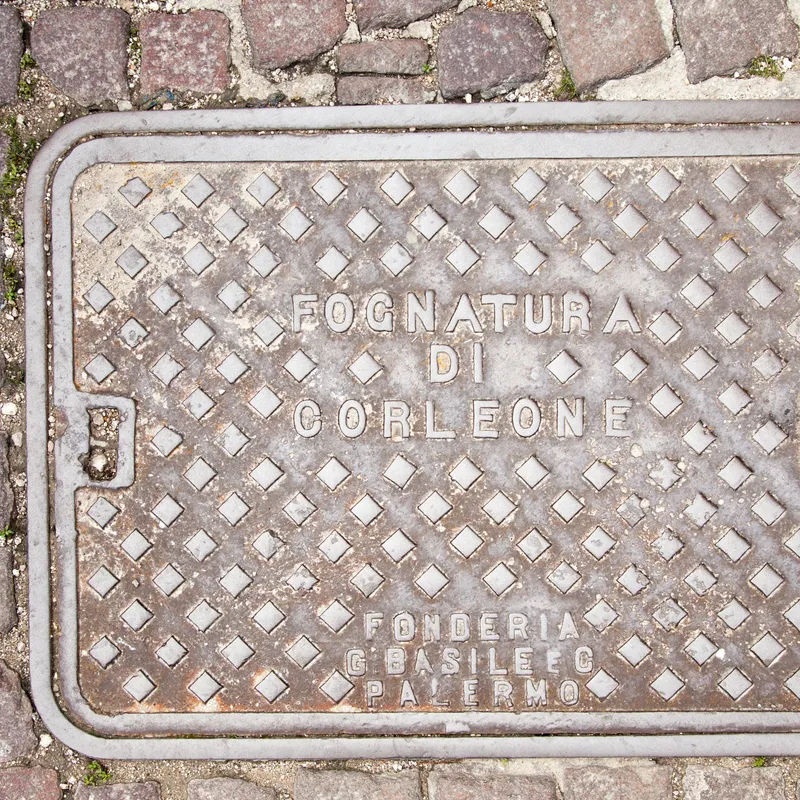
caryfukThis example of a cast iron slab exhibits the characteristic geometric pattern of diamonds typical of urban infrastructure. The central inscriptions 'FOGNATURA DI CORLEONE' reveal its origin and purpose, while the lower part identifies the manufacturer 'FONDERIA G. BASILE & C. PALERMO", a valuable datum for philological typology. The surrounding pavement of rough stones indicates the historical environment where this artifact was found, and its condition indicates a long exposure to the elements.

caryfukcaryfuk
Corleone, Itálie
Manhole cover in Corleone, Itálie

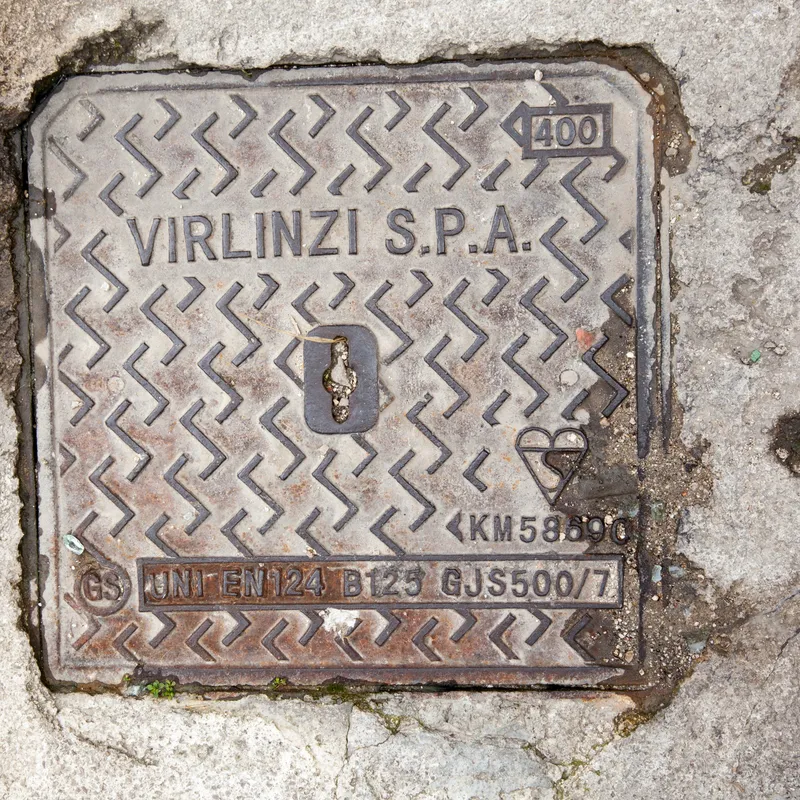
caryfukThe surface of this specimen features a distinctive geometric pattern of broken lines, which is complemented by the central inscription "VIRLINZI S.P.A.". The material, probably ductile cast iron, shows signs of surface corrosion, a common phenomenon in infrastructural elements exposed to the weather. At the bottom, the technical specifications are visible as 'UNI EN124 B125 GJS500/7', which allows us to classify this hatch in terms of its load-bearing capacity and material composition.

caryfukcaryfuk
Corleone, Itálie
Manhole cover in Corleone, Itálie

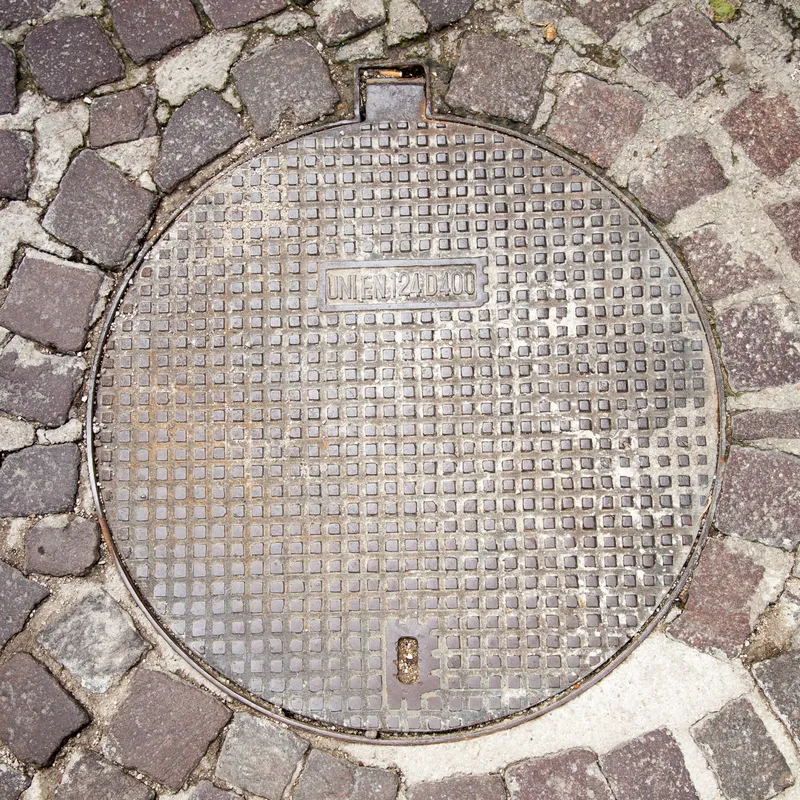
caryfukA grid pattern of small squares covers this specimen, which is surrounded by irregular paving stones. The central inscription UNI EN 124 D400 clearly identifies its classification, which is a key taxonomic datum for the Institute of Lidology. The surface shows signs of wear, testifying to its long-term service in an urban environment.

caryfukcaryfuk
Corleone, Itálie
Manhole cover in Corleone, Itálie

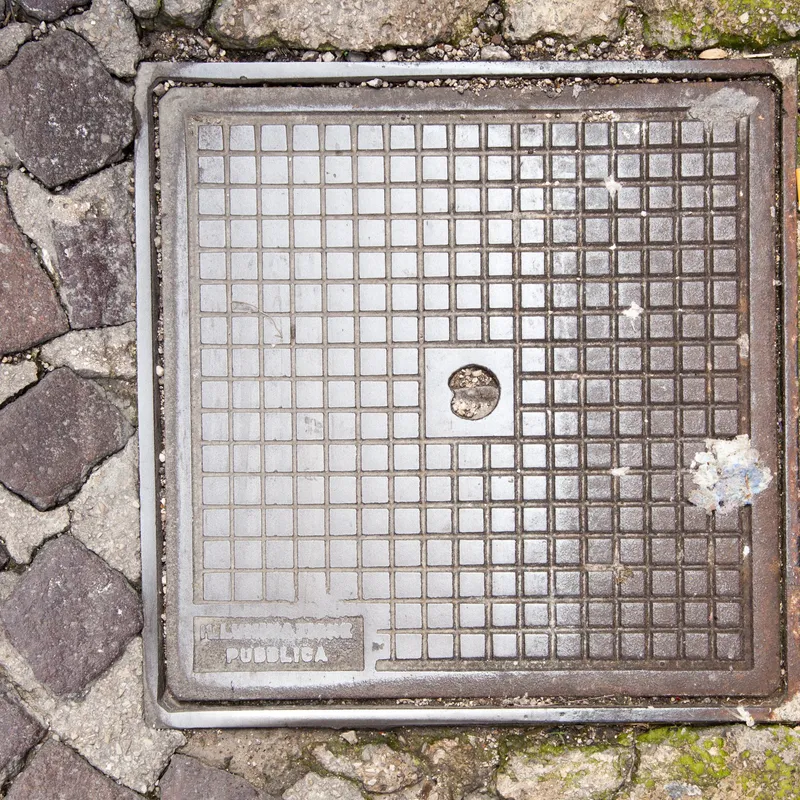
caryfukOn the surface of the square metal specimen, a grid pattern dominates, which is disrupted by prominent inscriptions. A patina of rust testifies to long-term exposure to the elements, which is typical for urban infrastructural elements. Detailed analysis reveals specific manufacturer and purpose markings, allowing its classification within a lidological taxonomy.

caryfukcaryfuk
Corleone, Itálie
Manhole cover in Corleone, Itálie

caryfukThe grid pattern on the surface of this specimen exhibits a regular geometric structure, typical for urban infrastructure. On the lower part, the inscription "ILLUMINAZIONE PUBBLICA" is visible, indicating its affiliation with public services, probably lighting, as a detailed analysis by the Institute of Lidology would confirm.

caryfukcaryfuk
Corleone, Itálie
Manhole cover in Corleone, Itálie

caryfukOn the surface of this specimen, a repeating geometric pattern of diamonds is spread, which is disrupted by prominent inscriptions. A patina of rust and wear testifies to its long-term exposure in an urban environment, which gives the artifact a characteristic texture. The surrounding paving of rough stones with encroaching greenery suggests its integration into a historical context.

caryfukcaryfuk
Corleone, Itálie
Manhole cover in Corleone, Itálie

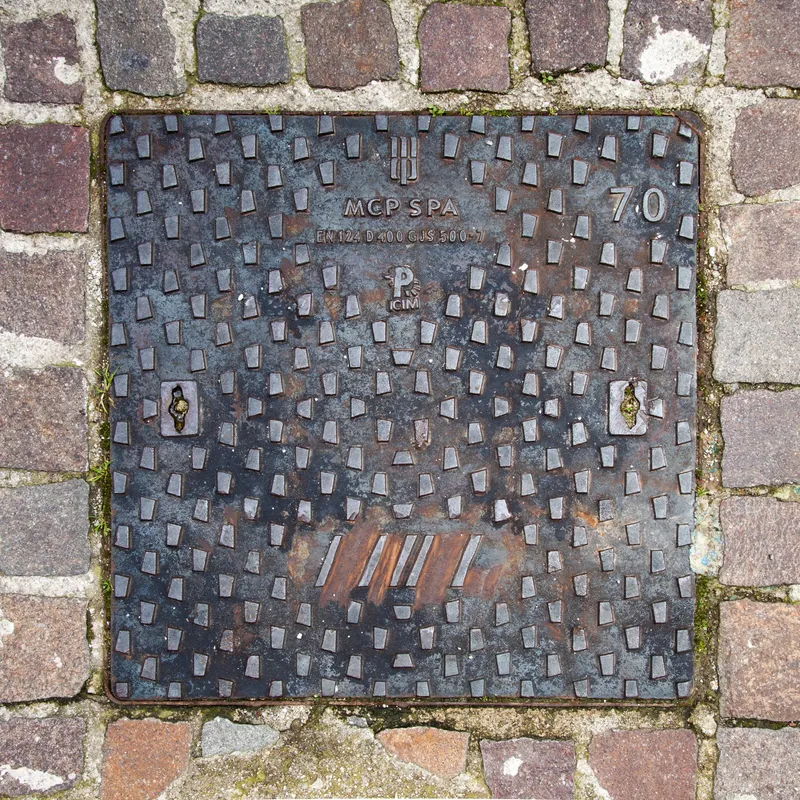
caryfukThe surface of this specimen, surrounded by paving stones, shows a distinct geometric pattern of small rectangular protrusions that appear to serve to provide traction. Inscriptions such as 'MCP SPA' and 'EN 124 D 400 GJS 500-7' provide key taxonomic information, always a pleasing find for the Institute of Lidology, although the exact purpose of the hatch remains a matter for further research.

caryfukcaryfuk
Corleone, Itálie
Manhole cover in Corleone, Itálie

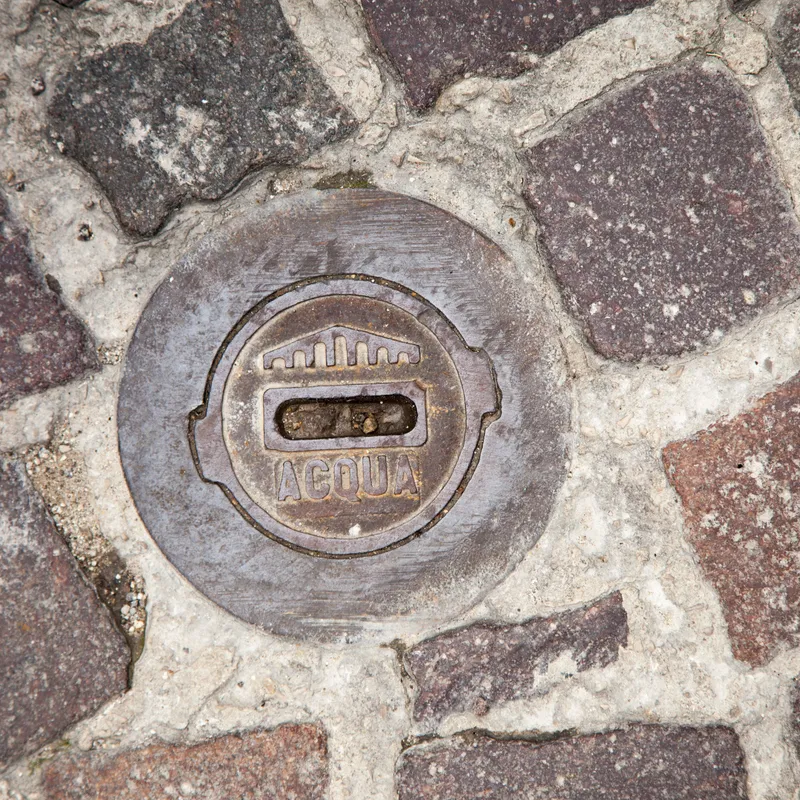
caryfukThe central relief with the inscription ACQUA clearly identifies the function of this specimen as an access point to the water supply network. The stylized pattern resembling an aqueduct or a building above the text is a characteristic design element. The surface, surrounded by rough stone tiles, bears traces of long-term use and oxidation, which gives the whole a historical character.

caryfukcaryfuk
Corleone, Itálie
Manhole cover in Corleone, Itálie

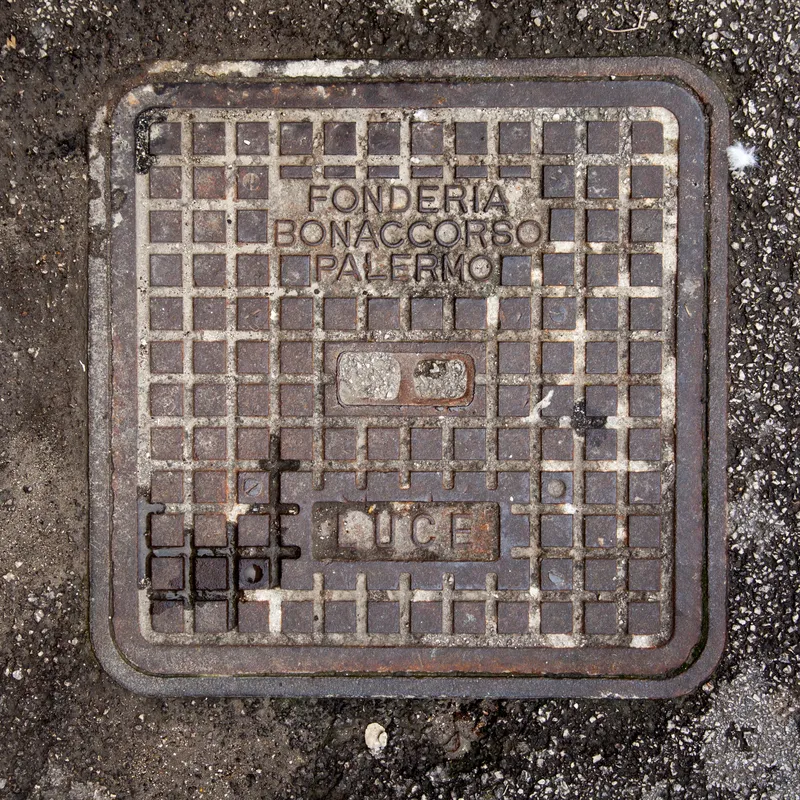
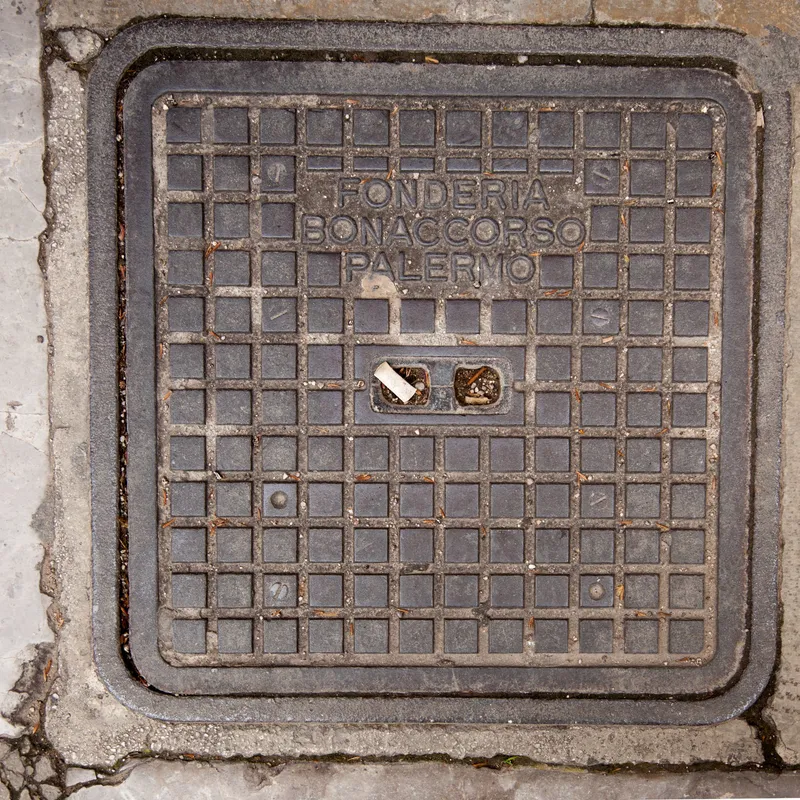
caryfukA square grid pattern dominates the surface of this specimen, providing structural integrity and a slip-resistant texture that is typical of urban infrastructure. The distinctive inscriptions 'FONDERIA BONACCORSO PALERMO' clearly identify the producer and the place of origin, a valuable indication for philological classification. A discarded cigarette butt and minor debris are visible in the central depression, indicating its daily exposure to urban traffic.

caryfukcaryfuk
Corleone, Itálie
Manhole cover in Corleone, Itálie

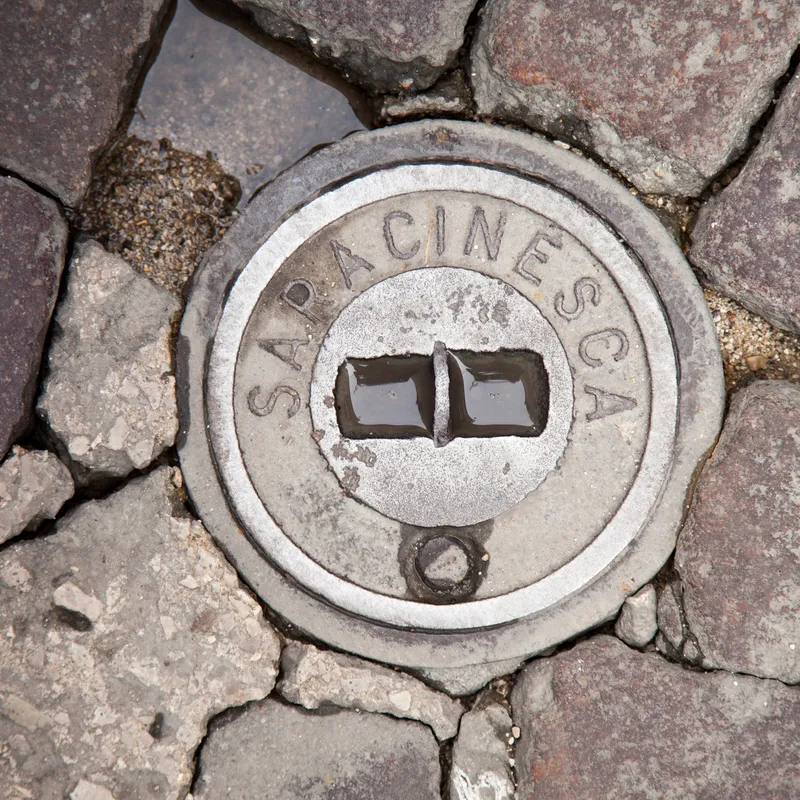
caryfukA circular metal plate, set into rough cobblestones, bears the inscription 'SARACINESCA' at the top. A central pair of rectangular openings, partially filled with water, suggests a specific functional configuration. This specimen, as the Institute of Lidology would confirm, exhibits typical signs of wear corresponding to its placement in an urban environment.

caryfukcaryfuk
Corleone, Itálie
Manhole cover in Corleone, Itálie

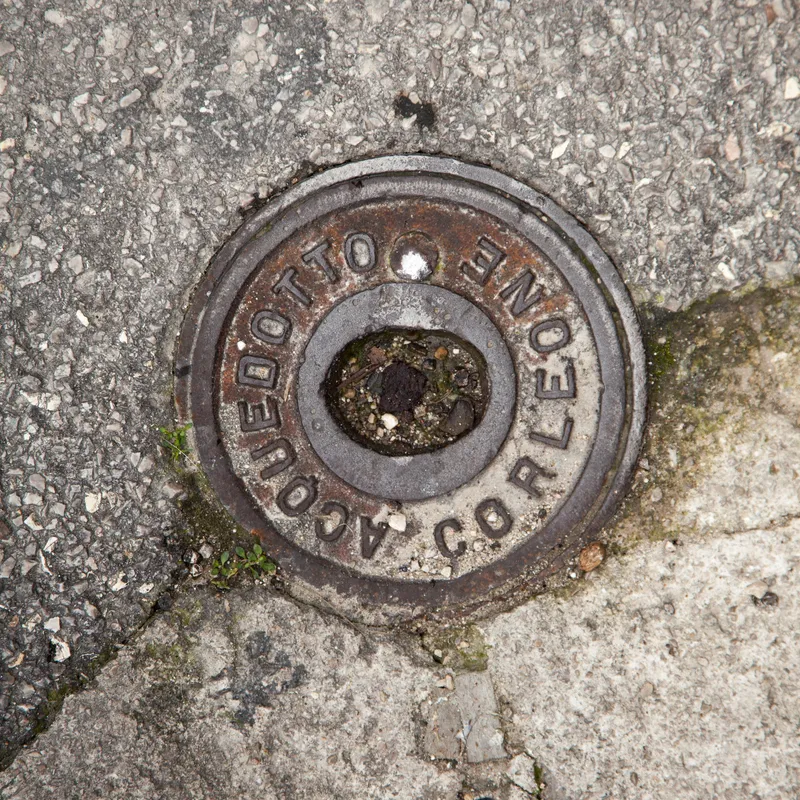
caryfukSignificant corrosion and fragments of gravel in the central hole of this specimen provide valuable data for taphonomic analysis of the urban environment. The inscription 'ACQUEDOTTO CORLEONE' clearly identifies its historical affiliation to the water supply network. It is remarkable how this artefact has become an integral part of the surrounding coarse concrete and moss, indicating its long-term exposure.

caryfukcaryfuk
Corleone, Itálie
Manhole cover in Corleone, Itálie

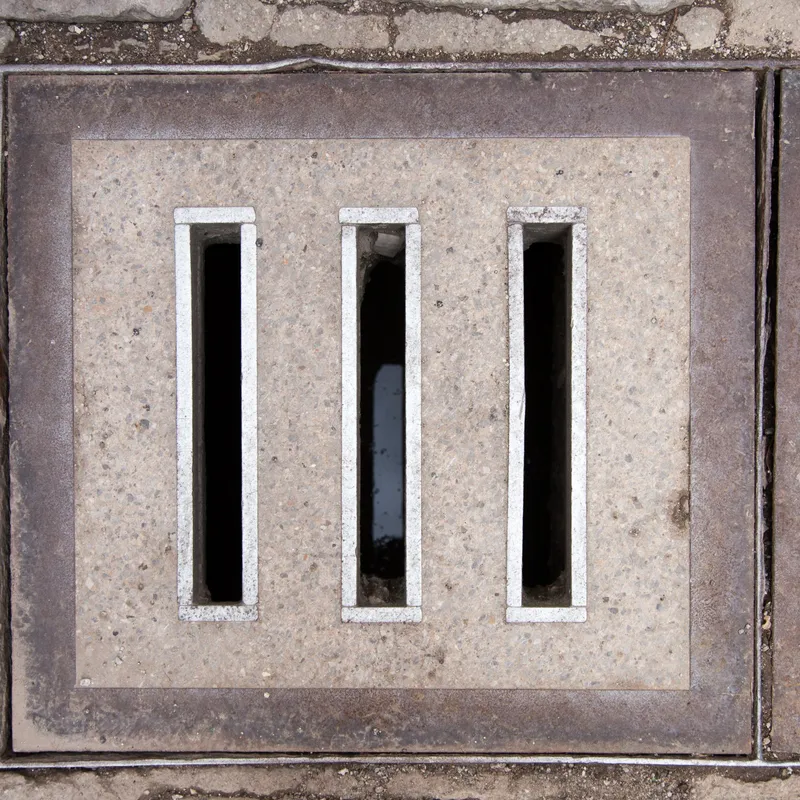
caryfukA rectangular concrete slab, set into a rusty metal frame, is perforated by three vertical slots that serve for drainage. The aggregate in the concrete is fine-grained, which suggests a specific formulation for surface applications. The surrounding paving of coarse concrete and stone underscores the utilitarian character of this specimen, which is a typical representative of urban infrastructure.