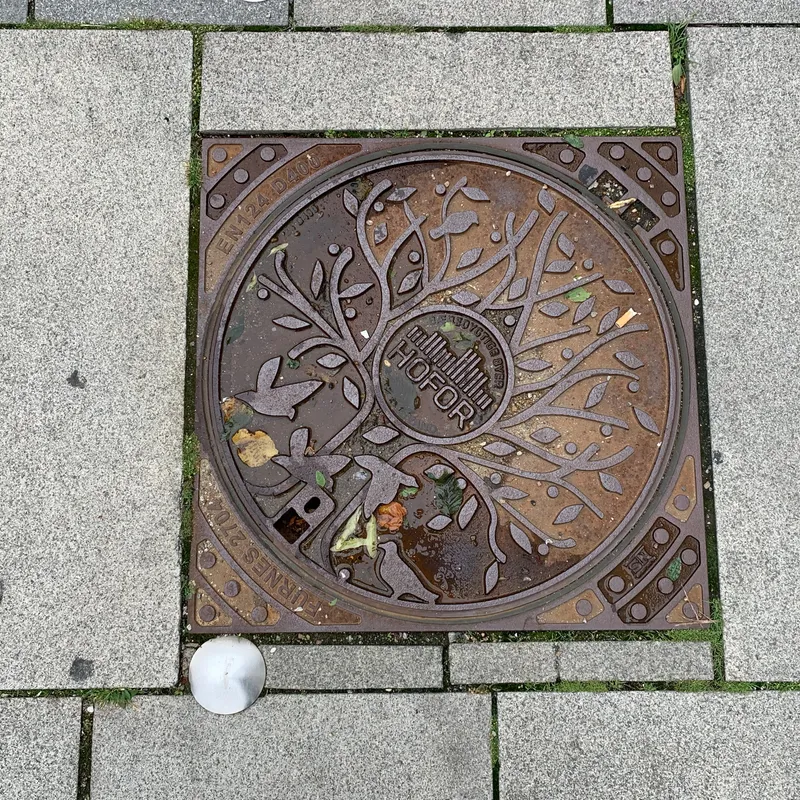
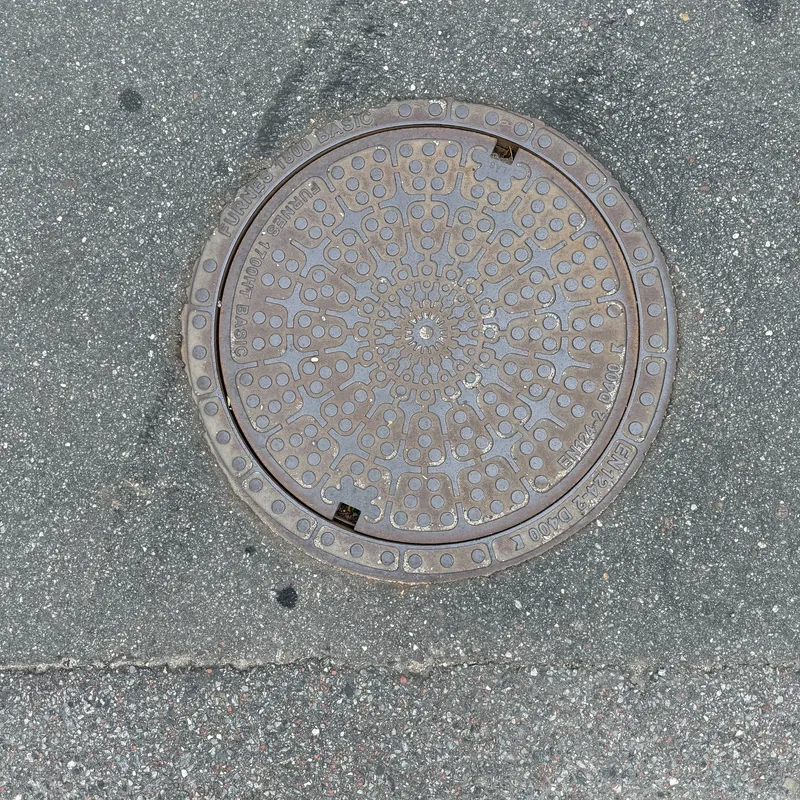
caryfukThis example of cast iron infrastructure is dominated by a complex tree motif with branching roots and leaves, suggesting a deep connection to nature or ecological principles. The central circular element bears the inscription 'HOFOR' and 'VEDYGTIGE BYER', which could refer to sustainable urban solutions. The perimeter is marked with the standards 'EN 124 D400' and the identifier 'FURNES 2704', which is key to the Institute of Lidology's classification.
DKManhole covers in Denmark
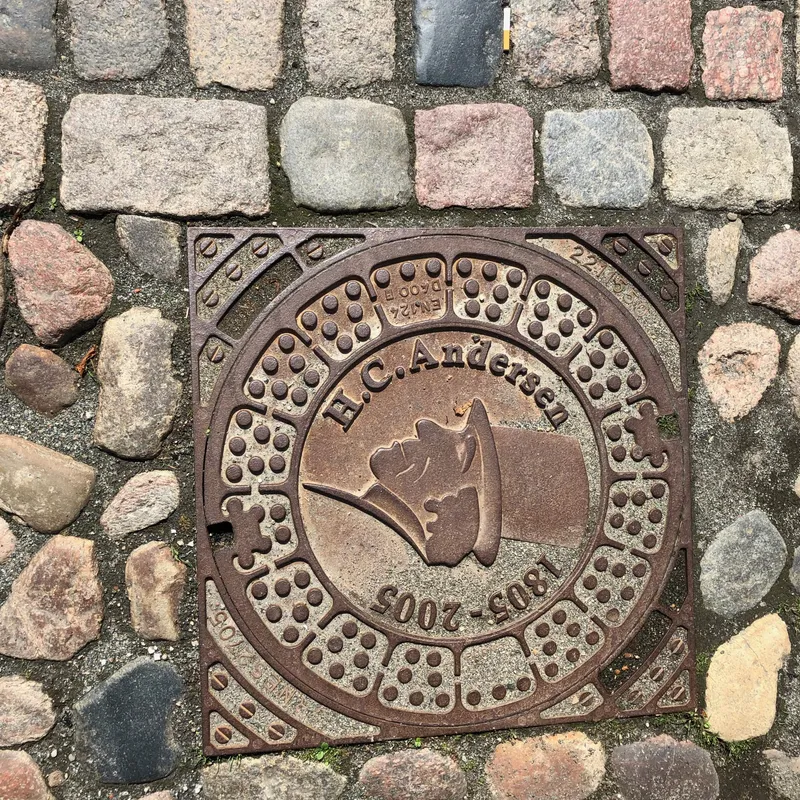
caryfukRelief portrait bust, probably H.C. Andersen, dominates this example of a cast-iron hatch set into a cobbled path. The surrounding cobblestones, varied in color and shape, suggest the historical context of the placement. The Institute of Lidology would note that the 1805-2005 dates on the hatch clearly refer to significant anniversaries, making it a commemorative artefact rather than a mere functional piece of infrastructure.
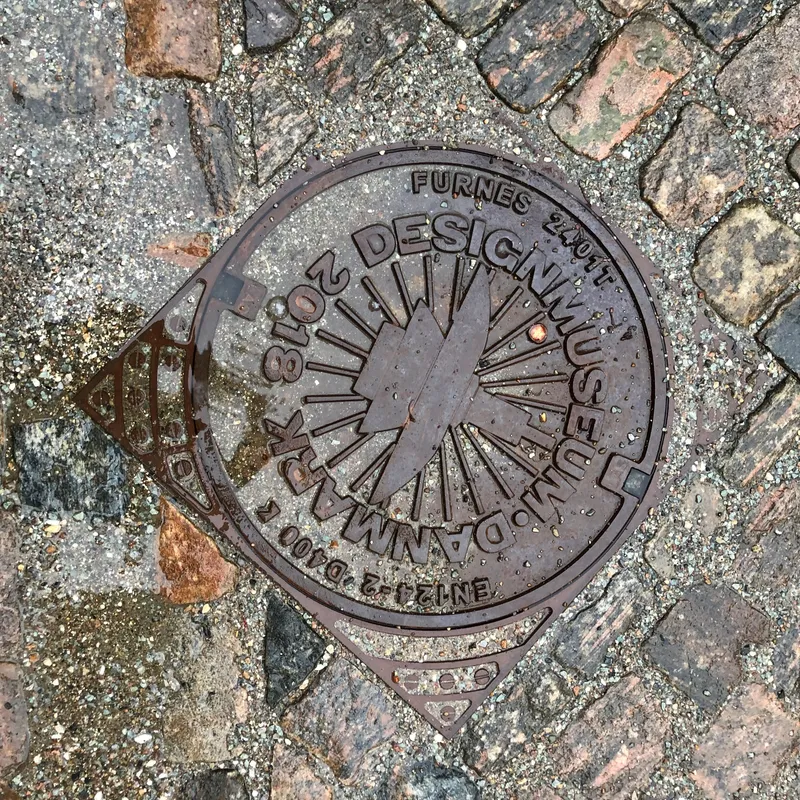
caryfukThe circular metal disc, set in wet pavement, bears an intricate embossed design with a central motif of a stylised sun or star. The inscriptions 'DESIGNMUSEUM DANMARK 2018' and 'FURNES' wind around it, making this example one of the most remarkable examples of urban art cast. The Institute of Lidology would certainly appreciate its aesthetic and functional integrity, despite its noticeable patina.
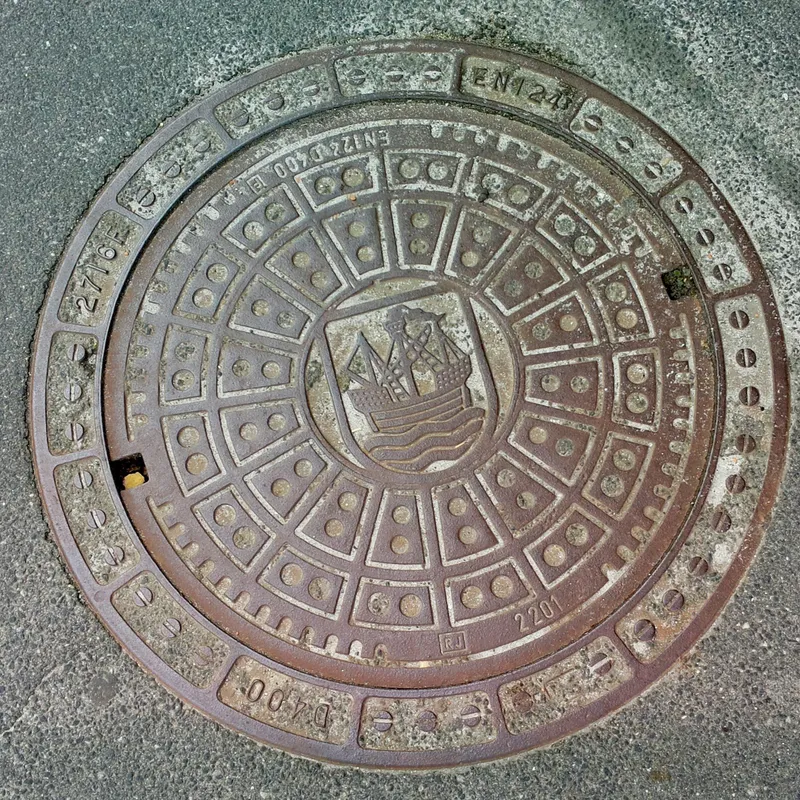
etienne-van-den-homberghThe coat of arms consists of a ship. The deeper meaning according to Heraldry of the World is that a ship also refers to the patron saint of the city AND patron of the boatmen's guild, and that is Olaf or Olof as he is called in the Netherlands.
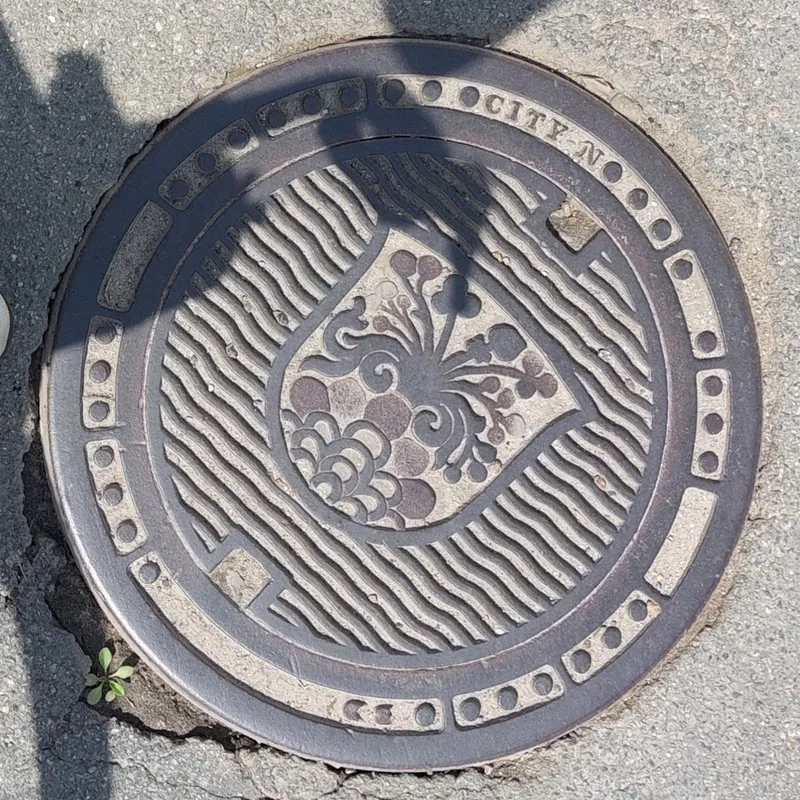
etienne-van-den-homberghThe coat of arms was used by the municipality from 1970 to 2007. The apple refers to the first part of the name Ebeltoft or old-fashioned Æbeltoft; æbler are apples.
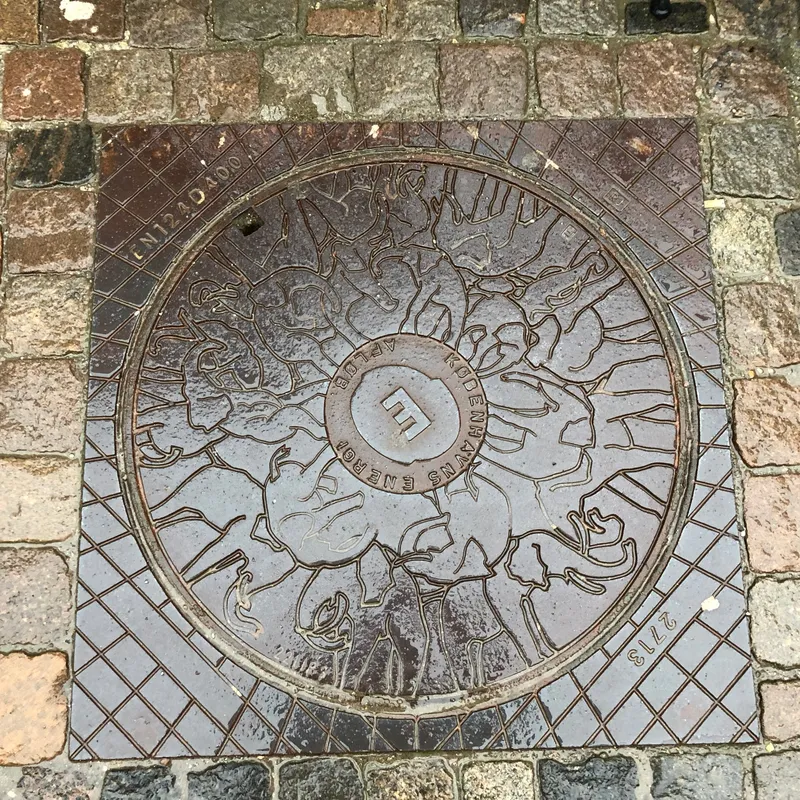
caryfukAn intricate relief of wild pigs spreads across the surface of this specimen, presenting an unexpected but visually captivating interpretation of urban fauna. The central circle bears the inscription 'KØBENHAVNS ENERGI AFLØB' and the designation 'EN124 D400', which, according to the analysis of the Institute of Humanology, confirms its robust construction and specific purpose in Copenhagen's infrastructure. The number '2713' at the bottom gives this artefact a unique identification.
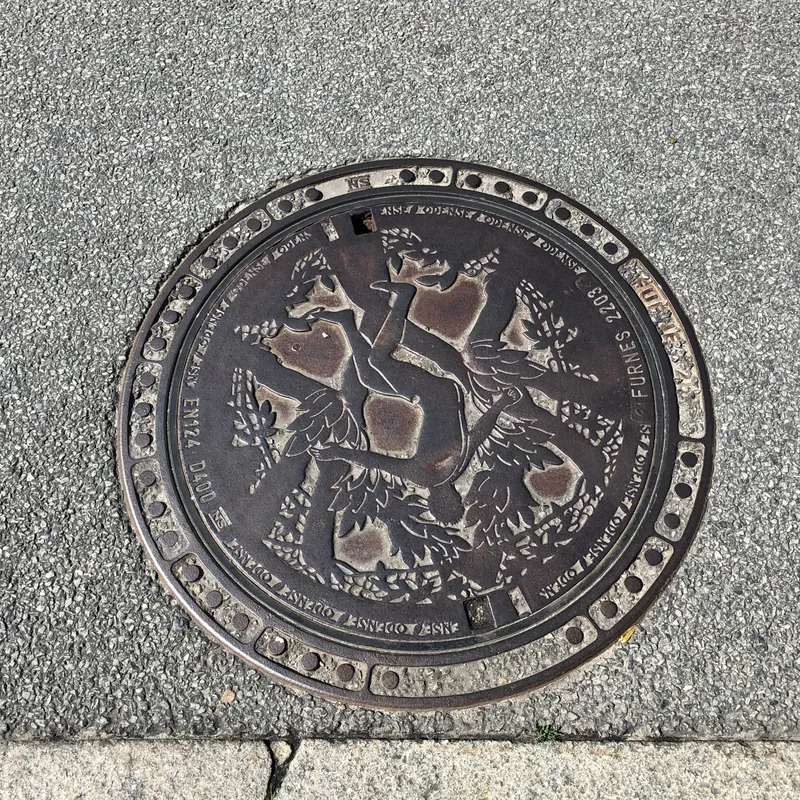
caryfukThe central relief of this specimen depicts a stylized figure intertwined with rich vegetation, evoking themes of nature and growth. The inscriptions 'ODENSE' and the technical designation 'EN124 D400' are repeatedly stamped around the perimeter to classify its load-bearing capacity. The presence of the name "FURNES" and the code "2203" indicates a specific manufacturer and model, a valuable indication for philological typology.
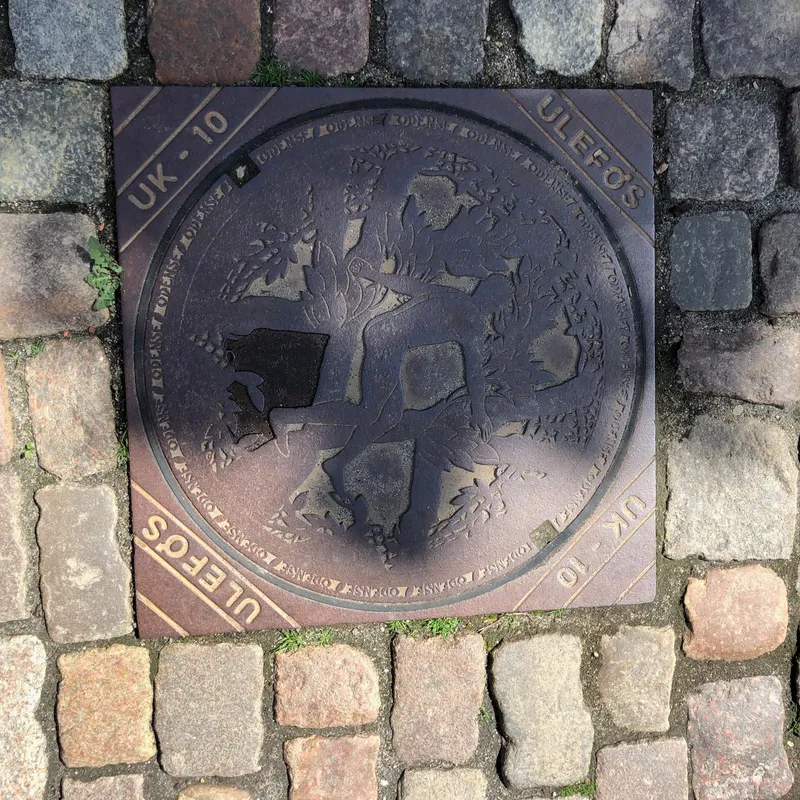
caryfukThis example of urban infrastructure is dominated by an intricate relief motif of a figure with lush vegetation, suggesting a deeper artistic intention than mere utilitarian function. The rim is flanked by the repeating inscription 'ODENSE', a geographical reference to the Danish city, while the markings 'UK - 10' and 'ULEFOS' provide valuable clues to its origin and specification. The entire artefact is set in a pavement of irregular stone cubes, emphasising its historical context and integration into the urban environment.
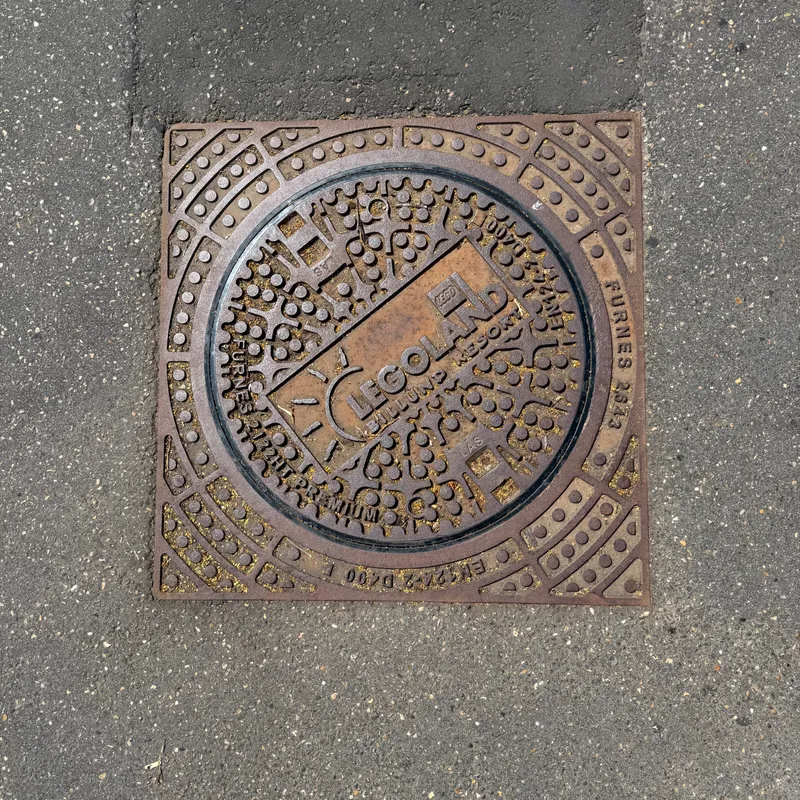
caryfukA detailed analysis reveals a unique manhole cover featuring a prominent LEGOLAND BILLUND RESORT logo, classifying it as a specialized infrastructure element. The surface is decorated with a geometric pattern reminiscent of building blocks, which the Institute of Ludology considers an interesting example of thematic design. The presence of the EN124-2 D400 E standard and the manufacturer FURNES provides valuable data for classifying this object.
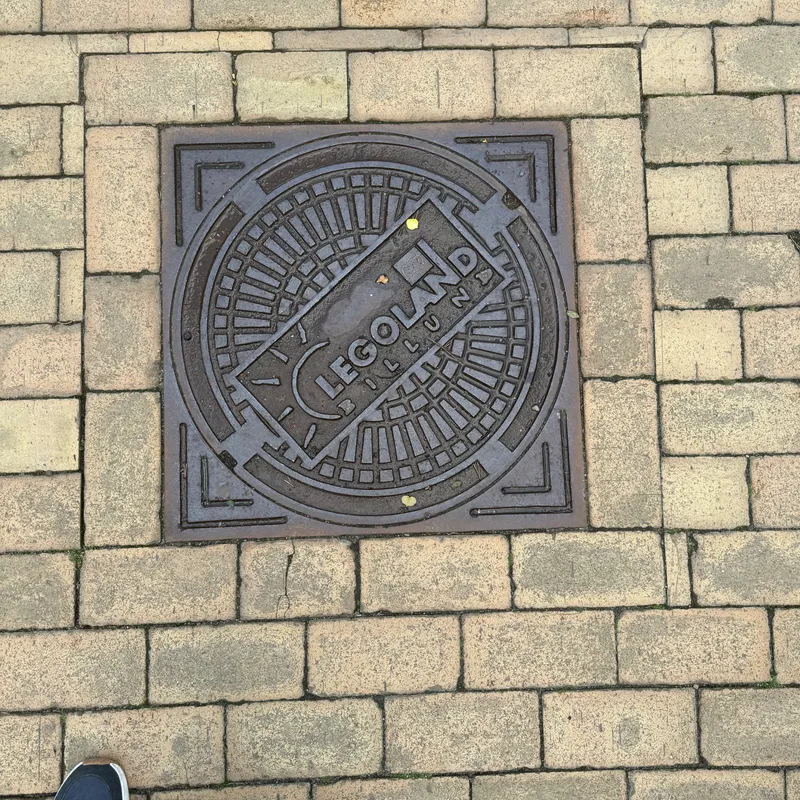
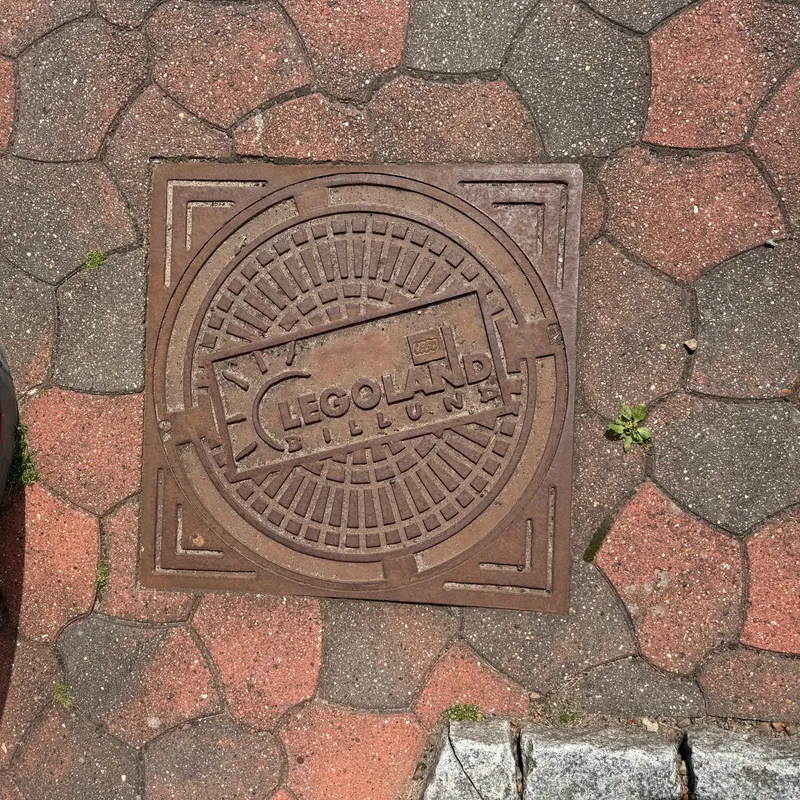
caryfukThe surface of this piece features a prominent “LEGOLAND” inscription, accompanied by the year 2007 and a small brick logo, indicating its specific thematic context. The circular relief with radial segments is set within a square frame, surrounded by irregular tiles in shades of red and gray. The Institute of Ludology is pleased to note this unique combination of functionality and thematic design, typical of modern recreational areas.
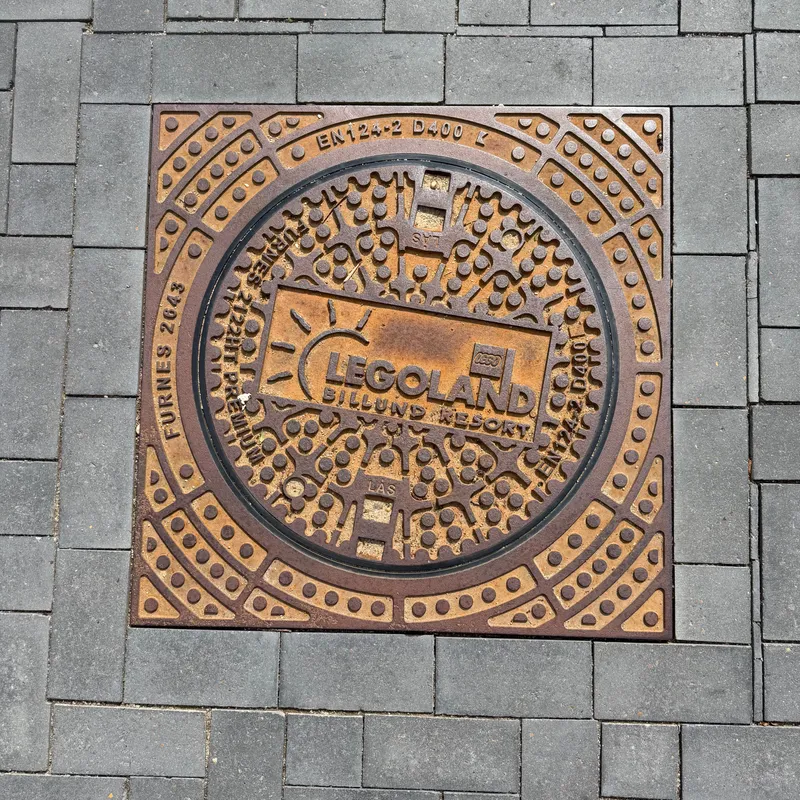
caryfukThe detailed relief on this specimen, featuring the prominent LEGOLAND BILLUND RESORT logo, immediately indicates its specific geographical and functional affiliation, which is key to the Institute of Ludology’s topological analysis. The technical specifications EN124-2 D400 K and the manufacturer’s identification FURNES 2643 provide valuable data for categorizing load classes and provenance. The surrounding paving, consisting of gray rectangular blocks, forms a standard context for this type of urban infrastructure.
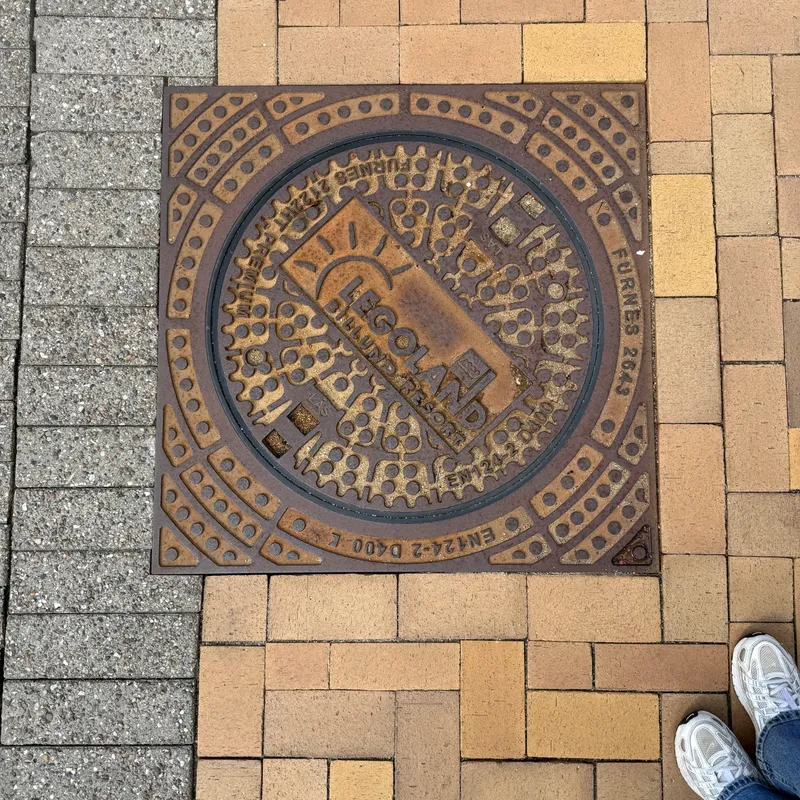
caryfukThe surface of this cast-iron manhole cover is dominated by the inscriptions “LEGOLAND” and “BILLUND,” which immediately reference its geographic and thematic context. The central motif of a stylized sun and gears, complemented by repeating circular patterns, represents a fascinating example of the integration of corporate identity into urban infrastructure, which is the subject of intensive study by the Institute of Ludology. Slight corrosion and sand deposits in the relief attest to its active use in a high-traffic environment, while the robust malleable cast iron construction complies with the D400 standard.
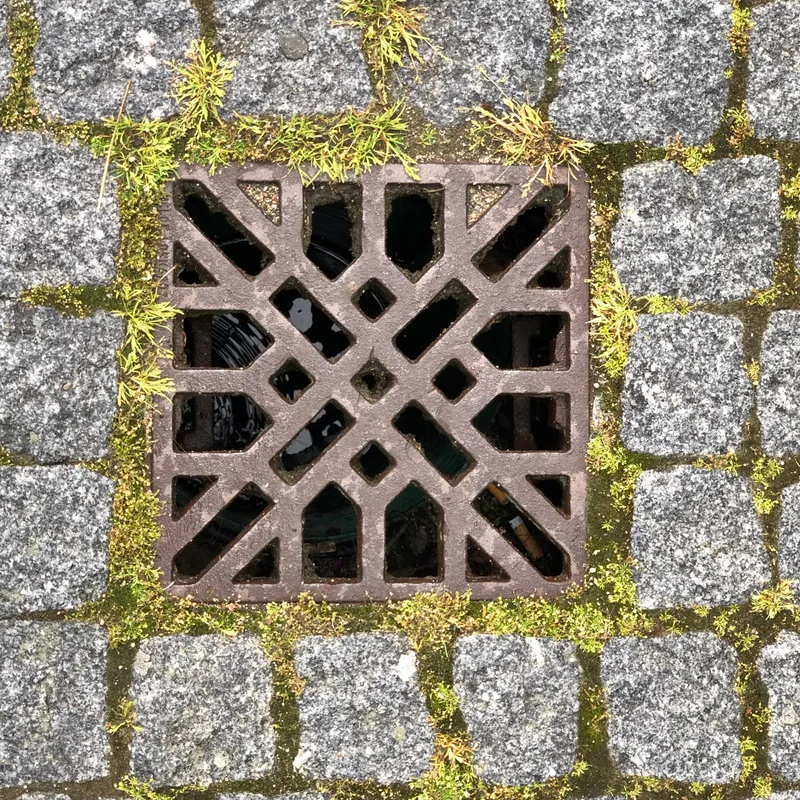
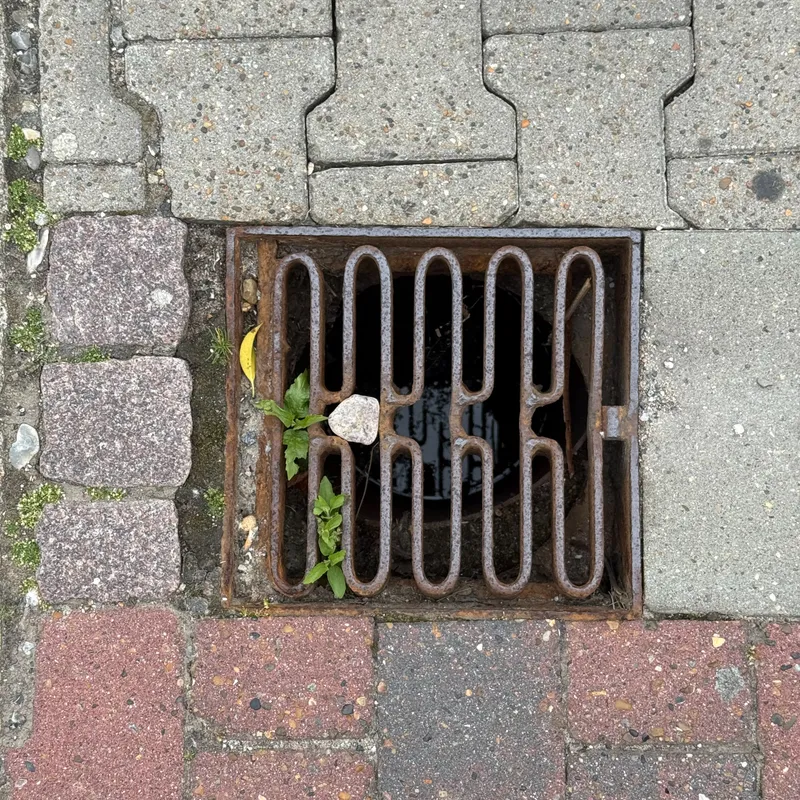
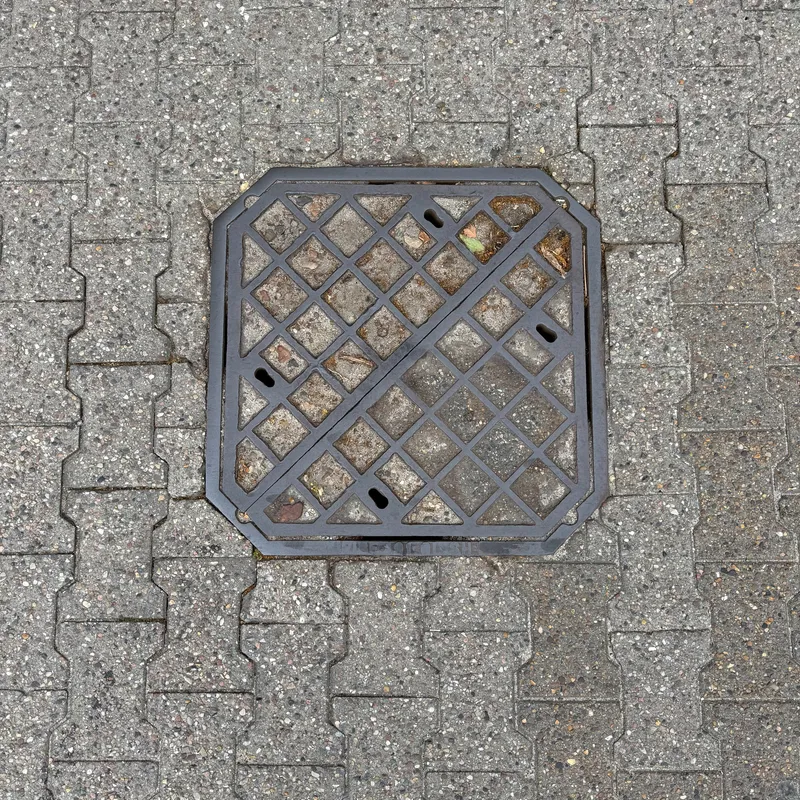
caryfukIn the centre of the paved area of grey granite cubes is a square cast-iron grate, whose ornamental grid shows a remarkable geometric symmetry. Vital vegetation flourishes between the joints of the paving and the edge of the grid, suggesting a long-standing interaction between the urban element and the natural environment. Below the surface of the grating, reflections of the water surface can be seen, which is typical of this type of urban artefact, as often emphasised by the Institute of Lidology in its field studies.
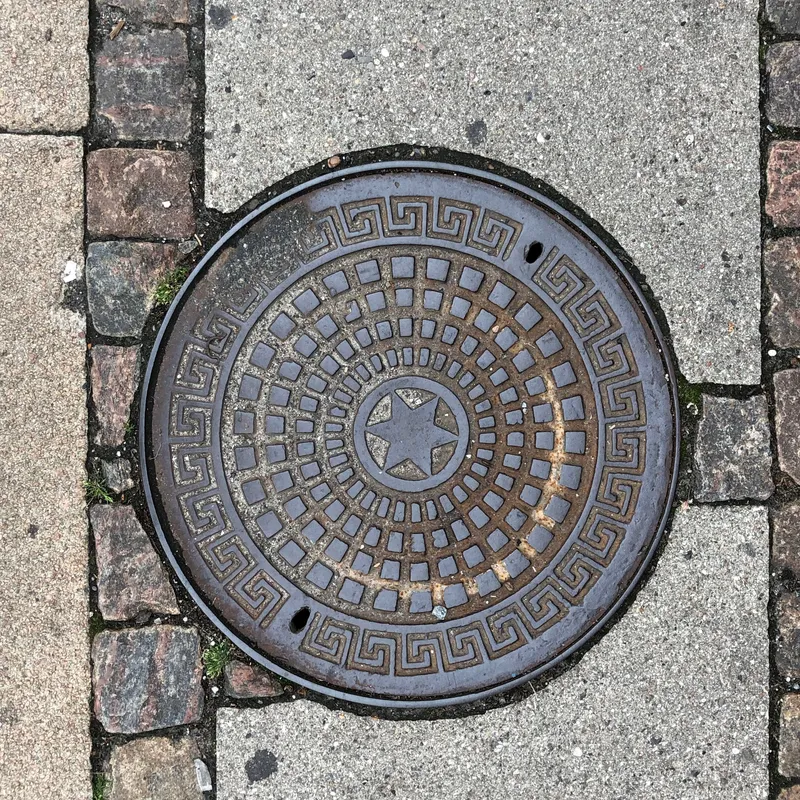
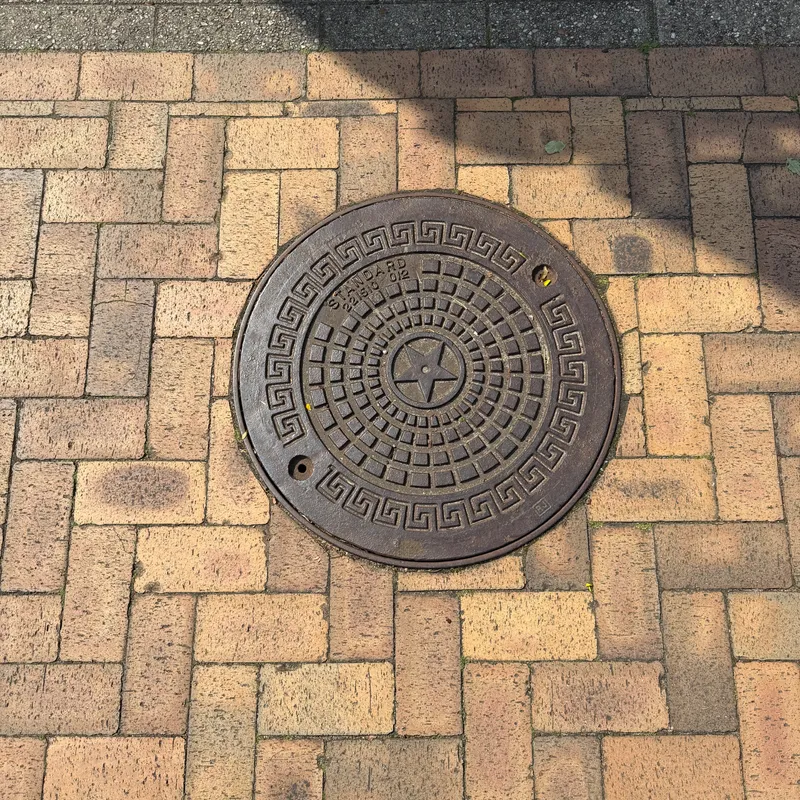
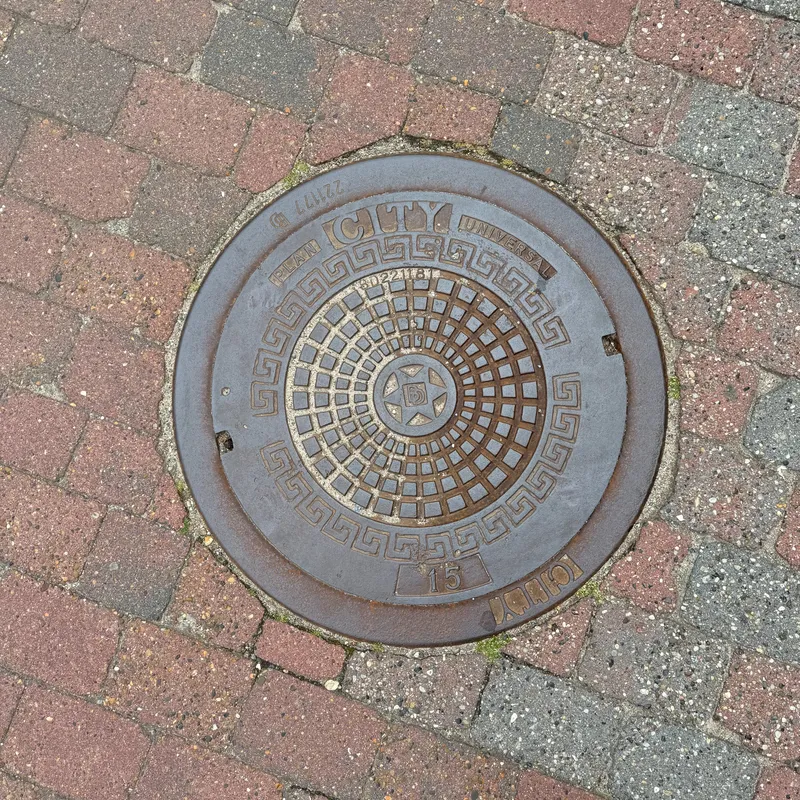
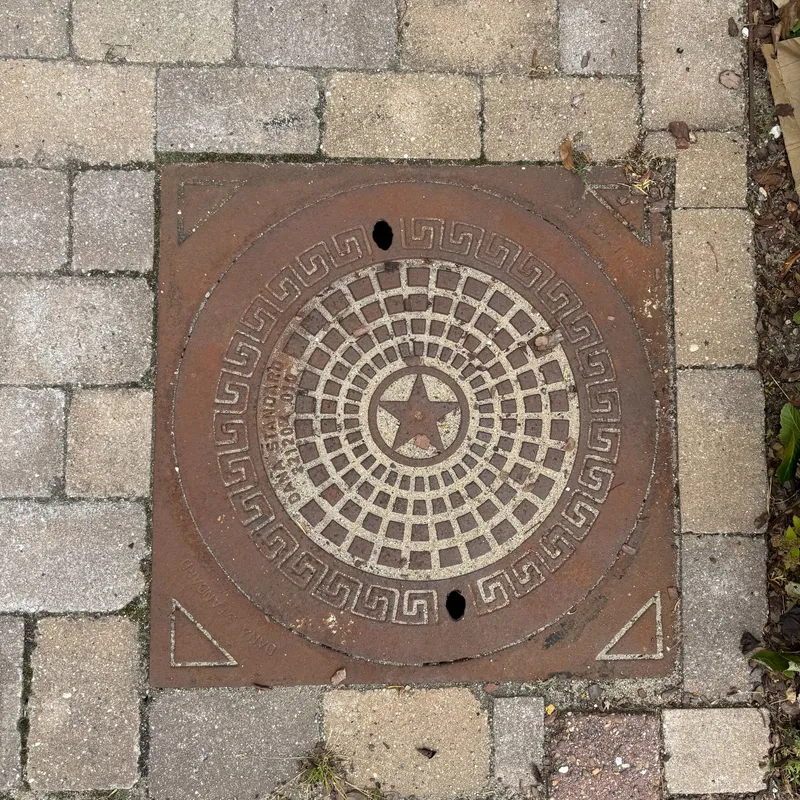
caryfukIn the center of this specimen, there is a five-pointed star, surrounded by concentric circles of square segments. The outer edge is adorned with a geometric meander pattern, reminiscent of ancient Greek motifs. The entire artifact is set into a combination of rough concrete and irregular paving stones, which suggests its long-term exposure to an urban environment.
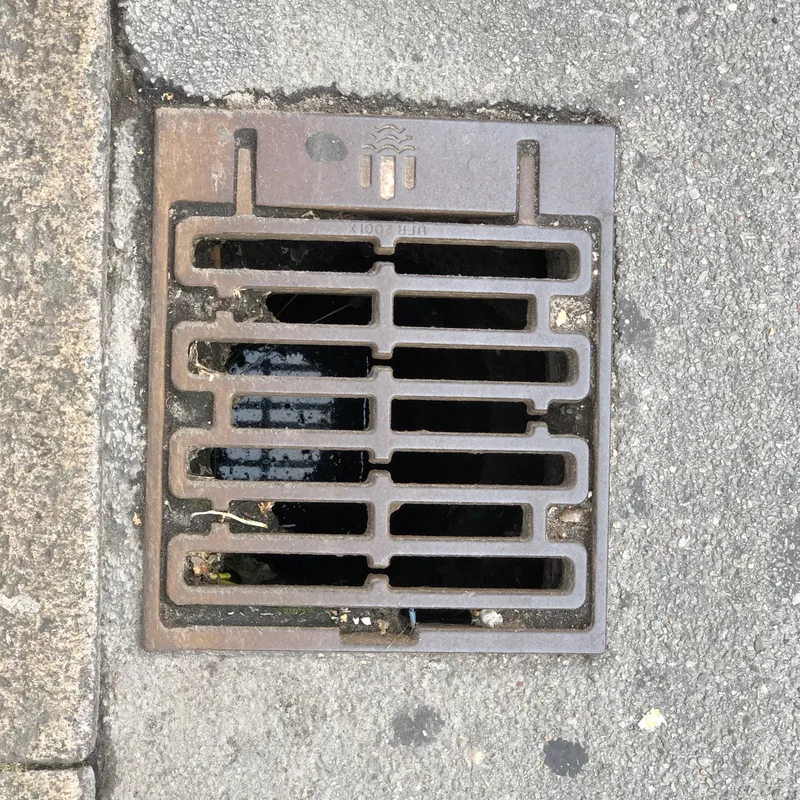
caryfukThe grid pattern of this specimen, made up of rectangular openings, effectively directs surface water into the underground system. A stylized logo with waves above three vertical columns is visible at the top, which, according to preliminary analyses by the Institute of Lidology, could symbolize water infrastructure. The inscription "UFR 2001 X" on one of the partitions then suggests either a model designation or a year of standardization, which is key to the dating of this artifact.
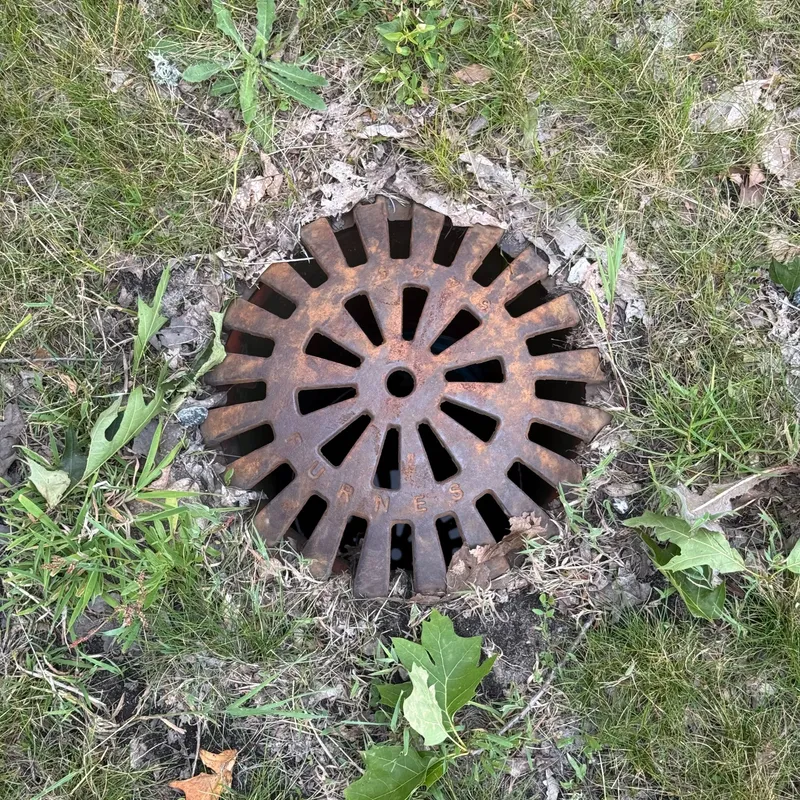
caryfukThe radial arrangement of ribs on this specimen of a cast iron manhole cover, typical for drainage systems, shows signs of long-term exposure to atmospheric influences. The inscription 'FURNES' and other alphanumeric characters 'S 4 A S' provide key data for taxonomic classification within the collections of the Institute of Lidology.
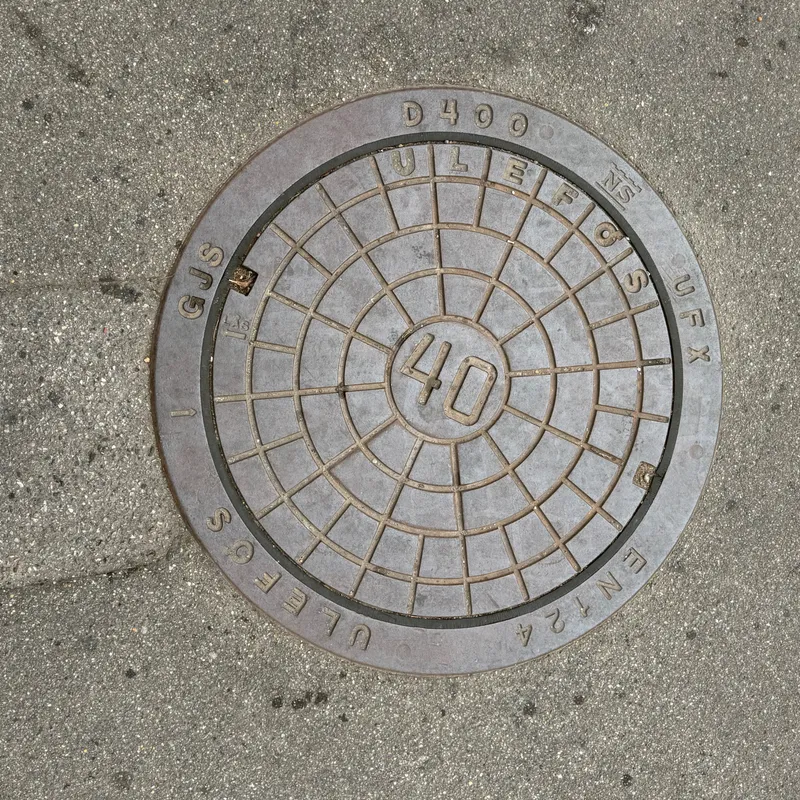
caryfukRadial and concentric segments form the robust grid of this specimen, with the central marking “40” serving as a key identifying feature. Alphanumeric codes such as 'D400,' 'EN124,' and 'ULEFOS' are carefully stamped around the circumference; the Institute of Lidology systematically analyzes these to determine technical specifications and origin. The presence of the 'GJS' mark further specifies the material composition, which is essential for our typology.
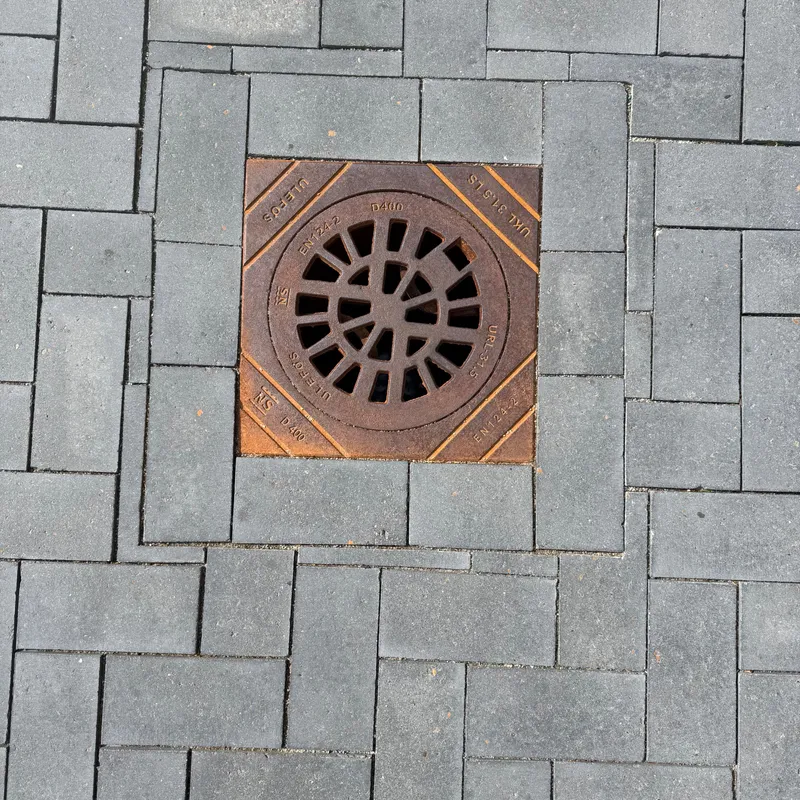
caryfukA central grid pattern with numerous perforations dominates this specimen, indicating its primary function in drainage systems. The inscriptions "FURNES" and "EN124-2 D400A" provide critical morphological and classification data for the documentation of the Institute of Lidology. Surface oxidation is evident, consistent with its material composition.
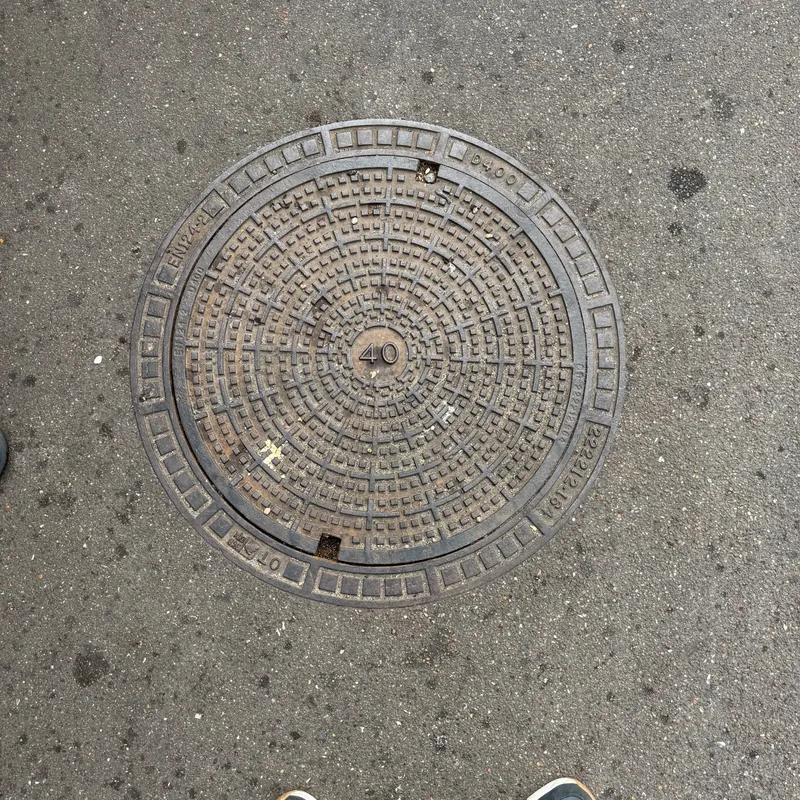
caryfukThe central circular segment of this specimen bears the numerical designation “40,” which, according to the methodology of the Institute of Ludology, indicates a specific classification within the urban infrastructure. The surrounding radial and concentric patterns, composed of small square and rectangular elements, demonstrate a robust engineering design optimized for heavy loads. The EN124-2 standard markings and D400 classification are visible on the perimeter, confirming its intended use for high-traffic areas.
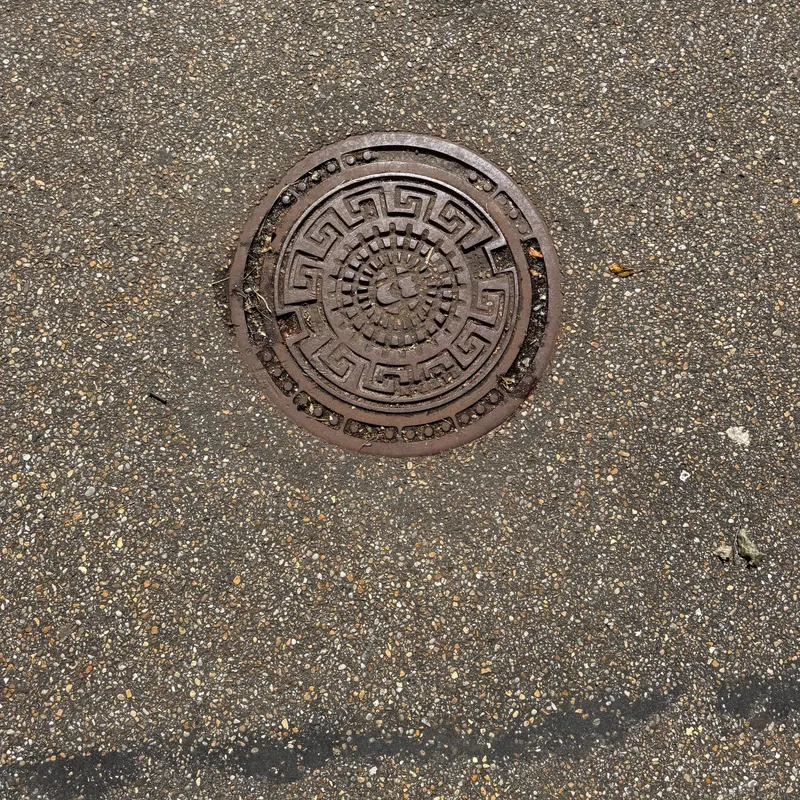
caryfukThe surface is covered with a complex geometric pattern, reminiscent of a meander, which is centered around a circular motif. This specimen, carefully documented by the Institute of Ludology, exhibits characteristic signs of wear and oxidation typical of cast-iron artifacts exposed to an urban environment. Its design suggests a deliberate aesthetic value beyond mere functionality.
caryfukA radial geometric pattern featuring concentric circles and regular perforations is a typical design for heavy-duty infrastructure. According to the methodology of the Institute of Ludology, this specimen is classified as D400, which attests to its robust construction. Inscriptions such as “FURNES” and “EN 124” provide essential data for its precise typology and origin.
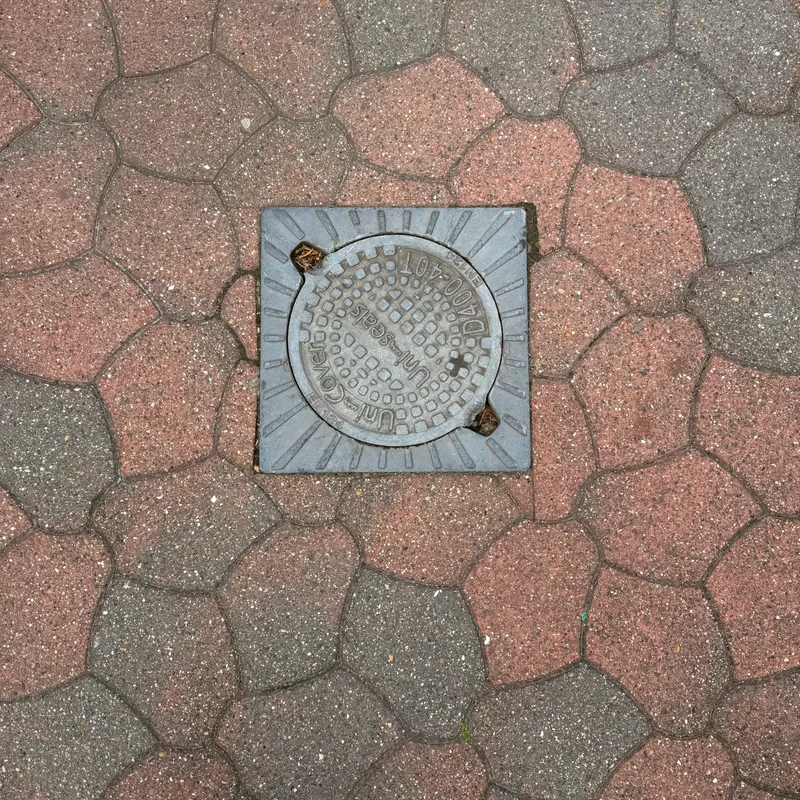
caryfukA circular texture with a regular grid of squares dominates the central element of this paving, bearing the designation 'Uni-seals' and classified as D400 according to EN124 standard. This specimen, carefully documented by the Institute of Lidology, represents a typical example of a robust engineering solution for high loads in urban environments.
caryfukThis specimen, carefully documented by the Institute of Ludology, is a typical square drainage grate set into a mosaic of interlocking pavers with a granular texture. The central circular insert, featuring longitudinal openings and small protrusions, bears key identification markings that allow for the precise classification of this artifact within the context of urban infrastructure. The inscriptions “Uni-Cover D400-40T EN124” clearly specify the manufacturer and load class, which is crucial for our study.
caryfukA rusted surface, set into a mosaic of red and grey hexagonal tiles, bears a prominent embossed inscription 'LEGOLAND'. A radial geometric pattern surrounds the central rectangular area, which, according to an analysis by the Institute of Humanology, indicates its specific function within the theme park. This specimen represents an interesting example of specialized urban equipment.
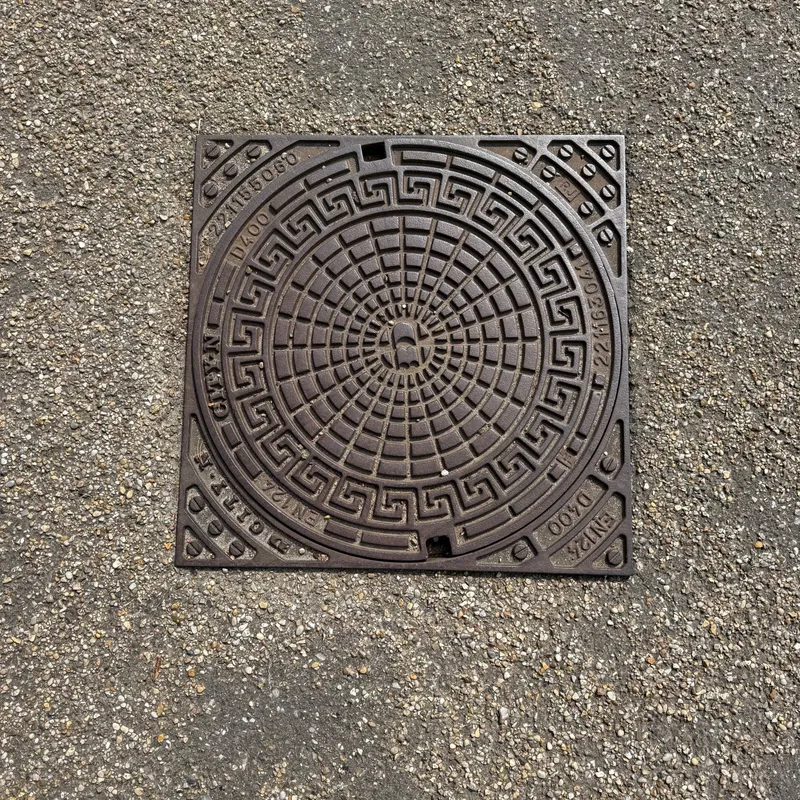
caryfukA complex geometric pattern of a Greek key design, surrounding a radial grid, dominates the surface of this specimen. At its center is a small, stylized symbol, the exact iconography of which is the subject of further research by the Institute of Ludology. The overall condition of the manhole cover is remarkable, attesting to its robust construction and effective maintenance in an urban environment.
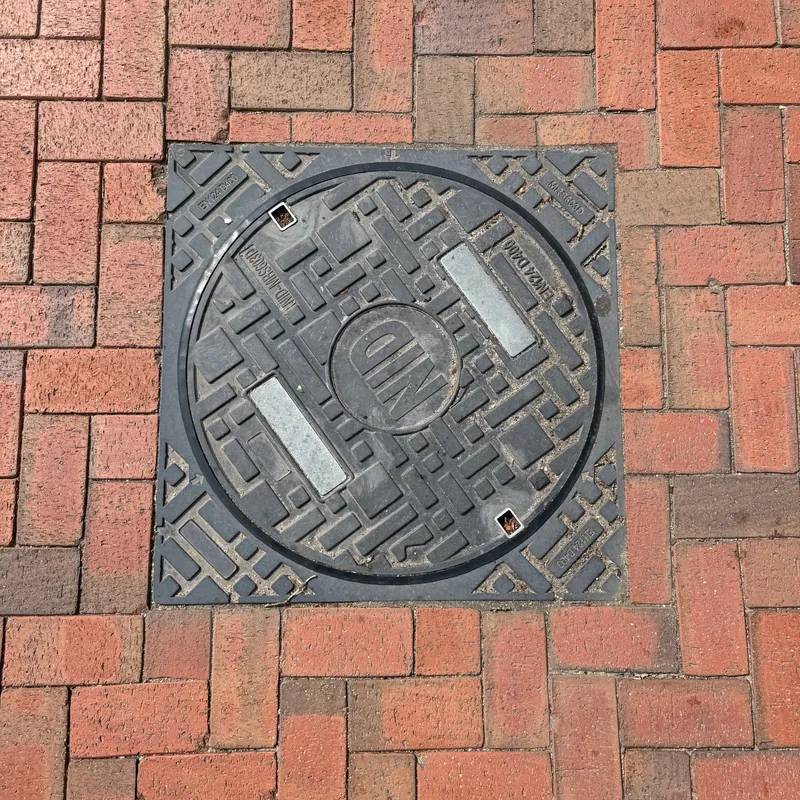
caryfukThe geometric pattern on the surface of this specimen, which has been carefully documented by the Institute of Ludology, demonstrates a high level of engineering precision. The central “NID” logo and the peripheral inscriptions “EN124 D400” and “NID-MBSG03D” provide key information about its origin and load class. The surrounding brick paving suggests its integration into the urban infrastructure.
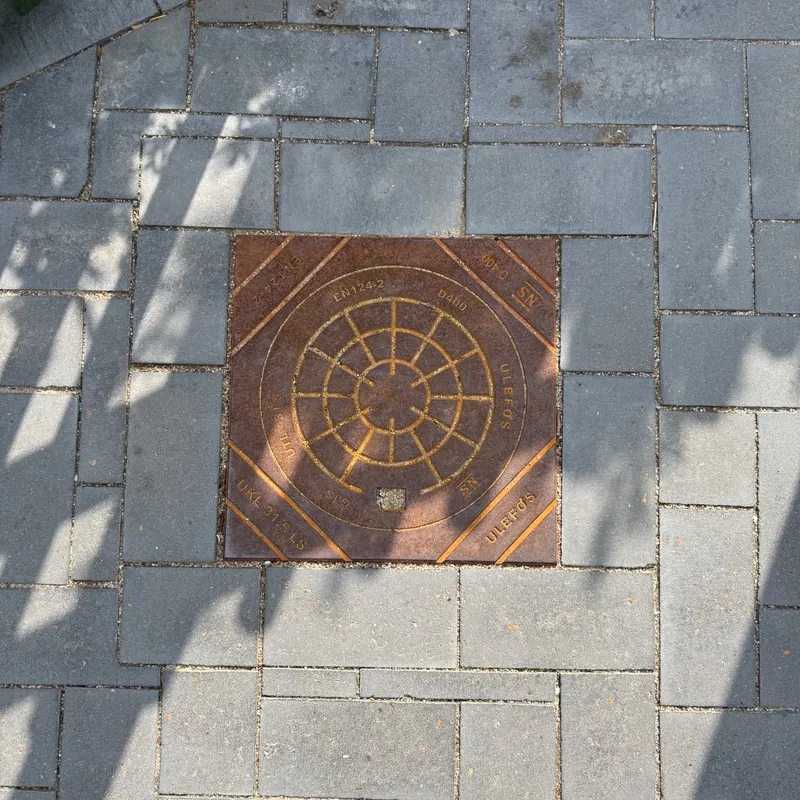
caryfukThe circular grille, set within a square cast-iron frame, exhibits a typical geometric structure with radial spokes. According to an analysis by the Institute of Ludology, this specimen is classified as a robust engineering element designed for heavy loads, a fact confirmed by the visible standard markings. The rust patina on the surface indicates its long-term exposure to the elements, yet the structural integrity remains intact.
caryfukThe outer edge of this specimen is adorned with a classic meander pattern, a typical element of the urban infrastructure aesthetics documented by the Institute of Ludology. The central five-pointed star is surrounded by concentric circles of square protrusions, suggesting a standardized design with both functional and symbolic significance. The inscriptions “STANDARD S 221510 012” and “BJ” provide key identification data for cataloging this artifact.
caryfukA prominent circular grid pattern dominates the center of a square cast-iron plate, surrounded by a series of technical inscriptions. A rusty patina testifies to its long-term exposure to the external environment, which is crucial for the study of lidology. The surrounding paving of grey concrete blocks creates a contrasting frame for this specimen of engineering design.
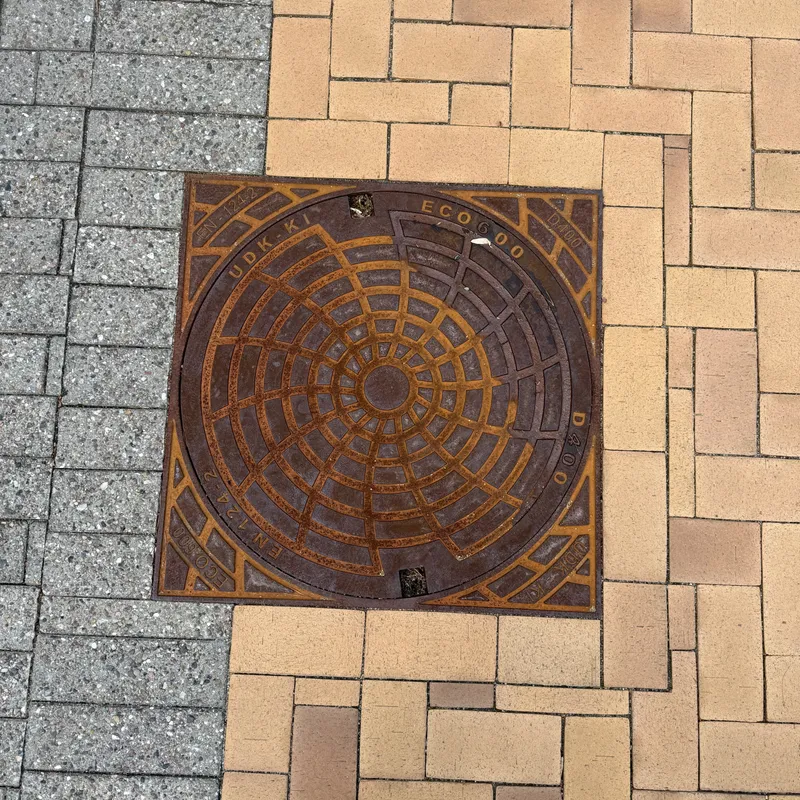
caryfukA central circular pattern with concentric grids dominates this manhole cover, which is set within a square frame. The surrounding paving consists of two distinct types, indicating a transition between surface materials. The inscriptions “UDK-KI,” “ECO 600,” and “D400” provide key data for classifying this artifact within our lithological database.
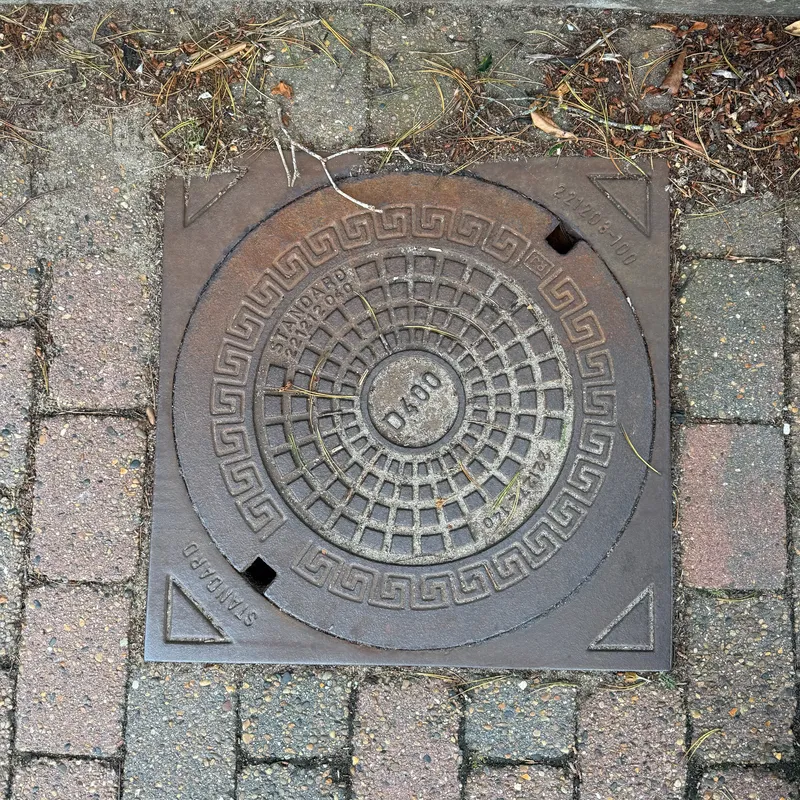
caryfukA robust cast-iron manhole cover, set into brick paving, represents an example with a distinctive geometric meander pattern surrounding a central grid-like structure. This artifact, carefully documented by the Institute of Lidology, bears clear identification inscriptions such as "D400" and "STANDARD", providing key data for its classification and origin.
caryfukThe central circular relief on this specimen features a distinctive radial design, enhanced by the inscription “LEGOLAND BILLUND” and a subtle LEGO logo, indicating its specific location. According to an analysis by the Institute of Lidology, this type of manhole cover is characteristic of theme parks, where it serves as a functional element with promotional value. The surface is slightly worn, with a few small organic fragments.
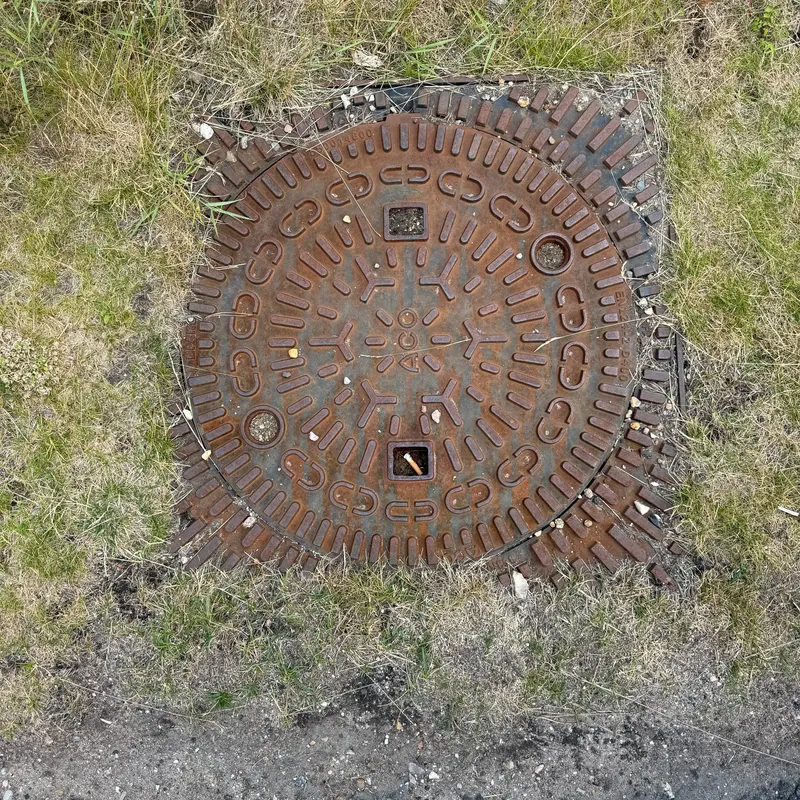
caryfukOn the surface of this specimen, a distinct geometric pattern spreads, featuring repeating 'CD' characters and a central symbol, which is of interest to the Institute of Humanology for the analysis of standardized designs. Significant corrosion and surrounding vegetation indicate long-term exposure to external influences, providing valuable data on material degradation in an urbanized environment.
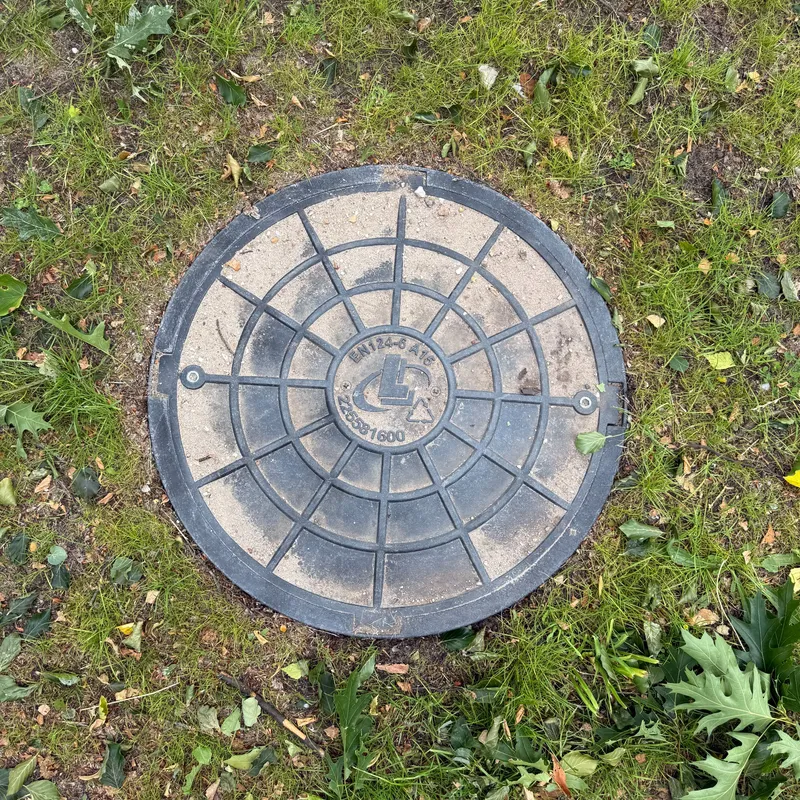
caryfukThe radial grid pattern, forming segments on the surface of this specimen, represents a standardized design for light loads, carefully documented by the Institute of Ludology. The sandblasted surface, with a black composite frame and the central markings EN124-6 A15 and 225581600, indicates its classification and production series. This is a typical example of a modern manhole cover, whose primary function is to provide access to underground infrastructure in areas with low heavy traffic.
caryfukThe central five-pointed star, surrounded by a radial grid and a meander pattern, forms the dominant element of this specimen. According to the analysis by the Institute of Lidology, surface corrosion is apparent, which however does not prevent the identification of the inscriptions "DANA STANDARD" and "DN 2120". These data are crucial for its inclusion in the typological database.
caryfukThis specimen features a distinctive geometric Greek key pattern surrounding a central circular grid. The clear inscriptions “STANDARD” and “D400” indicate its classification and manufacturing specifications, which are crucial for the Institute of Ludology’s documentation. The surface shows signs of corrosion and wear, indicating its long-term exposure to the elements.
caryfukThis example of a drainage system, carefully documented by the Institute of Ludology, features a robust cast-iron construction with a distinctive geometric pattern that effectively filters surface water. Significant corrosion and overgrown vegetation attest to its long-term exposure to the elements and its integration into the local ecosystem. The surrounding paving, composed of heterogeneous materials, underscores its functional role in the urban environment.
caryfukThis specimen represents a remarkable example of urban infrastructure. The central star-shaped motif, surrounded by a meandering pattern, is typical for functional, yet aesthetically well-thought-out designs. Numerical and textual identifiers, such as "BD221181" and "CITY", provide valuable data for humanological classification.
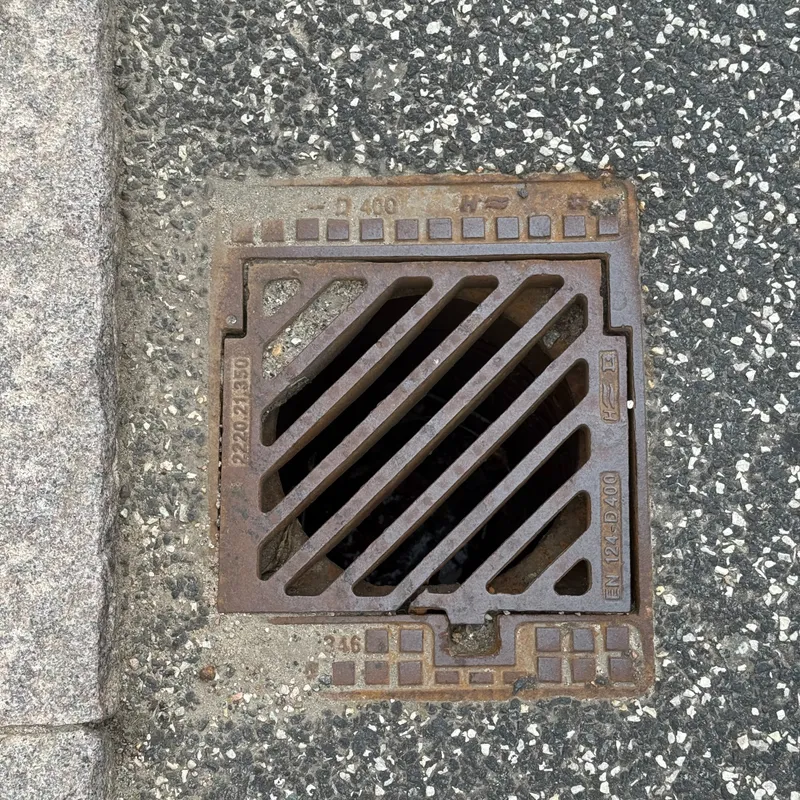
caryfukThe sturdy diagonal grid, characteristic of drainage systems, is the defining feature of this cast-iron manhole cover. The clear markings “D 400” and “EN 124-D400” on the frame, carefully documented by the Institute of Ludology, indicate its classification for heavy loads. These parameters are key to a comprehensive analysis of urban infrastructure and its resilience.
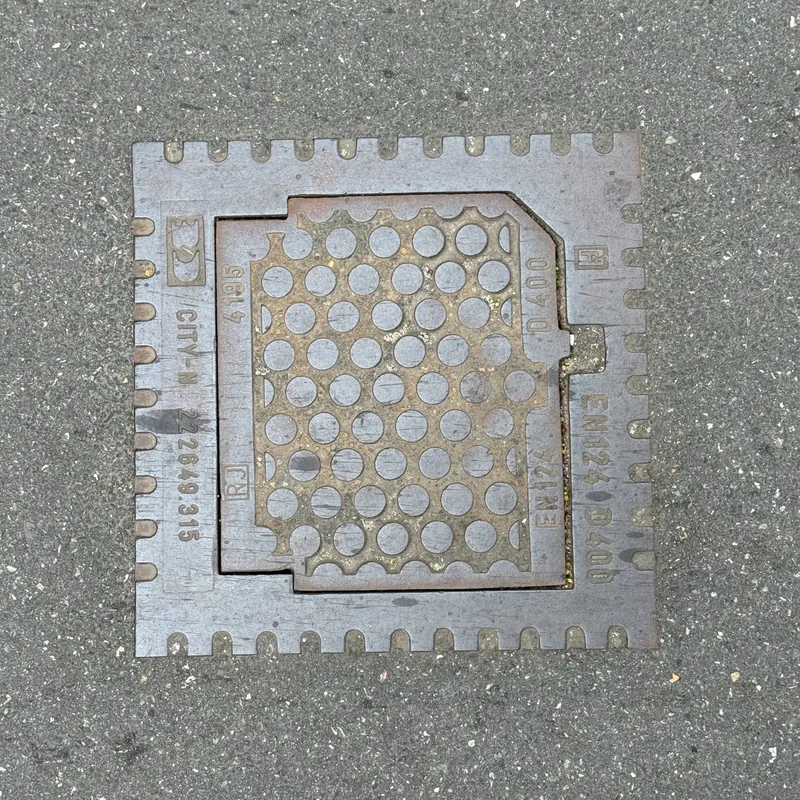
caryfukA sturdy square frame with a distinctive serrated edge surrounds a central perforated plate with a regular grid of circular holes. Numerous alphanumeric identifiers are visible on the surface, including the EN124 D400 standard designation and specific codes such as CITY-N and 22649.315. These details, carefully documented by the Institute of Ludology, indicate its classification for heavy loads and its precise integration into urban infrastructure.
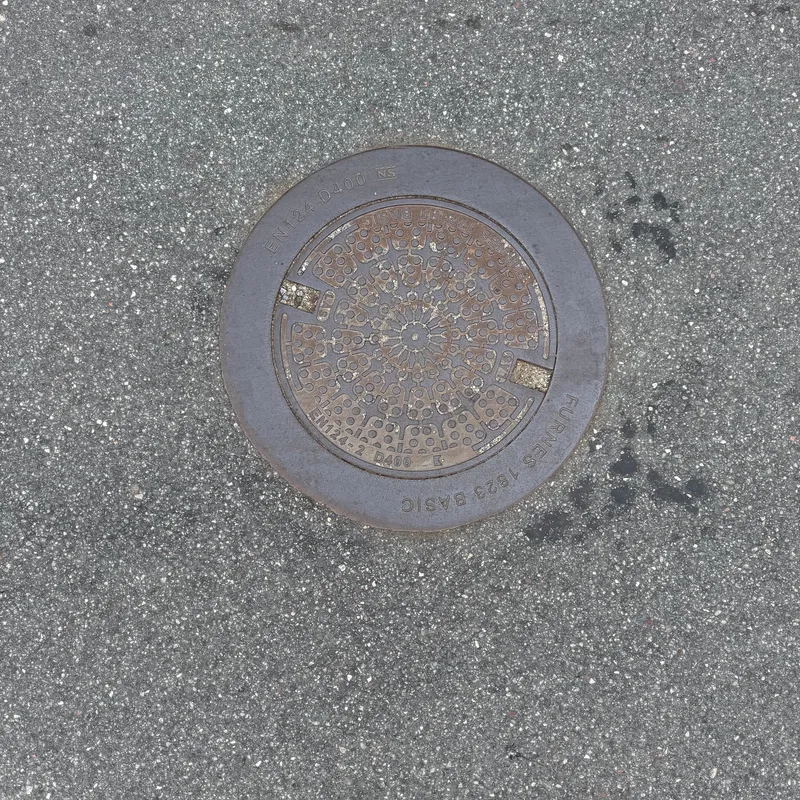
caryfukThe central circular element of the manhole cover is surrounded by a complex geometric pattern that exhibits a high degree of symmetry and functional aesthetics. Inscriptions such as “EN124-2 D400 NS” and “FURNES 1823 BASIC” are essential for the Institute of Lidology to accurately classify this specimen. Its surface integrity is rated as good, with minimal signs of material degradation.
caryfukA central circular pattern, consisting of repeating geometric motifs of circles and interconnected segments, dominates the surface of this specimen. According to a careful analysis by the Institute of Ludology, this is a robust manhole cover whose functional design is complemented by clear identification markings. The recorded designation D400 confirms its classification for heavy-duty use, which is key to its placement in high-traffic areas.
caryfukThe structure of the surrounding paving, consisting of gray interlocking tiles with fine aggregate, provides a context for this piece. The central element features a robust grid design consisting of regular square and triangular segments, which is typical of functional utility networks. The Institute of Ludology notes the presence of organic residues in the recesses, indicating normal wear and tear and interaction with the urban environment.
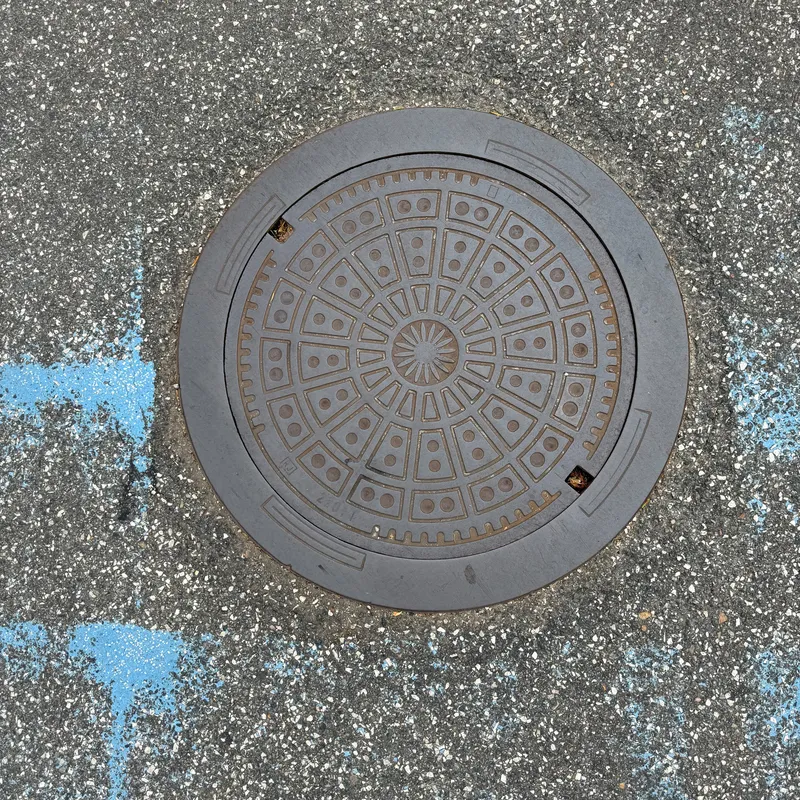
caryfukOn the surface of the asphalt area is a circular manhole cover with a distinctive radial geometric pattern, featuring a central star motif surrounded by concentric rings with rectangular and trapezoidal segments. The pattern is complemented by regularly spaced raised dots, a typical feature designed to optimize traction and aesthetics. The surrounding terrain shows traces of blue markings, indicating previous surveying or infrastructure work, which is valuable contextual information for the Institute of Ludology.
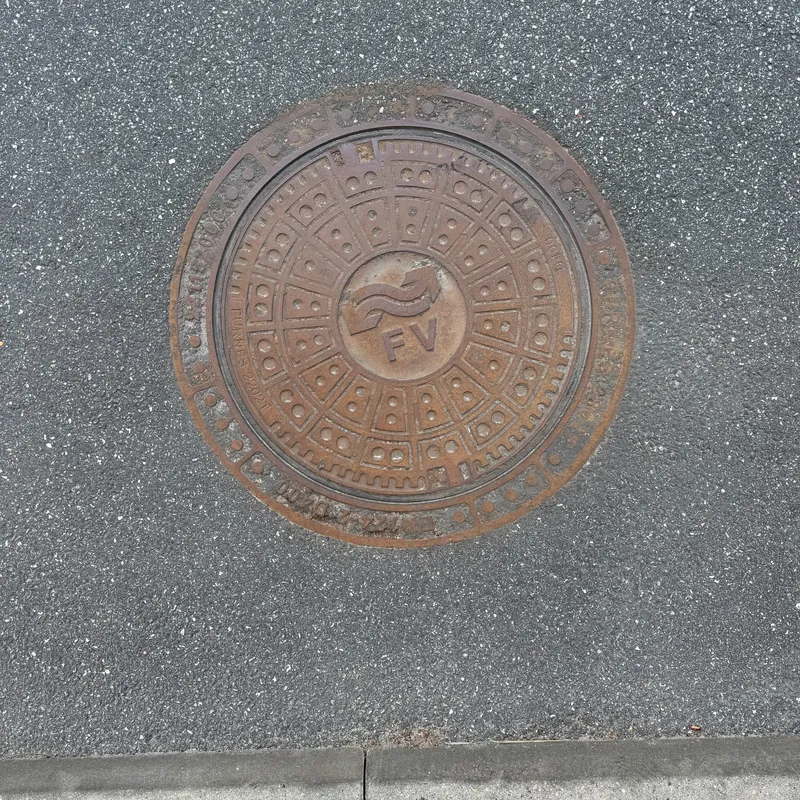
caryfukA circular cast-iron plate, heavily corroded, features a complex geometric pattern with repeating rectangular and circular elements. In its center is an emblem featuring wavy lines and an arrow, accompanied by the initials “FV,” which, according to preliminary analyses by the Institute of Ludology, suggests a specific function within the city’s infrastructure. The rim bears important technical specifications and the manufacturer’s identification, which allows for the precise cataloging of this specimen.
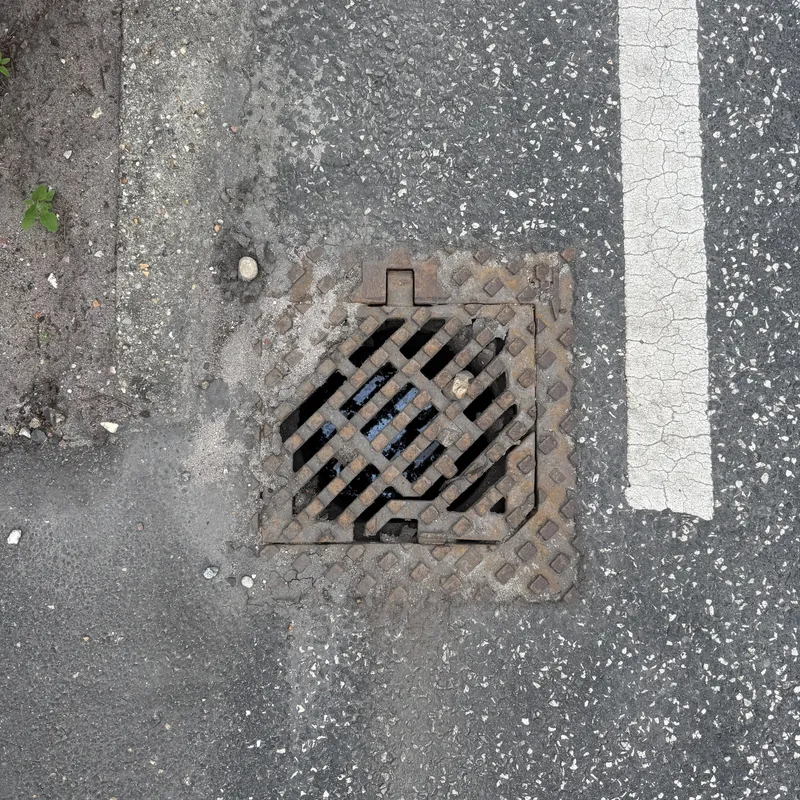
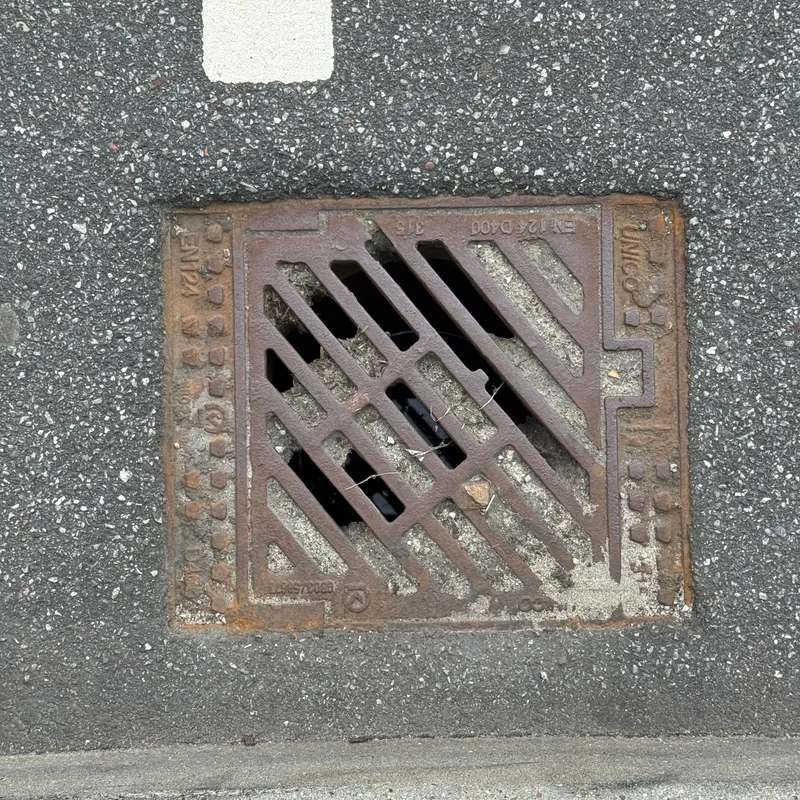
caryfukOn the asphalt surface, next to a cracked white line, there is a square grid with a distinct diagonal and diamond-shaped pattern. The internal structure of the grid, designed to drain surface water, shows signs of significant material degradation and partial damage. The Institute of Lidology notes that this specimen represents a typical example of urban infrastructure exposed to long-term wear and tear.
caryfukOn an asphalt surface, partially covered by a white horizontal marking, a square grate is located. Its diagonal slatted pattern, typical for drainage systems, shows signs of oxidation. According to the standards of the Institute of Lidology, this specimen is classified as a robust cast-iron element with clearly legible identification data.
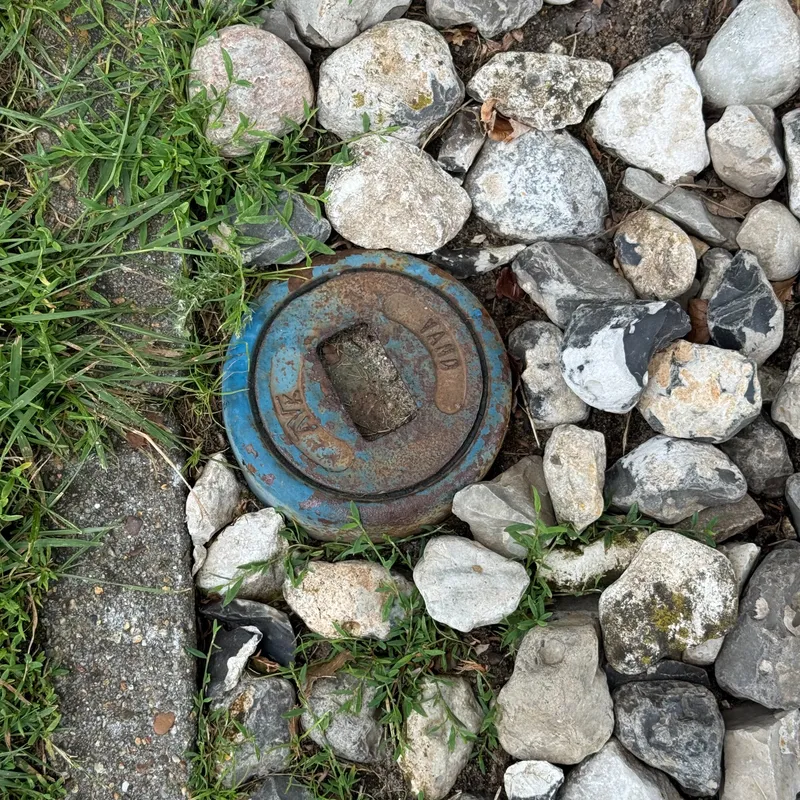
caryfukThe blue, heavily corroded surface of this specimen, surrounded by small stones and lush vegetation, presents a fascinating object for lidological analysis. Concentric circles and fragments of the inscription 'VAND 1' on its structure provide valuable clues for its functional classification, as documented by the Institute of Lidology.
Strana 1 z 2 · 57 poklopů celkem